LLC ITIN Number vs EIN: What I Tell Founders Who Think They Need Both

Tousif Akram
IRS CAA | Founder, FormLLC
When founders ask me about llc itin number vs ein, I often find that they assume every US LLC owner needs two tax identification numbers: an EIN for the company and an ITIN for themselves. I remember working with a founder who had already paid for help with an ITIN application before we reviewed what he actually needed. His assumption was straightforward: if he owned a US LLC, he needed both numbers.
But that is not always the case. Before spending money on another application, it is worth understanding what each number does, why it may be required, and whether your situation actually calls for both.
LLC ITIN Number vs EIN: What Is the Difference?
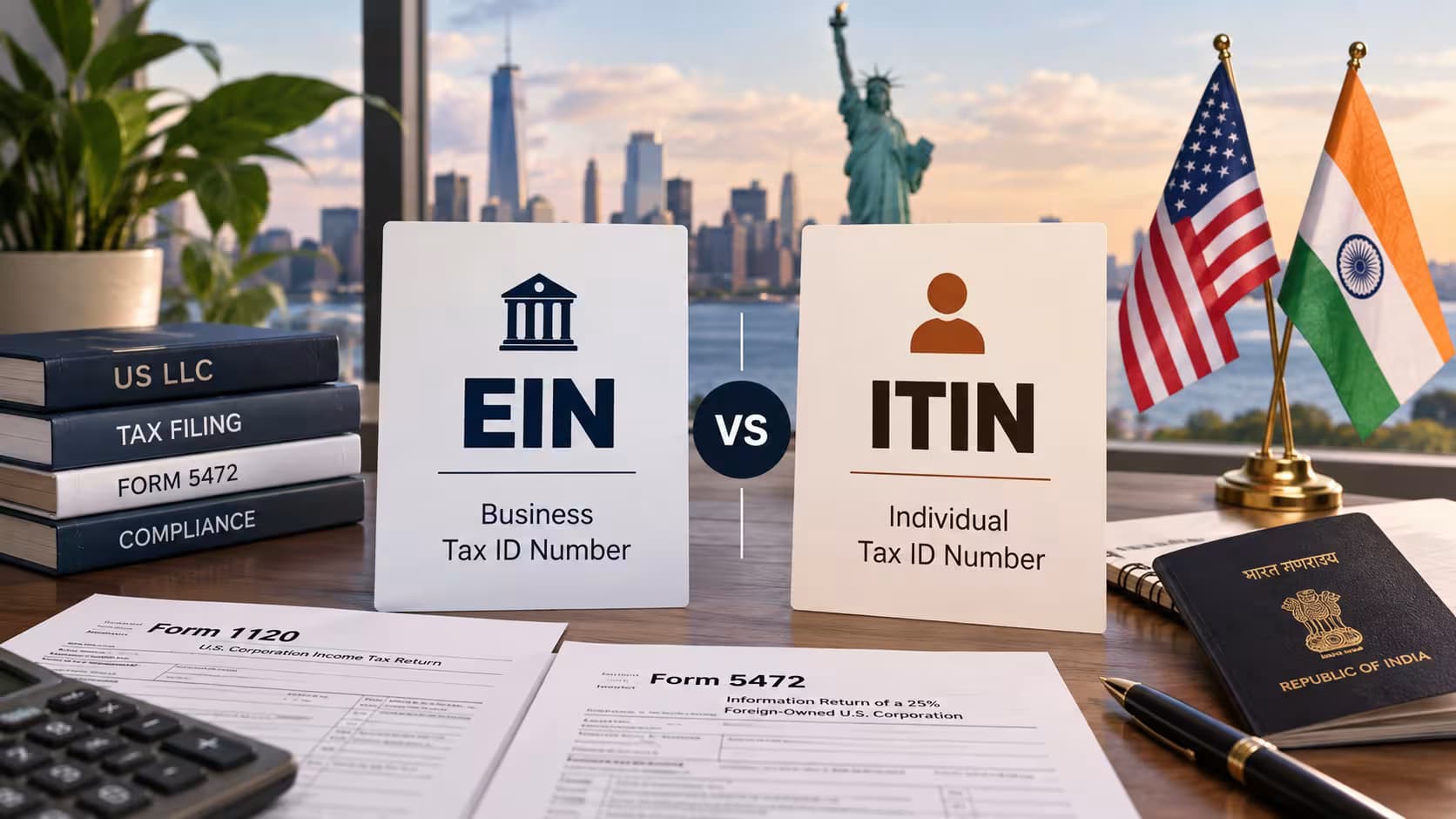
The easiest way to understand llc itin number vs ein is to look at who each number identifies. Although both are used for US federal tax purposes, they serve different functions and are not automatically required together.
An EIN (Employer Identification Number) is a federal tax identification number assigned to a business or other eligible entity. Foreign entrepreneurs commonly use an EIN for business tax reporting, banking applications, and other business-related requirements.
An ITIN (Individual Taxpayer Identification Number) is issued by the IRS to an individual who needs a US taxpayer identification number for federal tax purposes but is not eligible for a Social Security number. It identifies the individual, not the LLC. An ITIN does not authorize someone to work in the United States or change their immigration status.
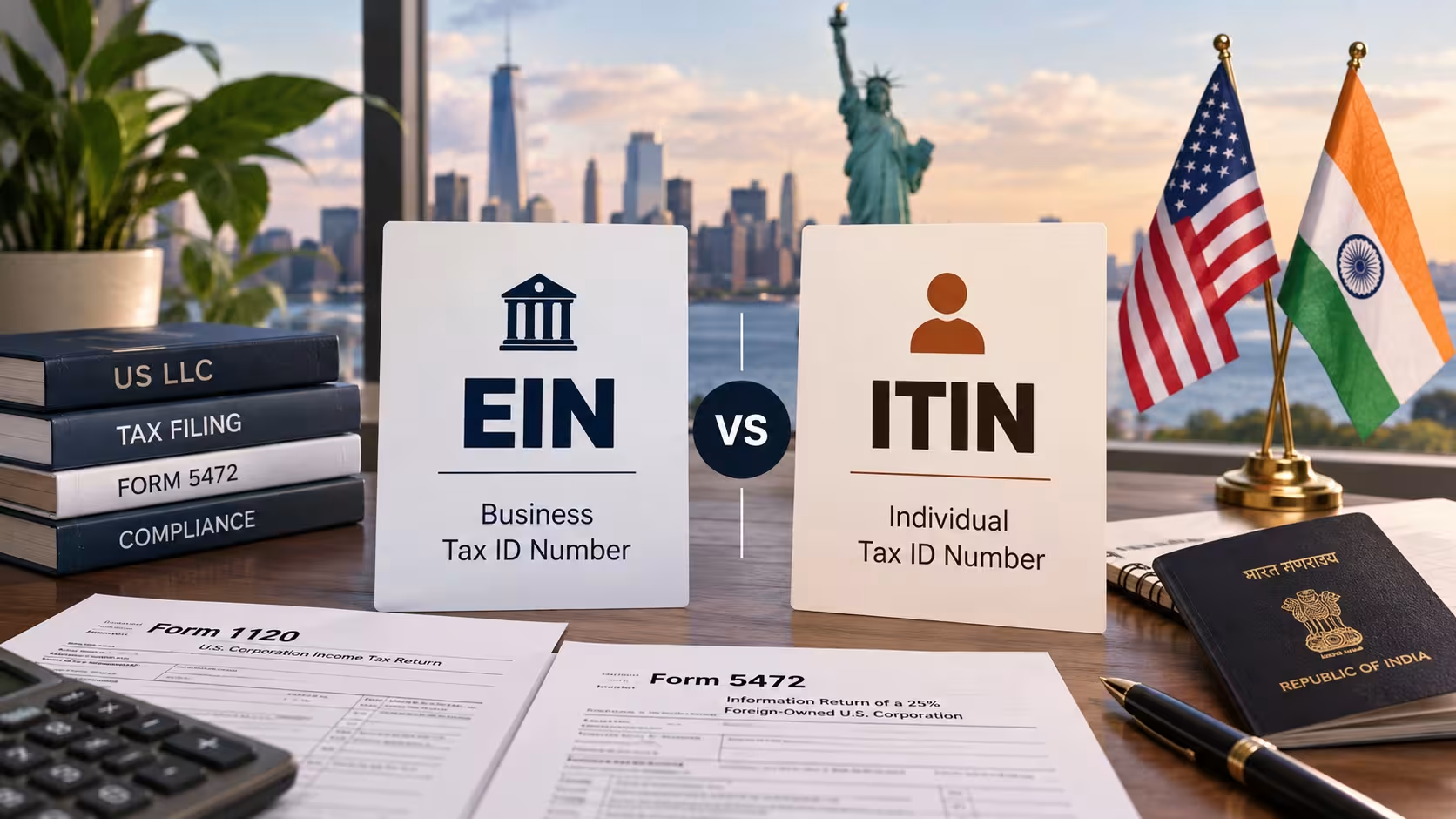
In simple terms, your LLC’s EIN identifies the business, while your ITIN identifies you as an individual for certain federal tax purposes. Having an EIN does not automatically mean you need an ITIN, and having an ITIN does not replace the LLC’s EIN. For the official rules, review the IRS guidance on taxpayer identification numbers and ITIN eligibility.
Do You Need an ITIN to Get an EIN for a Foreign-Owned LLC?
This is where many non-US founders become confused. In many cases, a foreign owner can obtain an EIN for a US LLC without first obtaining an ITIN. The EIN application process does not mean every foreign business owner must apply for an individual tax identification number first.
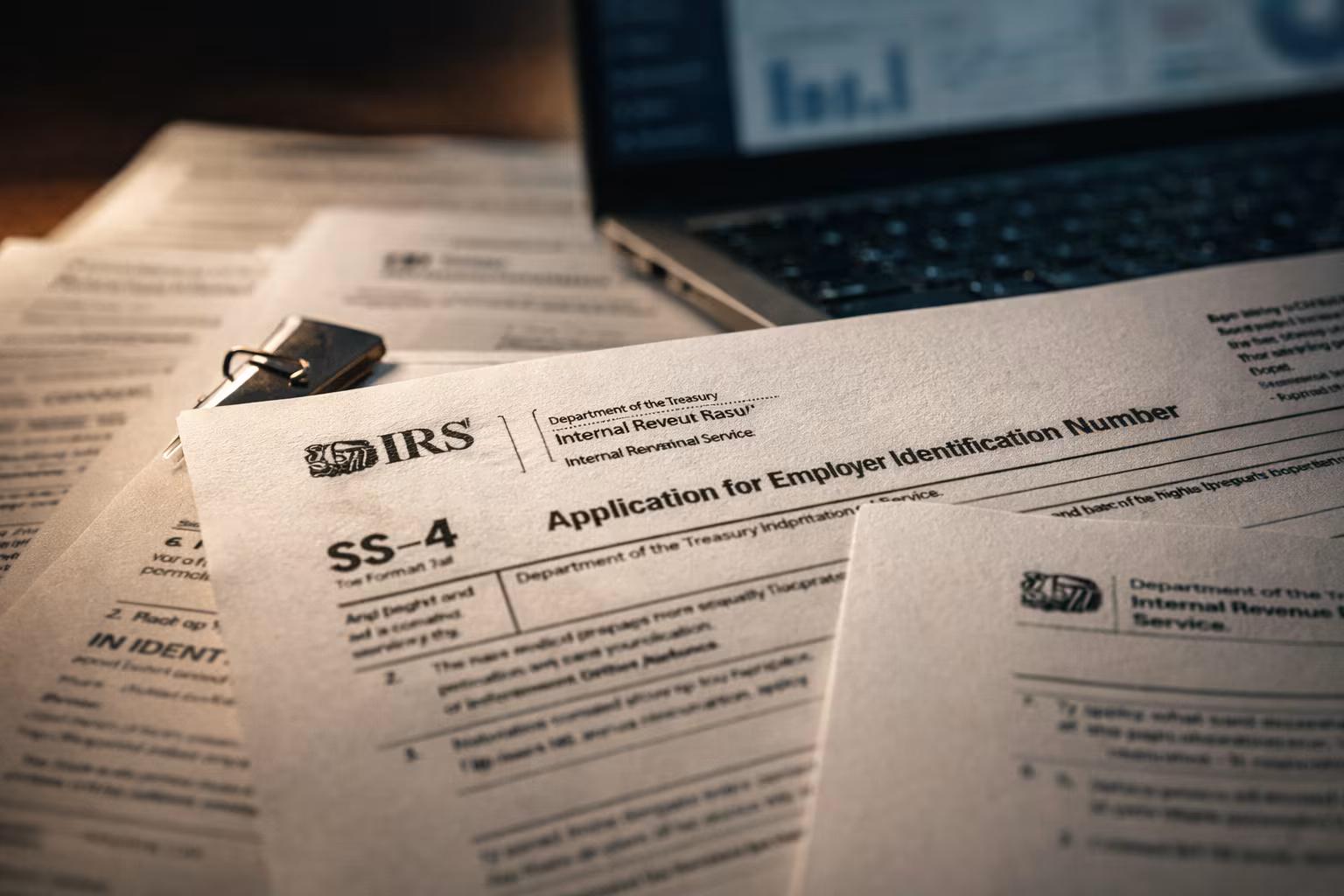
The IRS instructions for Form SS-4, which is used to apply for an EIN, explain what applicants should do when the responsible party does not have and is ineligible to obtain an SSN or ITIN. The correct entry and application method depend on the circumstances, so follow the current IRS Form SS-4 instructions.
That is why I encourage founders to confirm the actual requirement before paying for additional services. If your immediate goal is to obtain an EIN for your foreign-owned LLC, an ITIN application may not be necessary for that step. You can also read my guide on how to get an EIN without an SSN as a non-resident to understand the process in more detail.
What Should You Prepare Before Applying for an EIN?
Before starting the application, confirm your LLC’s legal name, formation details, responsible-party information, and the information requested by the IRS. The correct process can depend on where you are located, whether you have a qualifying US identification number, and how you submit the application.
Avoid applying for an ITIN solely because you assume it is a prerequisite for an EIN. Instead, follow the requirements that apply to your particular situation.
When Might You Actually Need an ITIN?
An ITIN can still be important when you have a separate personal US tax requirement. For example, a nonresident individual who must file a US individual income tax return, such as Form 1040-NR, may need an ITIN if they are not eligible for an SSN. An ITIN may also be relevant in other situations where the IRS requires an individual taxpayer identification number.
The important distinction is that forming a US LLC does not, by itself, mean every foreign owner must apply for an ITIN. Whether you need one depends on your personal tax circumstances and the specific purpose for which the number is required.
Similarly, a foreign-owned single-member LLC may have a Form 5472 reporting obligation with a pro forma Form 1120 when the applicable requirements are met. That business reporting obligation is separate from whether the owner personally needs an ITIN. The LLC’s tax classification, reportable transactions, and the owner’s circumstances all matter.
If you want to understand this requirement in more detail, read my guide to Form 5472 for foreign-owned US LLCs. If you are still planning your company setup, my US LLC guide for non-residents explains how formation, EIN applications, and ongoing compliance fit together.
EIN vs ITIN for an LLC: Common Mistakes to Avoid
One common mistake is assuming that every foreign LLC owner needs both numbers immediately. Another is confusing the company’s tax obligations with the owner’s personal tax obligations. These are related issues, but they are not the same requirement.
Founders should also avoid applying for an ITIN without understanding why it is needed. An application can involve paperwork, supporting documents, and processing time, so it is better to identify the specific tax purpose before beginning. At the same time, do not ignore an ITIN requirement if your individual tax circumstances make one necessary.
Another point worth remembering is that an EIN does not guarantee approval for a US business bank account. Financial institutions set their own identification and onboarding requirements and may ask for additional personal or company documents.
The best approach is to confirm what the IRS requires for your particular situation rather than relying on a general rule that every international founder must obtain both numbers.
My Advice Before You Pay for Both
When a founder asks me about EIN vs ITIN for an LLC, I start with a simple question: what are you trying to accomplish right now? Are you applying for the company’s EIN, meeting a business filing requirement, or preparing a personal tax return? The answer helps determine which identification number is relevant.
My advice is to establish the LLC’s requirements first, confirm whether you need an EIN, and assess any personal tax filing obligations separately. The IRS does not charge an application fee for the ITIN itself, although a tax professional or acceptance agent may charge for assistance.
Helping founders avoid unnecessary steps is just as important as helping them complete the required ones. A US LLC can create opportunities for international entrepreneurs, but you should not pay for a tax application simply because someone tells you that every founder needs both numbers.
Understand the purpose first, confirm the requirement, and then take the right step for your situation.
Frequently Asked Questions
Can a non-US resident get an EIN without an ITIN?
In many cases, yes. A foreign LLC owner may be able to apply for an EIN without first obtaining an ITIN. The correct procedure depends on the applicant’s circumstances, so review the current IRS Form SS-4 instructions before applying.
Is an EIN the same as an ITIN?
No. An EIN identifies a business or other eligible entity, while an ITIN identifies an individual who needs a US taxpayer identification number for federal tax purposes and is not eligible for an SSN. One number does not automatically replace the other.
Does every foreign-owned US LLC owner need an ITIN?
No. LLC ownership alone does not mean every foreign owner must obtain an ITIN. The requirement depends on the individual’s tax situation and whether an ITIN is needed for a specific federal tax purpose.
Can I open a US business bank account with an EIN only?
An EIN is commonly requested for business banking, but each financial institution sets its own onboarding and identification requirements. Some may ask for additional personal identification or documentation, so confirm the requirements with the bank you plan to use.
Should I apply for an ITIN before forming my LLC?
Not necessarily. Forming an LLC, obtaining its EIN, and determining whether you have a personal US tax filing obligation are separate steps. Identify the purpose for which you need an ITIN before applying.
Final Thoughts
The difference between an EIN and an ITIN is straightforward once you separate the business’s identification needs from your personal tax requirements. For many international founders, the sensible approach is to understand the EIN process first and then determine whether their individual circumstances require an ITIN.
Every situation is different, especially when a foreign-owned LLC has US business activity, reportable transactions, or other federal filing obligations. Confirm the relevant requirements before applying, and seek qualified tax advice when your circumstances are unclear.
*This article is for general educational purposes only and is not individualized legal or tax advice. Your requirements depend on your LLC’s tax classification, activities, and personal circumstances.*
This article is for general informational purposes only and does not constitute legal, tax, or financial advice. Tousif Akram and FormLLC are not a law firm or CPA firm. Consult a licensed professional for advice specific to your situation.
Ready to Form Your US LLC?
Free 30-minute consultation with no obligation and no sales pressure.
Book Free Call