Hiring Mistakes: Lessons That Changed How I Build a Team

Tousif Akram
IRS CAA | Founder, FormLLC
The Hiring Mistake That Changed How I Think About Building a Team
Hiring mistakes can change the way a founder thinks about building a team. When you're building a business, hiring your first few people is rarely just a business decision. You're trusting someone with a part of something you've spent a lot of time creating. You want people who understand your vision, take responsibility, and genuinely care about their work. At an early stage, every person you bring into the business can influence how your operations develop and how customers experience your service.
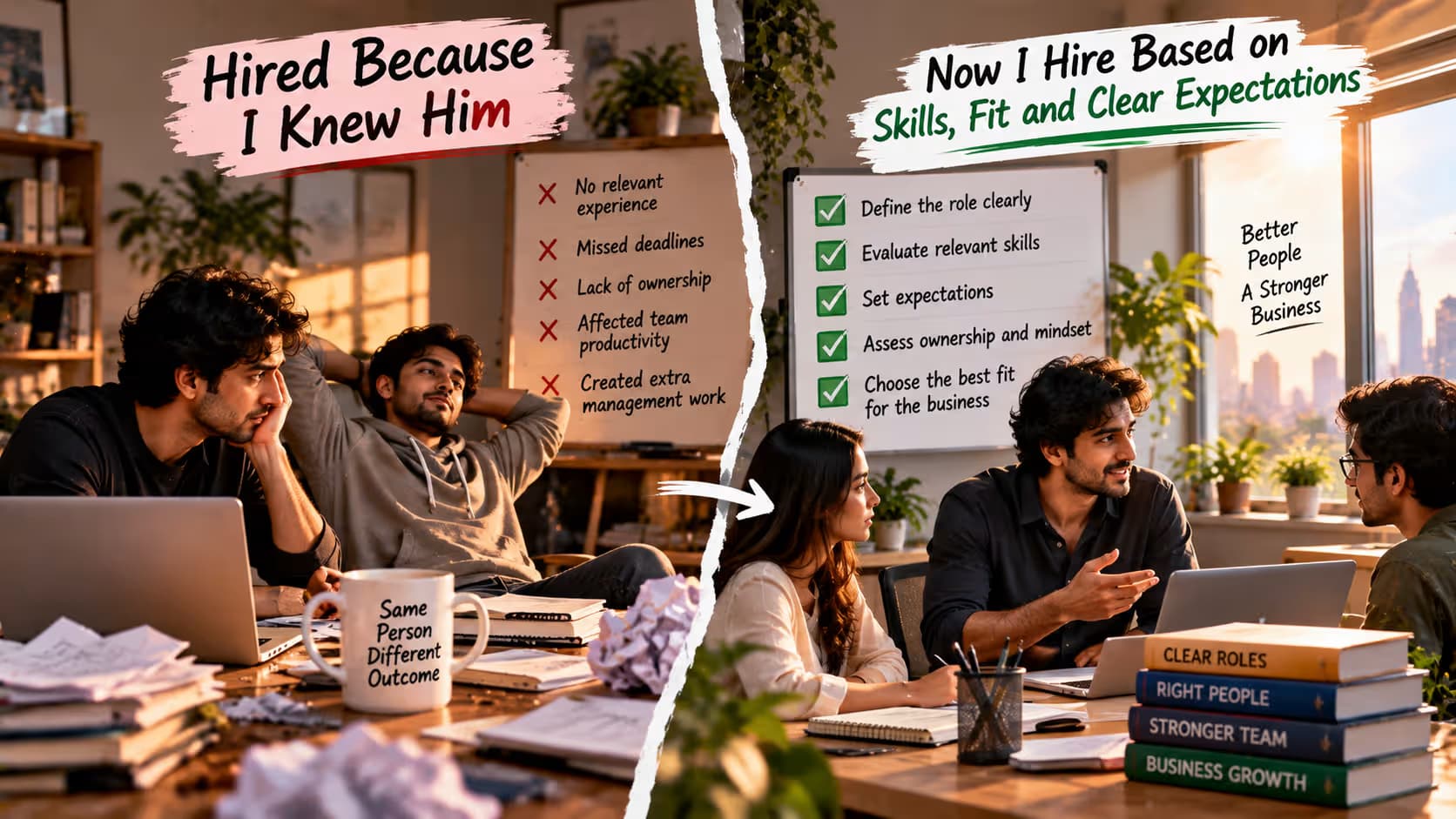
I learned this through a hiring decision that didn't go the way I expected. I made the mistake of allowing familiarity to influence a decision that should have been based much more carefully on the needs of the business. I knew the person, and that familiarity made the decision feel comfortable. But I eventually understood that knowing someone personally and knowing how they will perform in a professional role are two very different things.
It was a lesson I didn't want to learn through experience, but it changed how I approach hiring, leadership, and building a team at FormLLC. More importantly, it taught me that a good hiring decision needs more than personal trust. It requires clear expectations, relevant skills, and an understanding of what the business actually needs.
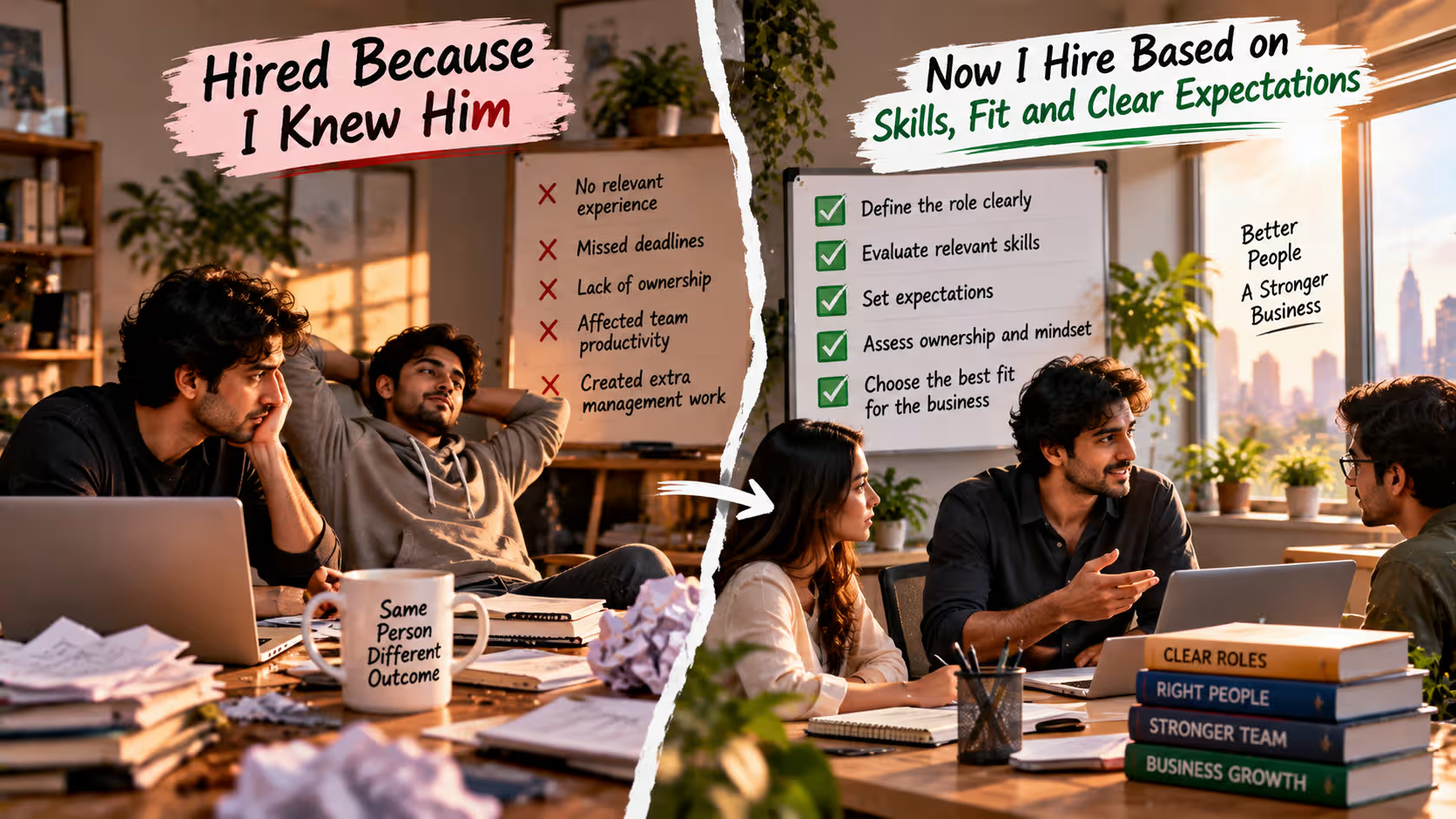
How Hiring Mistakes Happen When Familiarity Influences Decisions
When you hire someone you already know, there is a natural level of comfort. You may feel that communication will be easier, trust will come naturally, and working together will be straightforward. You might also assume that because you understand the person's character, you already have a good idea of how they will approach their responsibilities.
But a professional relationship is different from a personal one. A business role comes with responsibilities, expectations, deadlines, and accountability. Someone can be a good person and still not be the right fit for a particular position. Similarly, a friendly relationship doesn't automatically translate into the skills, ownership, or consistency a growing business requires.
Looking back, I realised that I should have evaluated the role and the person's ability to fulfil it separately from my existing relationship with them. Instead of asking whether I felt comfortable working with that person, I should have spent more time understanding whether they had the experience, attitude, and ability required for the position.
One of the most common hiring mistakes founders can make is allowing personal familiarity to influence a professional decision. Knowing someone may create initial trust, but it doesn't tell you whether they have the skills, experience, and working approach required for the role. Evaluating candidates against the actual needs of the business helps founders make more considered hiring decisions.
Personal Trust Is Not the Same as Professional Fit
Trust matters when building a team, but professional suitability needs to be evaluated separately. A person may be dependable in their personal life but struggle with the demands of a particular job. Another candidate may be less familiar but have the exact experience and working approach the business needs.
This is why founders should avoid allowing personal relationships, recommendations, or first impressions to replace a proper evaluation. The important question is not simply whether you know someone or like working with them. It is whether they can take responsibility for the work and contribute to the business in a meaningful way.
How One Hiring Decision Can Affect the Entire Business
One thing founders sometimes underestimate is how much a hiring decision affects the rest of the business. When a role isn't working as expected, the consequences don't stay limited to that position. Other team members may need to take on additional work, communication can become more difficult, and important tasks may take longer than planned.
The founder can also end up spending more time managing problems instead of focusing on customers, operations, and growth. In a small business, every person's contribution matters because there are fewer layers between an individual decision and the overall operation. One person's performance can influence how smoothly several parts of the business function.
I began to see hiring less as filling an empty position and more as deciding who would become responsible for a part of the business. That means the decision deserves more thought than simply choosing someone who feels familiar or available.
Hiring Is About Responsibility, Not Just Filling a Position
Before bringing someone into a team, founders should understand exactly what the position involves. What tasks will the person handle? Which decisions will they be responsible for? How much independence will they need? What should improve once the position is filled?
When these questions are not answered clearly, it becomes difficult for both the founder and the employee to understand whether the arrangement is working. A well-defined role helps everyone understand what is expected and reduces the chance of confusion later.
What I Changed After Learning From Hiring Mistakes
The biggest change in my thinking was learning to separate personal trust from professional expectations. Today, I believe a founder should be clear about what a role requires before deciding who should fill it.
What work will this person own? What does success look like? What level of independence is expected? How will performance be evaluated?
These questions should be considered regardless of whether the candidate is a stranger, a referral, or someone the founder already knows. A consistent process makes it easier to compare candidates based on relevant abilities rather than personal comfort.
I also believe expectations should be discussed openly from the beginning. People should understand their responsibilities, how decisions are made, how communication works, and what accountability looks like. Clear expectations are not a sign of mistrust. They help both the business and the person working in it.
Define the Role Before Choosing the Person
A better hiring process starts with understanding the actual business need. Founders should write down the responsibilities, required skills, expected outcomes, and level of ownership associated with the position. This makes it easier to identify what kind of person the business needs instead of adjusting the role around someone they already want to hire.
It also creates a clearer and more consistent conversation with candidates. Everyone can be assessed against the same basic expectations, and the person joining the team has a better understanding of what the job involves.
Building a Team Sometimes Requires Difficult Conversations
As a founder, you naturally want to maintain good relationships with people. But building a company also means accepting that not every working relationship will turn into the right professional fit. That can be uncomfortable, especially when you already know the person or have a personal connection with them.
Still, avoiding a difficult conversation doesn't necessarily protect the relationship or the business. When expectations are unclear or responsibilities are not being fulfilled, addressing the issue early gives everyone a better understanding of where things stand. It is important to communicate respectfully, focus on specific work-related concerns, and avoid allowing personal feelings to make the situation harder than it needs to be.
I don't believe one hiring mistake defines a founder or a company. What matters is whether you recognise what went wrong and improve the way you make decisions afterward. Every experience can help you become more thoughtful about the people you bring into your business and the working environment you create.
Accountability Should Be Part of the Working Relationship
A healthy team needs more than good intentions. People should understand what they are responsible for, have the support needed to do their work, and be willing to take ownership of their commitments. Founders also have a responsibility to provide clear direction and communicate when expectations are not being met.
This kind of accountability helps create a professional environment where people understand how their work contributes to the wider business. It also makes it easier to identify problems before they affect other parts of the operation.
Lessons From Hiring Mistakes: Building a Stronger Team
I still believe trust is essential when building a team. But I no longer think trust should be the only foundation of a hiring decision. A strong team needs the right skills, clear responsibilities, mutual respect, and accountability. Personal familiarity can be a starting point for a conversation, but it should never be a substitute for understanding whether someone is suited to the role.
That experience changed how I think about hiring at FormLLC. I became more conscious of the difference between choosing someone because I know them and choosing someone because I understand what they can contribute. It also reinforced something important about running a service business: the people behind the operation influence the experience customers receive.
As I explain in my experience building a global business from India, starting and growing a company can change your responsibilities as a founder. When you begin hiring, your decisions affect more than your own work. They also influence the people who depend on the business for their careers and livelihoods.
When a company serves entrepreneurs from different countries, the customer experience depends on more than the service itself. Customers need clear information, reliable communication, and an understanding of what happens after they make a decision. I've discussed this broader responsibility in what helping 5,000 entrepreneurs taught me about starting a global business.
My perspective on building a team has also changed as the business has grown. In my journey from Bihar to global entrepreneurship, I discuss how hiring people changed my understanding of leadership and the responsibility that comes with building a company.
Building a business is not just about finding good people. It is about creating the right working relationships, with the right expectations, so everyone can do their best work. That requires founders to be thoughtful about who they hire, how they define responsibilities, and how they respond when something isn't working.
A team should be built on trust, but hiring decisions should be built on clarity.
This article is for general informational purposes only and does not constitute legal, tax, or financial advice. Tousif Akram and FormLLC are not a law firm or CPA firm. Consult a licensed professional for advice specific to your situation.
Ready to Form Your US LLC?
Free 30-minute consultation with no obligation and no sales pressure.
Book Free Call