Non Resident US LLC Tax Filing: What My Indian Clients Act File Every Year

Tousif Akram
IRS CAA | Founder, FormLLC
Non Resident US LLC Tax Filing: What My Indian Clients Actually File Every Year
When Indian entrepreneurs contact me about setting up a US LLC, most of their questions are about company formation, getting an EIN, opening a US business bank account, or receiving payments from international customers. But after the company is formed, another question becomes just as important: What do I need to file every year?
Through my work helping international entrepreneurs with US company formation and compliance, I have learned that non resident us llc tax filing is one of the areas founders most often misunderstand. Some believe they only need to file something if their LLC makes a profit. Others assume that paying their state's annual fee takes care of all their US obligations. Neither assumption is safe.

What Does Non Resident US LLC Tax Filing Involve?
The answer depends on how the LLC is taxed, whether it has one or multiple owners, its transactions, and the owner's US tax situation. For an Indian resident who owns a single-member US LLC that is wholly foreign-owned and treated as a disregarded entity for US federal tax purposes, several important requirements deserve attention.
Form 5472 With a Pro Forma Form 1120
Form 5472 with a pro forma Form 1120 is an important reporting requirement for certain foreign-owned US disregarded entities. Form 5472 reports specified transactions between the LLC and its foreign owner or other related parties. When the applicable requirements are met, the form is attached to a pro forma Form 1120, which serves as the accompanying filing.
This obligation can apply even when the business has no profit. However, the specific reporting requirements depend on the company's classification and transactions. Founders should not assume that zero income automatically means zero filing obligations.
The Owner's US Income Tax Return
Form 5472 is not the same as an individual income tax return. Depending on the owner's activities and income, a nonresident individual may also need to file Form 1040-NR.
For example, income effectively connected with a US trade or business can create a US tax filing obligation. However, simply owning a US LLC does not automatically mean every Indian owner must file Form 1040-NR or pay US income tax on all business revenue. The source and character of the income, business activities, and applicable tax rules all matter.
If you're unsure how your business activities affect your obligations, consult a qualified US tax professional experienced in international tax matters.
State-Level Annual Reports and Fees
State compliance is separate from federal IRS reporting. Depending on where the LLC is registered and where it does business, it may need to file an annual report, pay a state fee or franchise tax, maintain a registered agent, or meet other state requirements.
Completing Form 5472 does not replace a state annual report. Likewise, paying a state fee does not replace a required federal filing. I encourage founders to maintain separate checklists for state obligations and federal tax reporting.
If you're still planning your business structure, our US LLC formation guide for non-residents explains the formation process and the responsibilities that follow.
What If My US LLC Has No Income?
This is one of the most important questions I encourage founders to ask early. A company can have no sales and still have reporting obligations. Certain transactions involving the foreign owner, including contributions or payments made on the company's behalf, may be relevant when determining whether Form 5472 is required.
At the same time, not every foreign-owned LLC has the same filing requirements. A multi-member LLC, an LLC taxed as a corporation, and a single-member LLC treated as a disregarded entity can have different obligations. The correct approach is to confirm the company's tax classification and review its activities rather than copying another founder's tax checklist.
Why Owner Contributions and Business Expenses Matter
Founders should keep clear records of money contributed by the owner, expenses paid personally on behalf of the business, transfers, and other transactions involving related parties. These records can help determine which transactions may need to be reported.
Do not wait until tax season to reconstruct the company's financial activity. Maintaining organized records throughout the year makes it easier to assess reporting requirements and respond to questions from a tax professional.
How I Help Indian Entrepreneurs Prepare for Annual LLC Compliance
When I help founders think through their US LLC responsibilities, I encourage them to look beyond the formation certificate. Registering a company and obtaining an EIN are important steps, but they do not automatically complete every federal or state compliance requirement.
I recommend starting with three practical actions: confirm the LLC's federal tax classification, review the transactions that occurred during the year, and identify the federal and state filing requirements that may apply. Founders should also record relevant deadlines well before tax season.
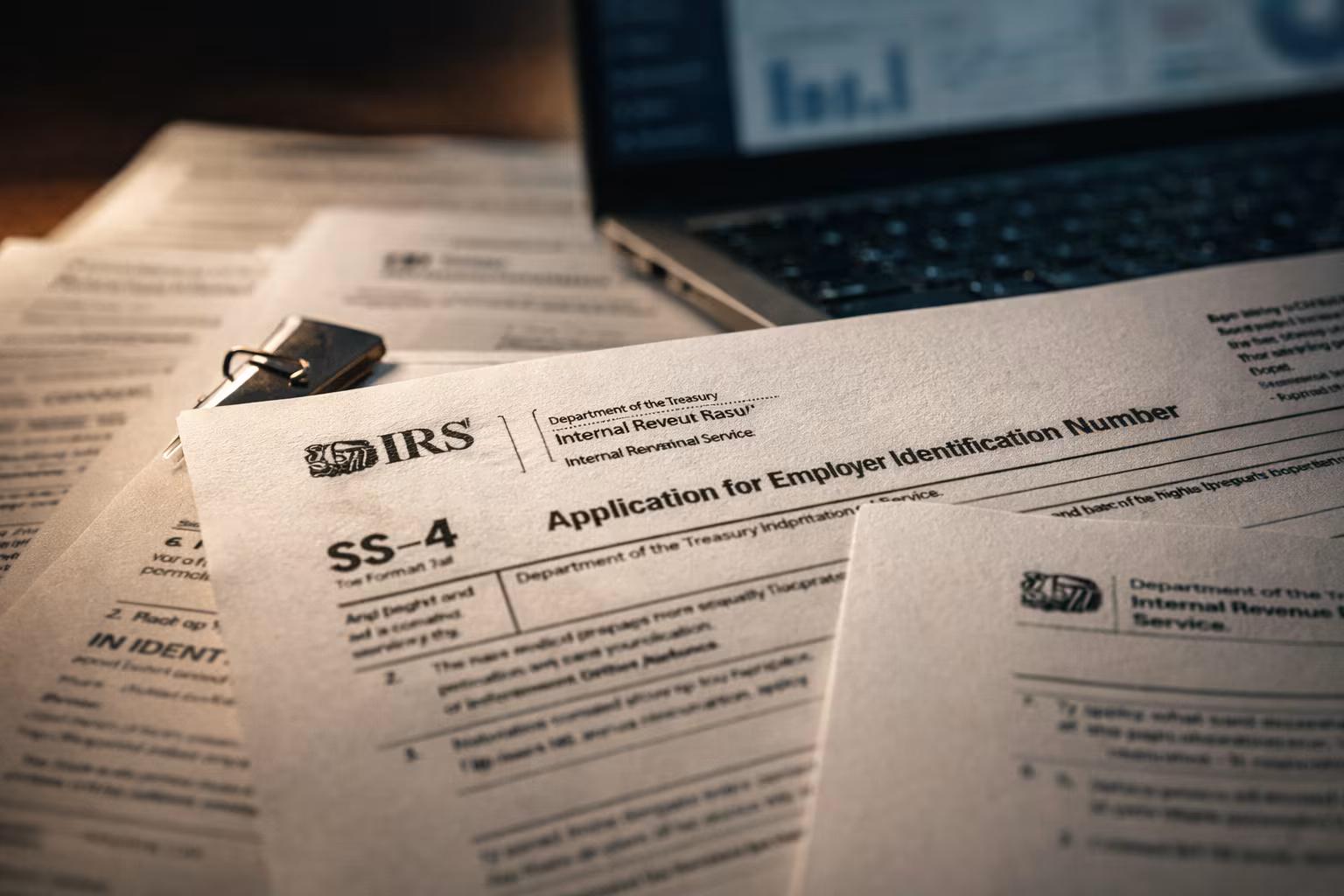
If you're applying for an EIN or trying to understand its role in your setup, our guide to getting a US EIN as a non-resident without an SSN explains the application process. Obtaining an EIN is separate from meeting the company's ongoing reporting obligations.
When Professional Tax Advice Is Important
I recommend seeking professional tax advice when a situation involves US business activity, multiple owners, corporate tax elections, related-party transactions, or uncertainty about reportable income and filing obligations.
The IRS can impose an initial $25,000 penalty for certain failures to file Form 5472 correctly and on time. Additional penalties may apply in certain circumstances. The potential consequences make it important to understand the requirements rather than guess.
A qualified tax professional can assess the LLC's classification, transactions, and circumstances to help determine which filings are required. This is especially important when the company operates across borders or the owner also has tax responsibilities in India.
Common Non Resident US LLC Tax Filing Mistakes to Avoid
One common mistake is assuming that an LLC with no profit has nothing to report. Another is confusing state annual fees with federal tax reporting. Founders can also overlook transactions between the company and its foreign owner or assume that obtaining an EIN completes every compliance requirement.
These mistakes can often be avoided by keeping accurate records, reviewing the LLC's tax classification, and checking the applicable IRS and state instructions before deadlines arrive.
Treat annual compliance as part of running your business, not as a task to consider only when the company starts making money.
My Advice to Indian Entrepreneurs: Plan for Compliance From Day One
For me, helping an entrepreneur establish a US company is only part of the process. Founders also need to understand what comes after formation, including reporting obligations, deadlines, recordkeeping, and the difference between state compliance and federal tax requirements.
If you are an Indian resident with a US LLC, approach non resident us llc tax filing as an annual compliance responsibility. Confirm your filing obligations, maintain accurate records, and get professional advice when the rules are unclear.
If you are still working through your initial setup, our guide to getting a US EIN without an SSN can help you understand the EIN process. You can also review our US LLC formation guide for non-residents for more information about establishing a US business.
It is much easier to build good habits early than to resolve a missed filing after an IRS notice arrives. A well-managed company is not just properly formed; it also understands and meets the obligations that apply to it.
Frequently Asked Questions
Do Indian Residents Have to File US Taxes for Their LLC Every Year?
The answer depends on the LLC's tax classification, ownership, transactions, and the owner's US tax situation. Certain foreign-owned disregarded entities may have Form 5472 reporting obligations, while an owner may have separate individual filing requirements depending on their circumstances.
Does a US LLC With No Income Need to File Form 5472?
An LLC with no revenue may still have reportable transactions. Whether Form 5472 is required depends on the entity's classification and the applicable reporting rules. Founders should review their transactions rather than assume that no income means no filing.
Is Form 5472 the Same as Form 1040-NR?
No. Form 5472 is an information return for certain reportable transactions involving a reporting corporation and related parties. Form 1040-NR is a US individual income tax return for certain nonresident individuals. The requirements for each form must be evaluated separately.
Are State Annual Fees Enough to Keep a US LLC Compliant?
No. State annual reports and fees are separate from federal IRS reporting. An LLC may need to meet both sets of obligations, depending on its circumstances.
What Is the Penalty for Failing to File Form 5472?
The initial penalty is generally $25,000 for certain failures to file Form 5472 as required. Additional penalties may apply. The specific consequences depend on the circumstances and applicable rules.
This article is for general informational purposes only and does not constitute legal, tax, or financial advice. Tousif Akram and FormLLC are not a law firm or CPA firm. Consult a licensed professional for advice specific to your situation.
Ready to Form Your US LLC?
Free 30-minute consultation with no obligation and no sales pressure.
Book Free Call