Questions Before Forming an LLC: What Every Founder Should Know

Tousif Akram
IRS CAA | Founder, FormLLC
Questions Before Forming an LLC: What Founders Should Know
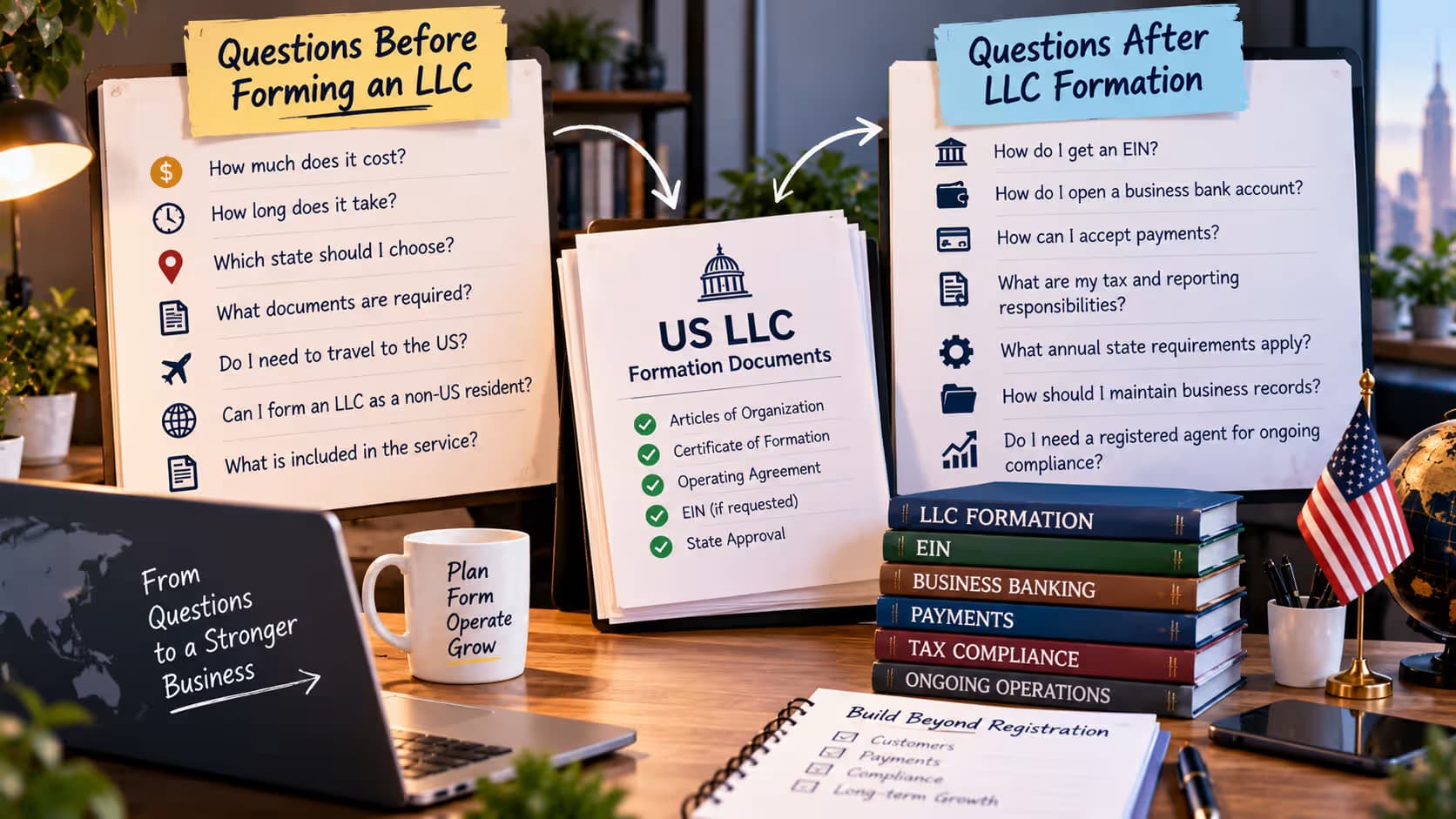
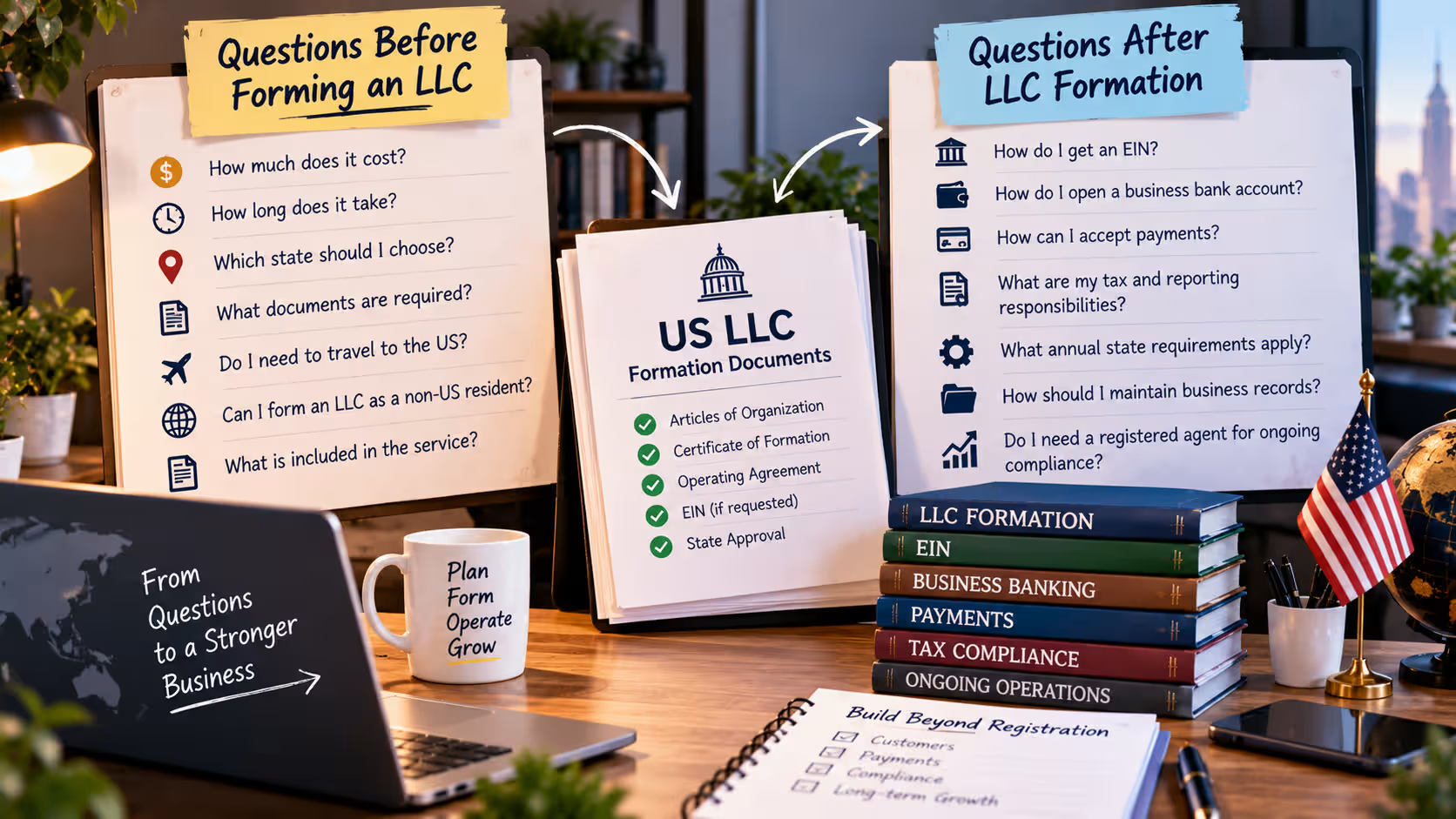
One thing I have noticed while building FormLLC is that the questions before forming an LLC are often very different from the questions founders ask after registration. Before getting started, most conversations focus on formation costs, timelines, choosing the right state, and understanding whether someone can establish a US company while living outside the United States.
These are completely reasonable questions. When you are starting something new, especially in a country where you may not live or have previous business experience, you want clarity before making a financial commitment. You want to understand what you are paying for, which documents you will receive, and how long the process might take.
However, after helping thousands of international entrepreneurs establish US companies, I have noticed something interesting: the real questions often begin after the formation documents arrive. Once the company exists, founders start thinking about banking, payments, tax responsibilities, and the practical steps involved in running their businesses.
This difference has changed how I think about company formation. I believe founders should understand not only how to register an LLC but also what comes after registration.
Questions Before Forming an LLC: What Founders Want to Know
In the beginning, most conversations revolve around getting started. Founders ask whether Wyoming is suitable, whether they need to travel to the United States, which documents are required, how long formation takes, and whether they can receive an Employer Identification Number (EIN) as non-US residents.
For many international entrepreneurs, the US business system is unfamiliar. They may be freelancers, agency owners, software developers, consultants, or ecommerce entrepreneurs who want to serve customers in international markets. Establishing a US company can be an important step in their business plans, but they first need to understand the process.
At this stage, the main concern is removing the first obstacle. Founders want a legitimate, understandable, and affordable way to establish their companies without unnecessary complications. They also want to know exactly what is included in the service and whether there are additional expenses they should prepare for.
I believe service providers have a responsibility here. They should explain the formation process honestly, make pricing transparent, and avoid promising outcomes that depend on banks, government agencies, or other third parties. A founder should be able to make an informed decision without feeling pressured by unrealistic expectations.
After LLC Formation, the Questions Become More Practical
Once the LLC is registered, the founder's priorities begin to change. The conversation is no longer only about receiving formation documents. Instead, it becomes about making the company operational and understanding the responsibilities that come with owning a US business.
Questions about obtaining an EIN, opening a business bank account, accepting international payments, maintaining company records, and meeting annual state requirements become much more important. Founders also start asking about their federal tax and reporting responsibilities as non-US owners.
This is where some entrepreneurs realize that forming a company and operating a company are two different things. Receiving an LLC approval document does not automatically mean every other part of the business is ready.
For example, an LLC does not guarantee approval from a bank or payment processor. Financial institutions and payment providers have their own eligibility, documentation, and verification requirements. Similarly, being a non-US resident does not automatically remove US tax or reporting responsibilities. Certain foreign-owned US single-member LLCs may have specific IRS reporting obligations depending on their classification and transactions.
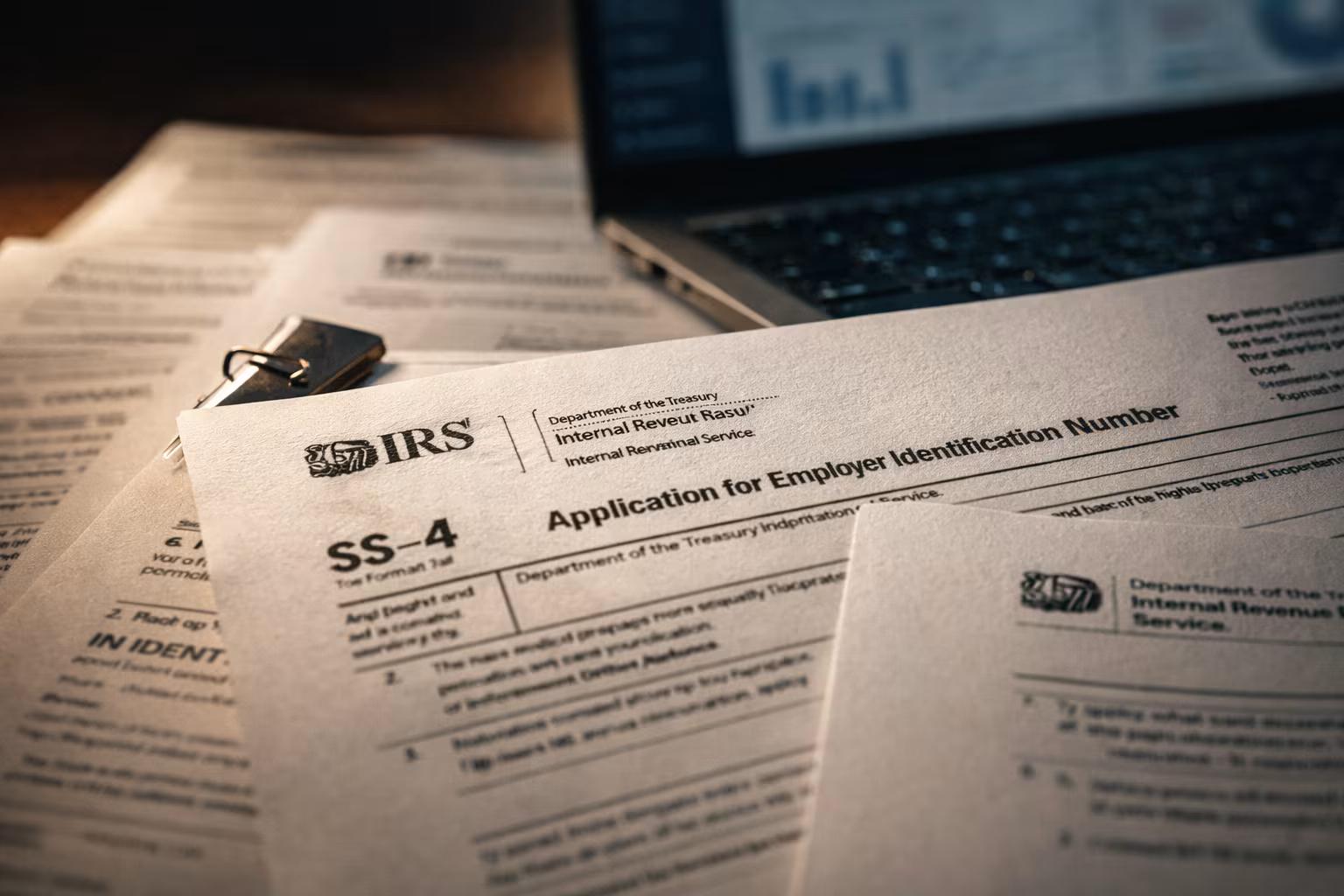
These details are important because founders need to plan for them before problems arise. Our guide on getting an EIN without an SSN explains one of the important steps international entrepreneurs may need to understand after establishing a US company.
The Gap Between What Founders Expect and What They Actually Need
I don't think founders ask the wrong questions before buying. In many cases, they simply don't know which additional questions they should be asking because they are unfamiliar with the US business system.
Someone forming their first US company may not understand the difference between an EIN and an ITIN. They might assume that a registered agent takes care of every compliance responsibility or that receiving formation documents means the company is immediately ready for banking and payment processing.
This is understandable. Company formation involves several separate processes, and each has its own requirements. The formation service, registered agent, bank, payment processor, and tax professional may all have different responsibilities.
For example, a registered agent generally provides an official address for receiving certain legal and government correspondence. That does not automatically mean they handle federal tax filings, bookkeeping, or every annual compliance obligation.
The same applies to tax reporting. Certain foreign-owned LLCs may need to file Form 5472 with a pro forma Form 1120 when the applicable requirements are met. Understanding these responsibilities early can help founders avoid unexpected compliance issues.
This is why I believe education should be part of the company-formation experience. A founder should understand not only what they are purchasing today but also which decisions and responsibilities may follow.
What Thousands of Founder Conversations Have Taught Me About FormLLC
Over time, these conversations have influenced how I look at our work. I don't see company formation as simply completing a government filing and sending documents to a customer. The customer is trying to build a business, and the LLC is only one part of that journey.
A founder may need help understanding the next steps, identifying which services are separate, or recognizing when professional tax or legal advice is appropriate. Another founder may already have experience running a business and only need assistance with the registration process. Not everyone needs the same support, and not every business follows the same path.
That is why I believe setting realistic expectations matters so much. I would rather a founder understand the full picture before making a decision than discover important details only after paying for formation.
At FormLLC, our experience working with international entrepreneurs has shown me that clear information can make a meaningful difference. When founders understand the process, they can prepare better, ask more relevant questions, and make decisions based on their actual business requirements.
Important Questions to Ask Before Registering a US LLC
If you are planning to form a US company from outside the United States, don't stop at asking, "How much does it cost to register an LLC?" That question matters, but it is only the beginning.
You should also ask what will happen after registration. How will you obtain your EIN? What documents might a bank require? Which payment options are available for your business? What annual state obligations will apply? Will your company have federal tax filing or information reporting responsibilities? How should you maintain business records?
The answers will depend on your business model, ownership, activities, and the state where your company is registered. Understanding both state-level requirements and applicable federal reporting obligations can help you prepare for the responsibilities of running a US company.
If you are still comparing formation options, our US LLC guide for non-resident founders provides an overview of the process. You can also read our guide to Form 5472 for foreign-owned US LLCs to understand an important reporting requirement that may apply to certain foreign-owned businesses.
Thinking about these questions before registration can help you plan more realistically. You may not need every service immediately, but understanding your potential responsibilities gives you a clearer picture of what owning and operating a US company involves.
Company Formation Is the Beginning, Not the Destination
After years of working with international entrepreneurs, this is one lesson I keep coming back to: the formation document is not the destination. It is the beginning of a business journey.
Before registration, founders naturally focus on costs, timelines, and the documents they will receive. After registration, their attention moves towards operating the business, accepting payments, managing finances, and staying compliant.
Both stages matter, but the second stage deserves just as much attention as the first. A company should not simply exist on paper. It should have a clear purpose, a practical operating plan, and a founder who understands the responsibilities involved.
That is why I believe founders deserve to understand what comes after registration before they take the first step. My goal with FormLLC has always been to make the process clearer for international entrepreneurs and help them approach US company formation with realistic expectations.
I'm Tousif Akram, founder of FormLLC. Through my work with international entrepreneurs, I continue to learn that good company formation is about more than completing paperwork. It is about helping founders understand the decisions that support their businesses beyond registration.
This article is for general informational purposes only and does not constitute legal, tax, or financial advice. Tousif Akram and FormLLC are not a law firm or CPA firm. Consult a licensed professional for advice specific to your situation.
Ready to Form Your US LLC?
Free 30-minute consultation with no obligation and no sales pressure.
Book Free Call