A Day in My Inbox: 7 Real Questions About a US LLC for Non-Residents

Tousif Akram
IRS CAA | Founder, FormLLC
A Day in My Inbox: 7 Real Questions About a US LLC for Non-Residents
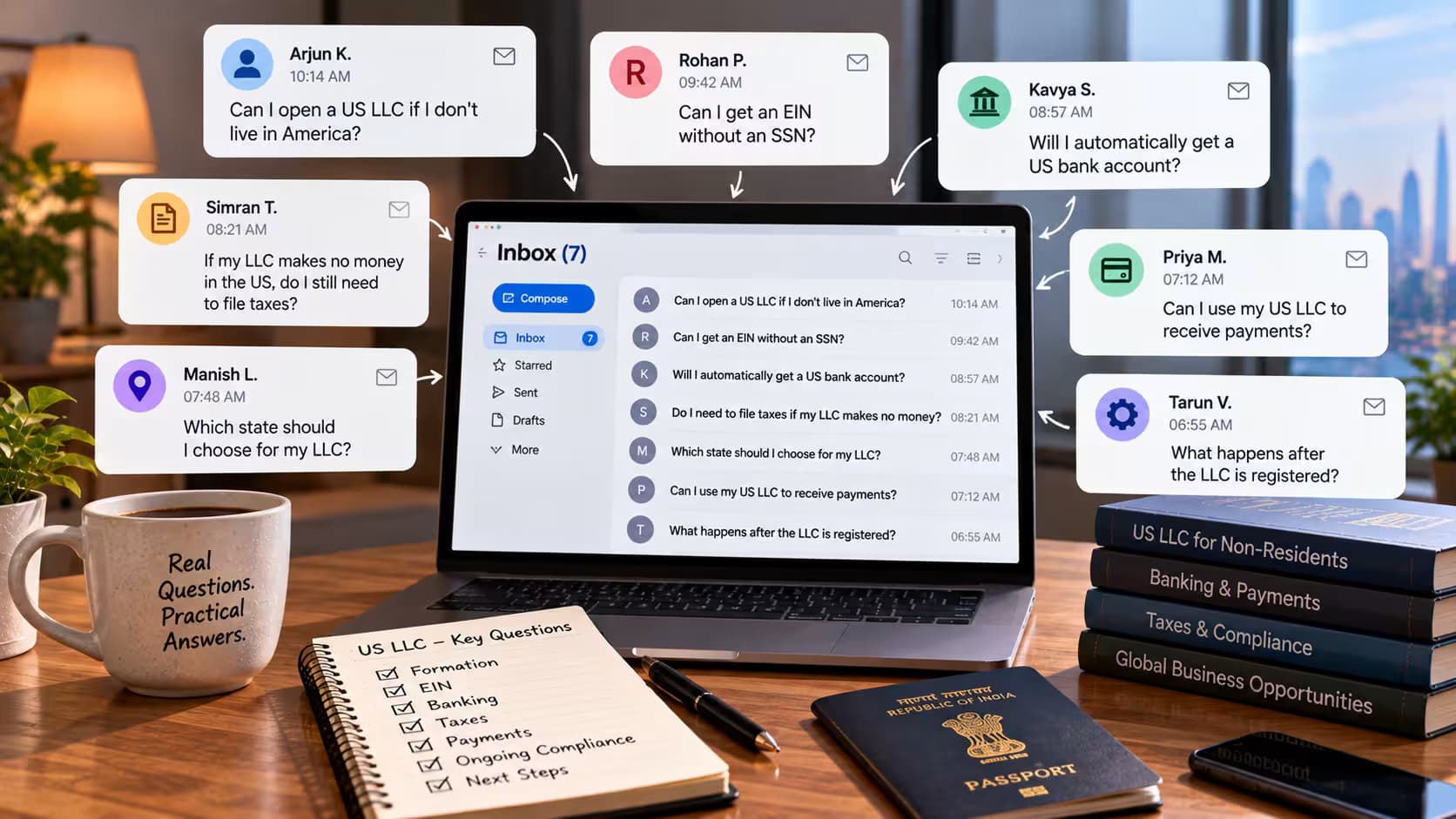
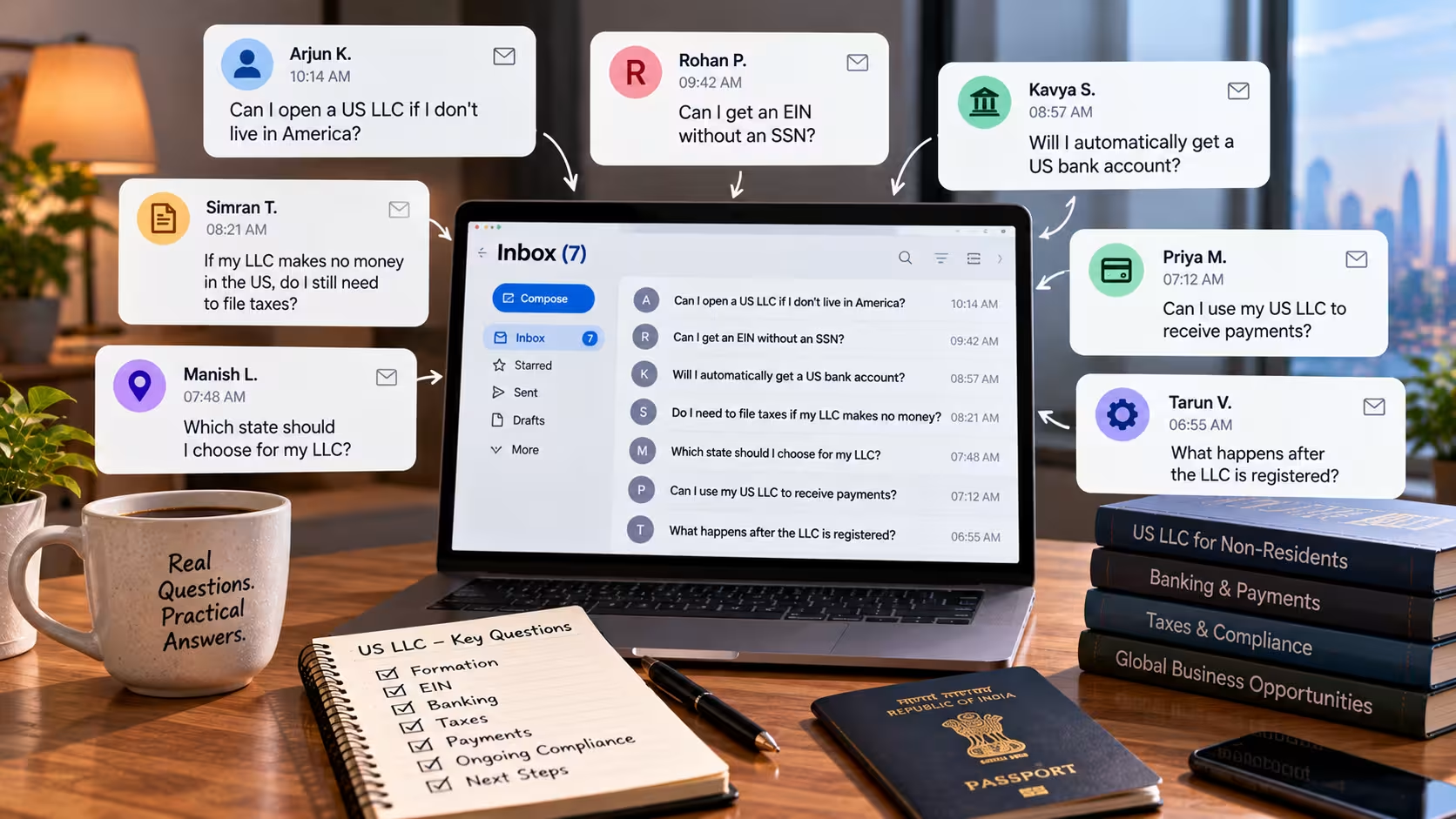
Most people who contact me about a US LLC for non-residents don't begin by asking about corporate structures or tax classifications. They ask practical questions: Can I open a company from my country? Will I get an EIN? Can I receive payments? And what happens after the LLC is registered?
After helping international founders through FormLLC, I've learned that forming a company is often the straightforward part. Understanding what comes next is where people need clearer answers. From choosing the right state to understanding ongoing compliance, each decision should connect to the founder's actual business goals.
The questions below are anonymised, reconstructed examples of recurring questions I've encountered—not verbatim customer messages. The answers reflect how I approach these conversations and why I encourage founders to understand the complete process before registering a company.
1. Can I Open a US LLC If I Don't Live in America?
In many cases, yes. You generally don't need to be a US citizen or resident to own a US LLC. However, forming a company and successfully operating it are two different things. Your choice of state, business activity, ownership structure, and home-country rules can all affect how you should approach the process.
For founders living in India, overseas investment and tax requirements deserve particular attention before money is transferred or a business structure is established. It's important to understand the responsibilities that apply in both the United States and your country of residence.
I tell people to start with their business model, not simply the state everyone on social media recommends. If you're still comparing your options, read this US LLC guide for non-residents to understand the main considerations before making a decision.
Start With Your Business Goals
Before choosing a state, clarify what you want the LLC to accomplish. You might need a company to invoice international clients, operate an online business, sell digital products, or prepare for future growth. Your goals should guide your decisions rather than a generic recommendation that may not fit your circumstances.
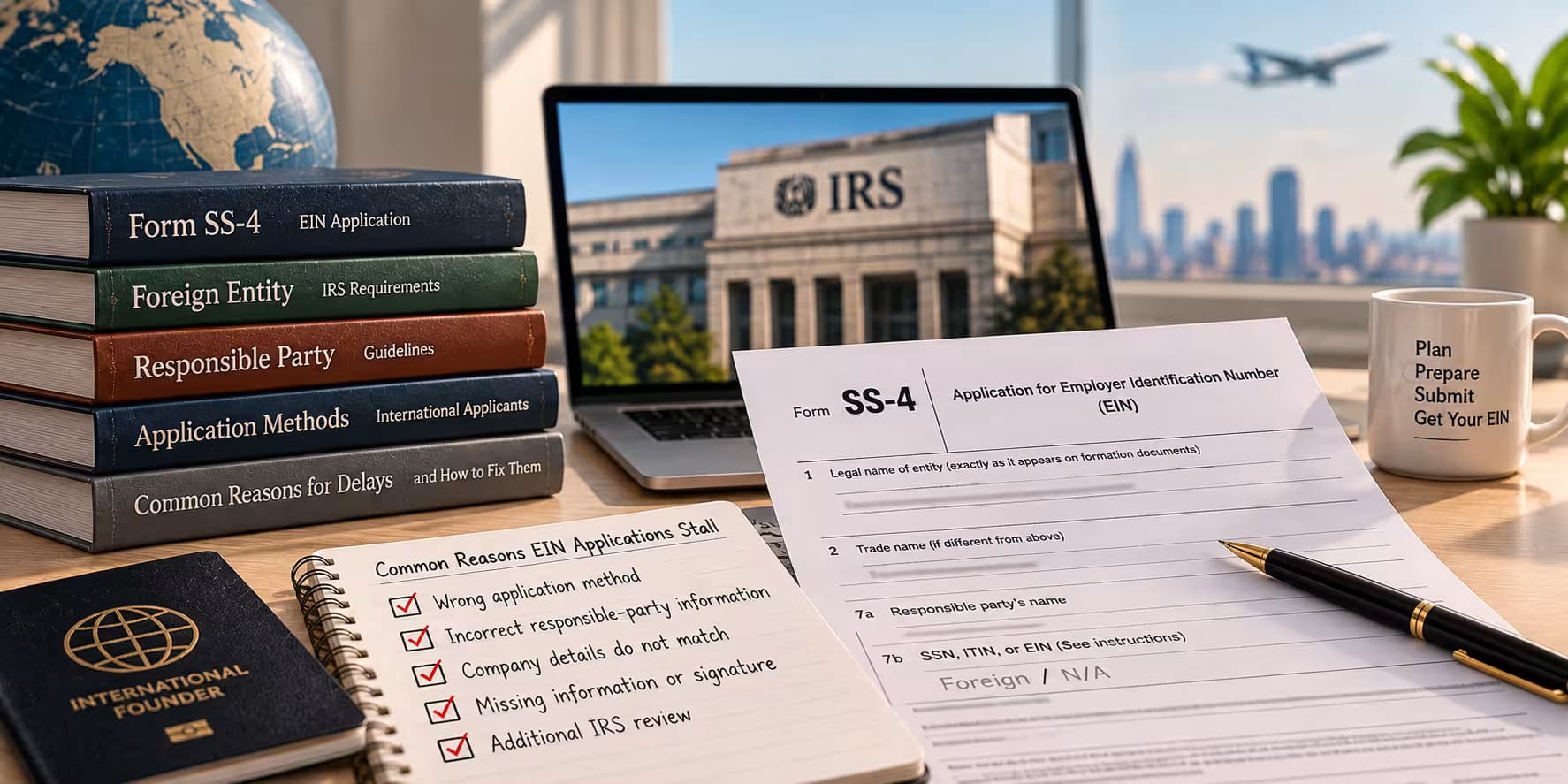
2. Can I Get an EIN Without an SSN?
This is one of the most common practical concerns for international founders. An Employer Identification Number (EIN) is a federal tax identification number used to identify a business for tax administration. Some non-US applicants can obtain an EIN without having a Social Security number (SSN) or Individual Taxpayer Identification Number (ITIN).
The application method depends on your circumstances. Applicants without a US legal residence, principal place of business, or principal office generally cannot use the IRS online EIN application and must use another permitted application method. It's important to follow the applicable instructions and provide accurate information.
My advice is to get the application details right the first time. Inconsistent names, addresses, or responsible-party information can create unnecessary complications. If you're preparing to apply, review this guide on getting an EIN without an SSN as a non-resident to understand the process and common points that require attention.
Prepare Your Information Before Applying
Before starting an EIN application, make sure your company details and responsible-party information are consistent with your formation records. If you're uncertain about a particular field or application method, confirm the requirements that apply to your situation instead of guessing.
3. If I Form an LLC, Will I Automatically Get a US Bank Account?
No—and I would be careful with anyone who promises otherwise. Registering a US LLC does not guarantee approval for a US bank account. Formation documents and an EIN can help you prepare an application, but the financial institution makes its own decision.
A bank or financial service provider may review your identity, business activity, operating address, expected transactions, and supporting documents. Requirements vary by provider, and some services may have restrictions based on your country of residence or the type of business you operate.
Before choosing a formation service, check whether its banking guidance matches your actual business. A registered LLC is not a guarantee of bank approval, and a registered-agent address should not be misrepresented as the place where you operate.
Plan Your Banking Before You Register
Think about how you will receive customer payments, pay business expenses, and maintain financial records. Check the provider's eligibility rules before spending money on formation solely to access a particular banking service. This can help you avoid a situation where your company is registered but your original payment or banking problem remains unresolved.
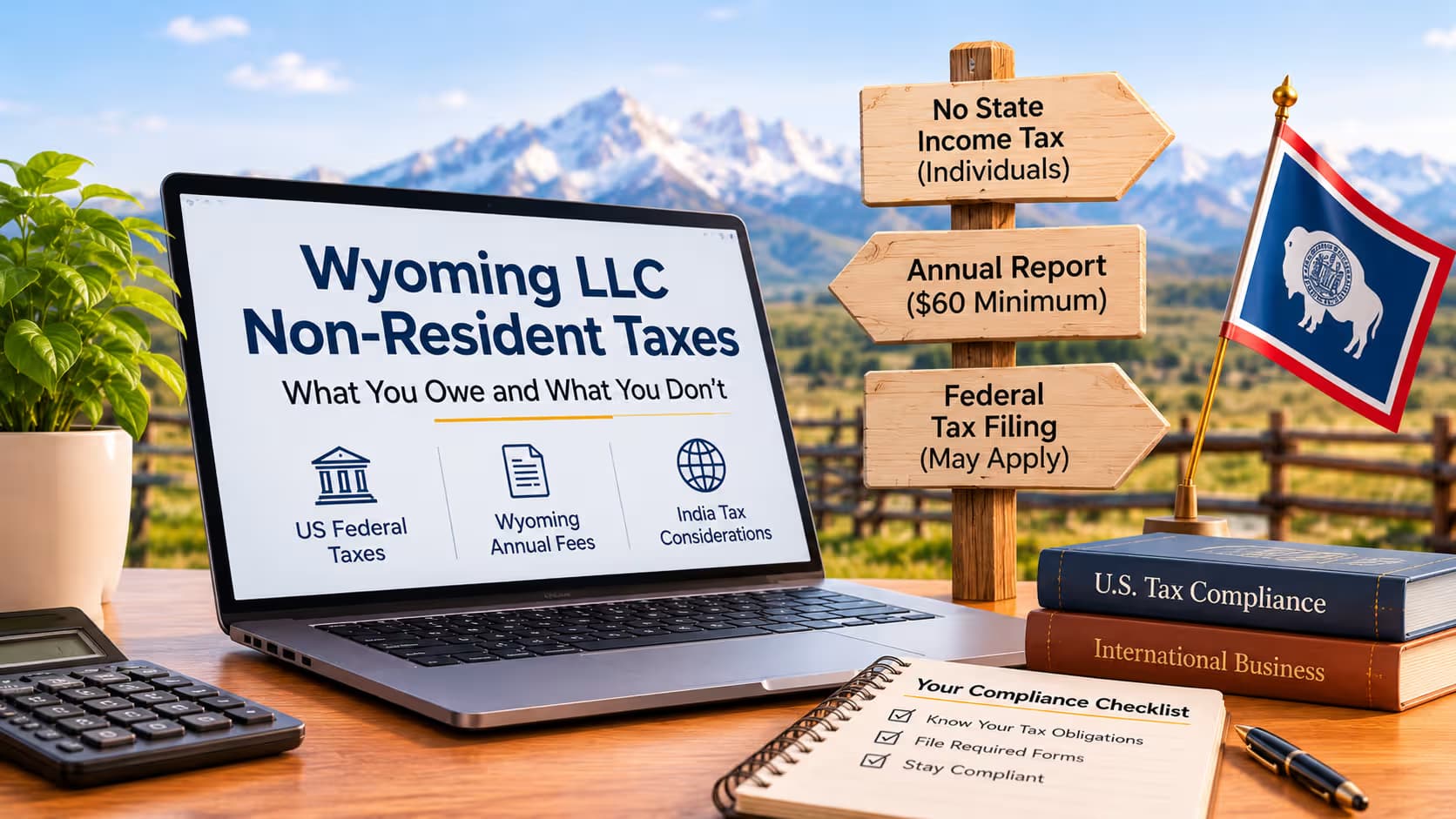
4. If My LLC Makes No Money in the US, Do I Still Need to File Taxes?
This question needs more than a yes-or-no answer. Having no US income does not automatically mean having no US filing obligations. The answer depends on the LLC's tax classification, ownership, transactions, activities, and the reporting rules that apply to the business.
For example, certain foreign-owned, single-member US LLCs treated as disregarded entities may need to file Form 5472 attached to a pro forma Form 1120 when the applicable reporting requirements are met. Specific exceptions and filing conditions matter, so founders should not assume that every LLC has identical obligations.
I encourage founders to understand their annual responsibilities before forming the company—not after a deadline has passed. You can learn more about the relevant reporting considerations in this guide to Form 5472 for foreign-owned LLCs.
Understand Compliance Before Your First Transaction
Keep track of business transactions, company expenses, contributions, and other relevant records from the beginning. Don't wait until tax season to work out what happened during the year. If you're unsure which forms or deadlines apply to your LLC, consult a qualified tax professional familiar with foreign-owned US businesses.
5. Which State Should I Choose: Wyoming or Delaware?
I don't think one state is automatically best for every founder. Wyoming is often considered by entrepreneurs looking for a straightforward LLC structure, while Delaware may be appropriate in other circumstances, particularly for businesses planning to seek venture capital or use a conventional startup corporate structure.
The right choice depends on your goals, expected costs, investors, and where the business will actually operate. You should also consider filing fees, annual requirements, and whether doing business in another state could create additional registration or compliance responsibilities.
Don't choose a state just because a video calls it the cheapest or most tax-friendly option. A low initial formation cost doesn't necessarily mean the lowest total cost over time.
Compare the Full Cost of Ownership
Before making your decision, compare the initial filing fee, ongoing state requirements, registered-agent costs, and any additional obligations connected with your business activities. Consider how the company may grow over the next few years, too. The best choice is the one that fits your actual plans—not simply the one that sounds most popular online.
6. Can I Use My US LLC for Stripe, Shopify, Amazon, or Other Platforms?
Sometimes, but forming an LLC doesn't guarantee platform approval. Payment processors and marketplaces have their own eligibility rules, identity checks, business verification requirements, and payout conditions. A US company and EIN may form part of an application, but they may not be sufficient on their own.
Before forming an LLC solely to access a platform, check that platform's current requirements for your country of residence and business type. Review its rules for identity verification, supported countries, payment methods, and business documentation.
I would rather see a founder verify eligibility first than spend money on a company that doesn't solve the original problem. The goal should be to build a business structure that supports your operations, not to assume that incorporation automatically unlocks every service.
Confirm Platform Eligibility Before Spending Money
Make a list of the platforms you intend to use and check their requirements individually. If your business depends on a particular payment processor or marketplace, confirm that your residence, business model, and available documents meet its criteria before you commit to forming an LLC for that purpose.
7. What Should I Do After My LLC Is Approved?
This is the question I wish more founders asked before registering. Once your company is formed, organise your formation documents, EIN confirmation, operating agreement where appropriate, payment records, and important deadlines. Understand your registered-agent renewal, state annual report, and any applicable federal or home-country tax and reporting requirements.
If you're a non-US owner, don't assume that your responsibilities end when the formation service finishes its work. Depending on your circumstances, you may need separate tax preparation, accounting, or professional advice. Your obligations can vary based on the LLC's ownership, tax classification, transactions, and business activities.
I also recommend keeping a simple calendar of deadlines. A little organisation at the beginning can prevent a lot of confusion later.
Create a Simple LLC Compliance Checklist
Start by storing your formation documents securely and recording important renewal and filing dates. Keep business and personal records organised, track relevant financial transactions, and review your responsibilities periodically. If your business activity or ownership changes, check whether those changes affect your reporting or compliance requirements.
What These Questions Have Taught Me About US LLCs for Non-Residents
The pattern I see is that founders often start by asking how to create a US company, when the more useful question is what they need the company to accomplish. Are you trying to invoice international customers, build a SaaS business, sell through a marketplace, or prepare for fundraising? Each goal can lead to a different recommendation.
At FormLLC, I believe our job is not just to help someone register an entity. It's to help them understand what they're buying, what the next steps may involve, and where they might need additional professional support. A successful business setup starts with informed decisions, not just completed registration paperwork.
If you're considering a US LLC for non-residents, start with your business model, check the rules that apply to your country, and understand the ongoing responsibilities before you pay for formation. Take time to compare your options, verify platform eligibility, and plan for compliance from the beginning.
The LLC is a starting point—not the entire business.
This article is for general informational purposes only and does not constitute legal, tax, or financial advice. Tousif Akram and FormLLC are not a law firm or CPA firm. Consult a licensed professional for advice specific to your situation.
Ready to Form Your US LLC?
Free 30-minute consultation with no obligation and no sales pressure.
Book Free Call