The Day-2 Problem: What Nobody Tells You After Your US LLC Is Formed

Tousif Akram
IRS CAA | Founder, FormLLC
The Day-2 Problem: What Nobody Tells You After Your US LLC Is Formed
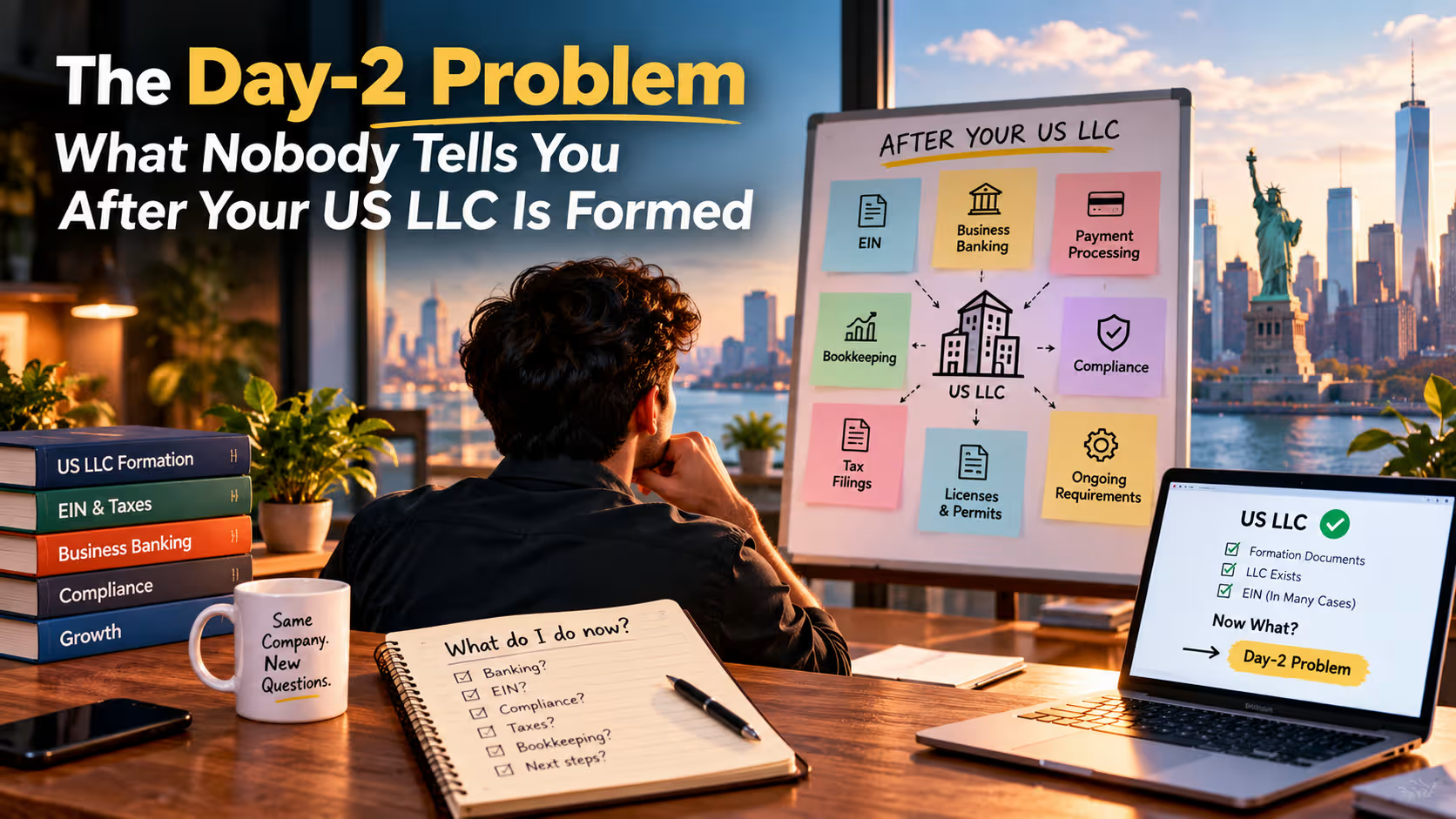
When I started working with entrepreneurs who wanted to build businesses in the US, I noticed something that kept happening. The founder would successfully form an LLC, receive the documents, celebrate for a moment, and then ask me a simple question: “What do I do now?”
That question is the reason I think we need to talk more about the day after company formation. Forming a US LLC can feel like the finish line because you now have a company name, formation documents, and, in many cases, an EIN. But in reality, formation is the starting point. The US Small Business Administration treats registration, tax IDs, licenses and permits, banking, and ongoing requirements as separate parts of launching and operating a business.
Your LLC Is Formed, but Your Business Has Just Started
This is one of the biggest lessons I have learned from helping entrepreneurs from different countries build US companies. A company document does not automatically give you a complete business infrastructure.
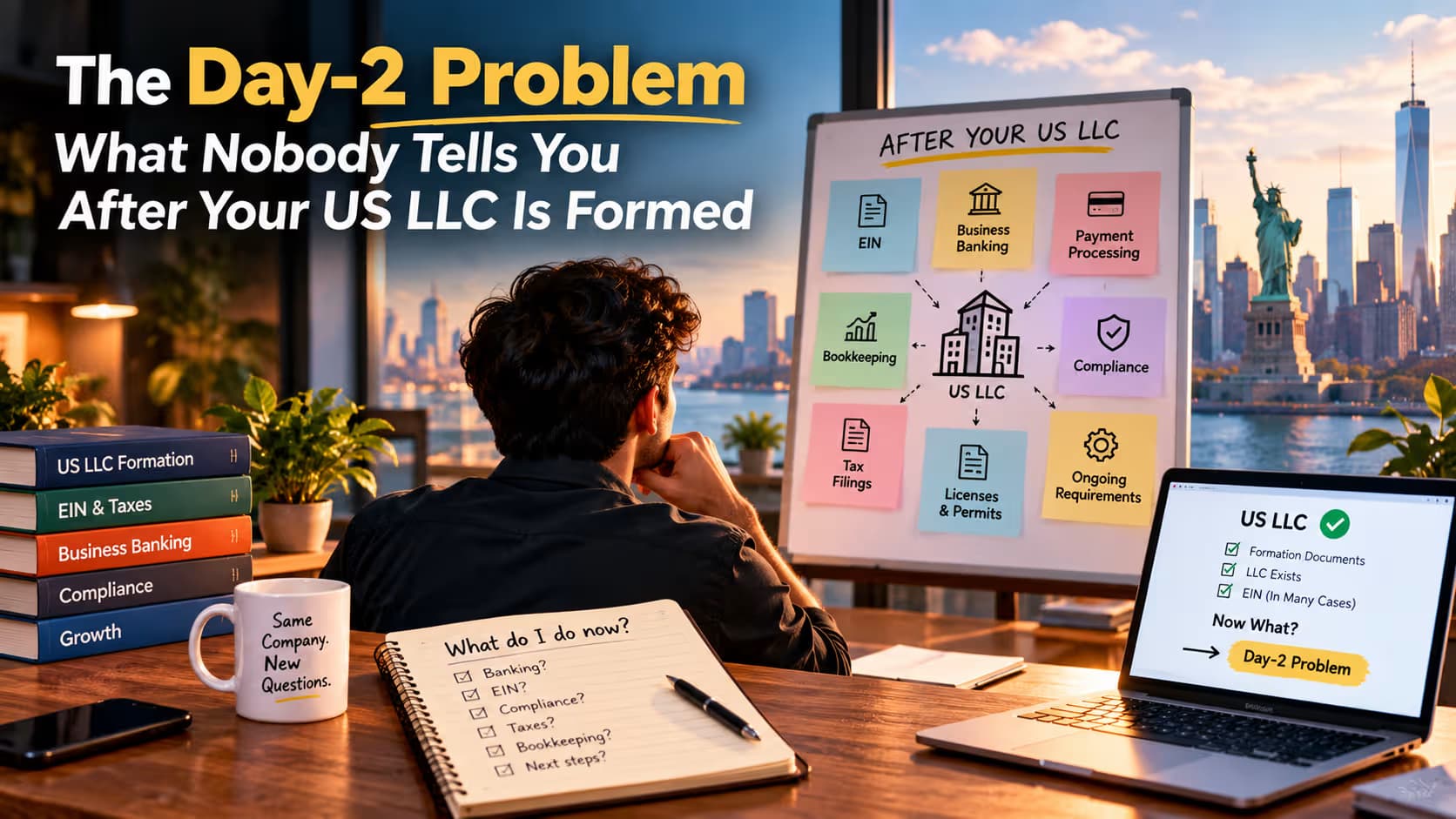
After formation, you may need to think about your EIN, business banking, payment processing, bookkeeping, state requirements, federal tax obligations, licenses, contracts, and how you will maintain proper records. What applies depends on your business structure, state, activities, ownership, and tax classification.
For a founder outside the US, this can become even more confusing because the questions don't stop at “Which state should I choose?” They quickly become: How should I handle my money? Which filings apply to me? What records should I maintain? Does my LLC have US reporting obligations? What happens if I have transactions between myself and my US company?
Those are Day-2 questions, and together they create what I call the Day-2 problem. They are often more important than the formation itself because they determine how the company will actually operate after registration.
What Changes After Company Formation?
The biggest change is that you move from creating the company to operating the company. Before formation, most of your attention may be on choosing a structure, selecting a state, preparing documents, and completing registration.
After formation, the focus shifts toward actually running the business. You may need to organize banking, payments, accounting, records, contracts, licenses, and compliance processes.
If you're still researching the formation process, our guide on forming a US LLC from India explains the formation side, while this article focuses on what happens afterward.
The EIN Is Not the End of the Process
I have seen founders become extremely focused on getting an EIN because they believe that once they have it, everything else will automatically fall into place.
It doesn't.
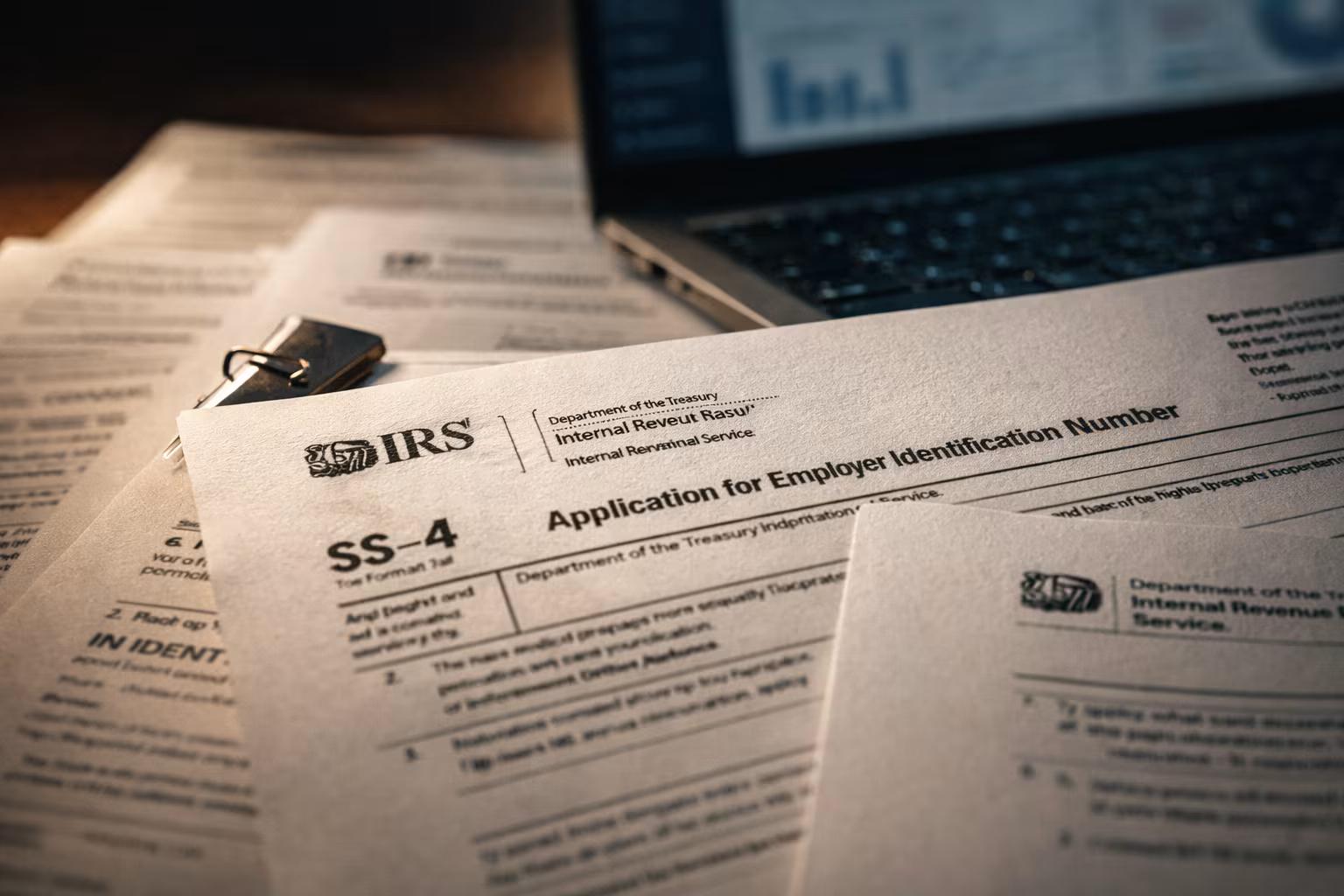
An EIN is a federal tax identification number, and businesses may need it for purposes such as federal taxes, hiring employees, opening a bank account, and applying for certain licenses or permits. But having an EIN does not mean your tax or compliance responsibilities are finished.
This distinction matters especially for international founders. For example, the IRS has specific rules concerning foreign-owned US disregarded entities and Form 5472. In certain circumstances, a foreign-owned US disregarded entity can have a Form 5472 reporting obligation and may need to file a pro forma Form 1120 with it.
That is why I have become much more careful about how I talk about US LLC formation. I don't want to tell someone, “Your company is formed, you're done.” That may be easy to sell, but it is not how responsible business guidance should work.
Formation Documents Are Only the Beginning
Your formation documents establish the company, but they don't tell you everything you need to know about operating it.
A founder may still need to understand how the business will receive money, how expenses will be recorded, what reporting obligations may apply, and what records should be maintained.
This is especially important for non-US founders because operating a US business from another country can involve responsibilities in more than one jurisdiction.
The right approach is to understand the company's ongoing obligations rather than treating the EIN or formation certificate as the final step.
The Day-2 Problem Is Usually About Understanding, Not Paperwork
One of the biggest changes in my thinking came from seeing what happened when customers came to us after something had already gone wrong.
Sometimes the problem wasn't that they chose the wrong state or paid too much for formation. The problem was that nobody explained what they needed to do afterward.
A founder can be excellent at selling a product, building software, creating content, or finding customers and still have no idea how to maintain the administrative side of a US company. That doesn't make them a bad entrepreneur. It simply means company administration is a different skill.
Good records are a simple example. Businesses generally need records that clearly show income and expenses and support what is reported on tax returns. This sounds basic, but when you are running a business across countries, currencies, payment platforms, contractors, and multiple accounts, small gaps in recordkeeping can become much bigger problems later.
The Day-2 problem is not one specific filing or administrative task. It is the collection of questions that appear after formation when a founder has to turn a newly created LLC into a functioning business.
Why Recordkeeping Matters After Formation
Once the business begins operating, transactions start happening. Customers pay the company, the company pays expenses, contractors may be hired, subscriptions may be purchased, and money may move between accounts.
Without organized records, it can become difficult to understand what happened during the year or provide the information needed for accounting and tax reporting.
That is why I think bookkeeping and recordkeeping should be considered part of the Day-2 setup, rather than something to worry about months later.
The business may also need separate systems for invoices, contracts, receipts, expenses, and other important documents. Building those systems early can make the administrative side of the business easier to manage as it grows.
What I Tell Founders After Forming a US LLC
I don't think the right question after forming a US LLC is, “What document do I need next?”
The better question is, “What does my business need to operate correctly from this point forward?”
For one founder, that may mean getting banking and payment infrastructure ready. For another, it may mean understanding federal and state filing requirements. Someone else may need proper bookkeeping, contracts, licenses, or professional tax advice.
The answer depends on the actual business.
Start With Your Business Needs
If you're building an agency, your operational needs may be different from someone running an ecommerce store. A software company may have different requirements from a freelancer or consultant.
That is why I don't think there should be one generic Day-2 checklist that every founder follows without considering their circumstances.
Instead, founders should identify the areas that matter to their particular business and then build the appropriate systems around them.
For example, banking may become an immediate priority after formation. If you're a non-resident founder researching this area, our guide on US bank accounts for non-residents covers another important part of the post-formation journey.
Banking and Payment Infrastructure Come Next
For many founders, one of the first practical questions after formation is how the company will actually receive and manage money.
The company may need a business bank account, payment processor, merchant account, or another method of receiving customer payments. The options and requirements can vary depending on the business, the provider, ownership, location, and other factors.
This is where I think founders should separate having a company from having an operating business.
A company can exist legally without having all the operational infrastructure needed to serve customers efficiently.
Building an Operating Business
Once the business can receive payments and manage expenses, the founder can begin creating more organized operational processes.
That may include bookkeeping, invoicing, contracts, expense tracking, customer management, and document storage.
None of these things are as exciting as launching a company. But they are part of what makes a company easier to operate over time.
The goal isn't to create unnecessary complexity. It is to create enough structure that the business can operate without constantly starting from scratch.
Why I Call It the Day-2 Problem
When I started FormLLC, I was focused heavily on helping people get their US companies formed. Over time, working with thousands of entrepreneurs changed the way I looked at the problem.
The real opportunity is not simply helping someone create an LLC.
It is helping a founder understand what comes after the LLC.
That is the part I call the Day-2 problem. It represents the stage where the founder moves beyond incorporation and starts dealing with the practical requirements of operating the business.
Because the goal was never just to give someone a US company on paper. The goal is to help entrepreneurs build something they can actually operate, maintain, and grow.
The Formation Certificate Is Not the Finish Line
A US LLC can be an important piece of a global business, but the formation certificate is only the beginning.
After formation, founders still need to think about how the business will operate, how money will move, how records will be maintained, and which ongoing requirements apply to their particular situation.
For founders considering whether the entire process can be completed remotely, our guide on starting a US company without visiting the US explores another part of the international company-formation journey.
The bigger lesson is simple: forming the company and operating the company are two different stages of building a business.
What I Want Founders to Understand About Day 2
If there is one thing I want founders to understand, it is that they shouldn't wait until a problem appears before thinking about what comes next.
You don't need to understand every possible requirement on the day your LLC is formed. But you should have a general roadmap for the responsibilities that may apply to your business.
That roadmap can include banking, payments, bookkeeping, tax and compliance requirements, licenses, contracts, recordkeeping, and other operational needs.
The exact requirements will depend on the company's circumstances, so founders should seek qualified legal or tax advice when their situation requires it.
Build the Roadmap Before You Need It
The best time to understand your post-formation responsibilities is before an important deadline arrives.
Instead of thinking, “My LLC is formed, so I'm finished,” think of formation as the point where the next stage begins.
Your company now needs to function.
It needs to receive and spend money properly. It needs organized records. It may have reporting requirements. It may need licenses or contracts. And as it grows, its operational needs can change.
That is what makes the Day-2 problem so important. Understanding these responsibilities early gives founders a clearer roadmap for operating their company after formation.
The Real Work Starts After Formation
When I look at the founders I have worked with, I see the same pattern repeatedly. They start by wanting a company. Then they realize they actually need a functioning business.
The questions become more practical. How do I manage the company's money? How do I keep my records organized? What filings apply? How do I work with contractors? How should I structure my operations? What do I need to understand before the next deadline?
Those questions are not signs that something has gone wrong. They are simply part of moving from company formation to company operation.
And that is why I believe the conversation around US LLCs needs to go beyond registration.
What Happens After You Form an LLC Matters
A US LLC can be a useful structure for certain businesses and founders, but the value of the company ultimately depends on what happens after formation.
The founder still has to build the product, find customers, deliver value, manage finances, maintain records, and operate the business responsibly.
The LLC is the structure.
The business is what you build inside it.
And that is something I wish every founder knew before they clicked “form my LLC.”
*This article is for general educational purposes and is not tax or legal advice. US LLC obligations vary based on ownership, tax classification, state, business activities, and other facts. Founders should consult an appropriately qualified professional for advice about their specific situation.*
Related Guides for US LLC Owners
If you've recently formed a US LLC and want to understand the next steps, start with our guide on forming a US LLC from India. If you're looking at business banking, read our guide on US bank accounts for non-residents. And if you're researching whether the formation process can be completed remotely, see Can I Start a US Company Without Visiting the US?.
This article is for general informational purposes only and does not constitute legal, tax, or financial advice. Tousif Akram and FormLLC are not a law firm or CPA firm. Consult a licensed professional for advice specific to your situation.
Ready to Form Your US LLC?
Free 30-minute consultation with no obligation and no sales pressure.
Book Free Call