Can Indian Own US LLC? Legal Rules for Indian Residents

Tousif Akram
IRS CAA | Founder, FormLLC
Can Indian Own US LLC? Legal Rules for Indian Residents
Can Indian own US LLC? Yes, an Indian resident can generally own a US LLC, but the full answer involves more than US company law. You also need to consider India's foreign-exchange rules, the nature of your business, how you fund the company, and your tax and reporting obligations.
When founders contact me about setting up a US company, some worry that they need American citizenship, while others have heard that forming a company abroad could violate Indian law. My advice is to understand the requirements in both countries before registering or investing money in a company.
1. Can Indian Own US LLC Under US and Indian Law?
Generally, yes. US states do not ordinarily require an LLC owner to be a US citizen or resident. This means you can explore forming an LLC in Wyoming, Delaware, or another state while living in India, subject to the applicable state and federal requirements.
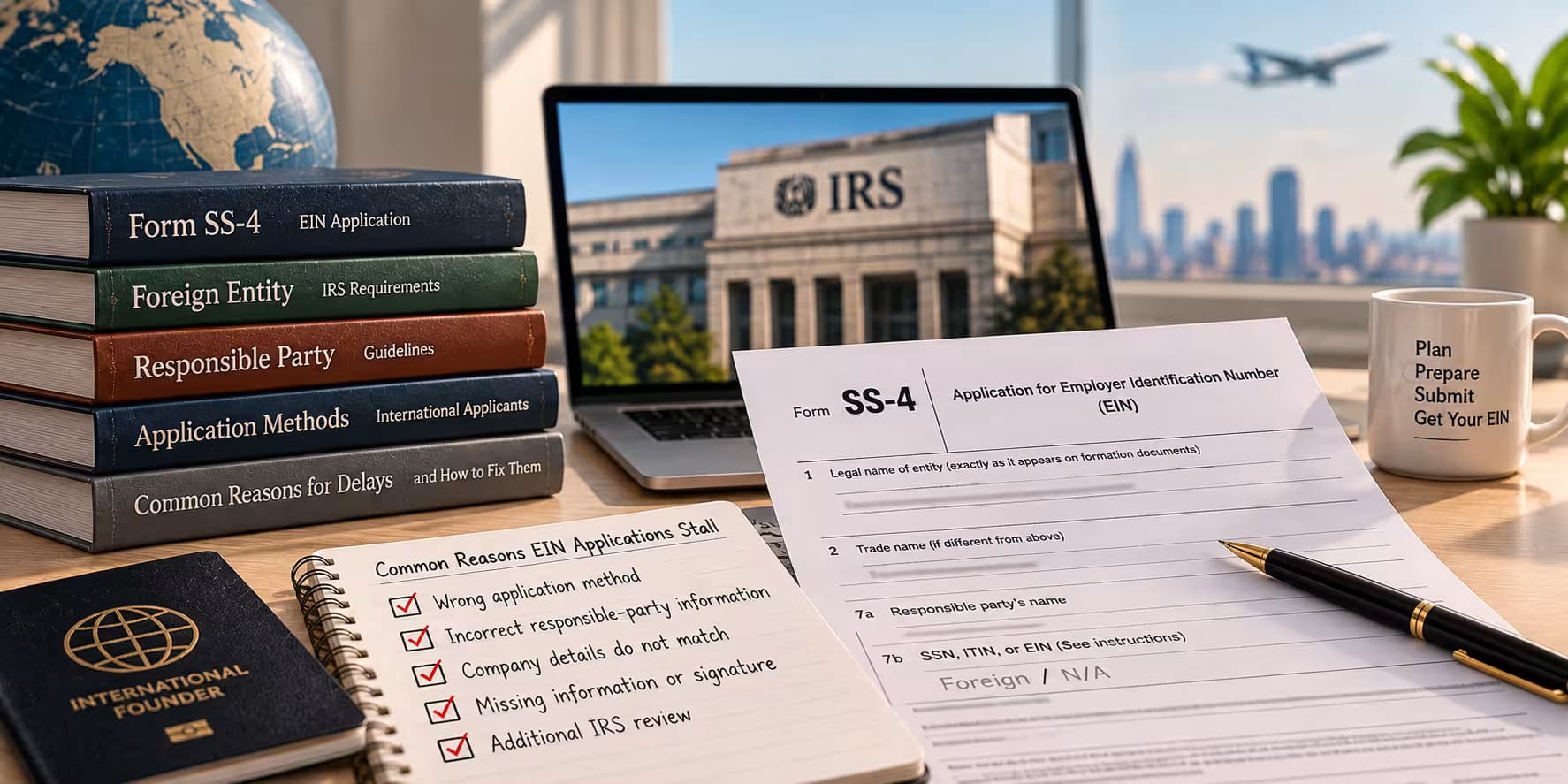
You may also be able to apply for an Employer Identification Number (EIN) without a US Social Security number by following the procedure applicable to international applicants. However, registering the LLC is only one part of the process. It does not automatically qualify you for a US business bank account, guarantee payment-gateway approval, or settle your Indian compliance obligations.
Before you begin, read our US LLC formation guide for non-residents to understand the main formation steps and the decisions involved in establishing a US business from abroad.
What US LLC Ownership Does Not Automatically Give You
Owning a US LLC does not automatically give you US immigration status, banking approval, or permission to disregard the laws of your country of residence. Each of these areas has separate requirements, and your responsibilities depend on your circumstances.
The important distinction is that being eligible to own a US company is not the same as being automatically permitted to make every type of overseas investment or operate every type of business.
2. Why Indian FEMA Rules Matter Before You Invest
This is where the answer needs more care. If you are a person resident in India under the applicable foreign-exchange rules, investing in an overseas business may fall under India's Foreign Exchange Management Act (FEMA) and the Overseas Investment framework.
The applicable rules can place conditions on the types of foreign entities in which resident individuals may invest. The treatment of an overseas investment can depend on the nature of the foreign entity, whether it conducts a bona fide business activity, the proposed ownership arrangement, and the applicable reporting requirements.
That means you should not assume that every LLC structure is permissible simply because a US state allows it to be formed. Before investing, explain your proposed business and ownership structure to an authorised dealer bank and a qualified Indian FEMA adviser.
Check Your Proposed Business Structure Before Formation
Before paying for formation services, explain what the US company will do, who will own it, how it will be funded, and where its business activities will take place. These details can affect how the proposed investment is assessed under India's overseas-investment framework.
Getting advice before formation and funding can help you identify potential issues early. It is generally easier to review the proposed structure in advance than to discover later that the investment route or reporting process needs to be corrected.
3. Can You Send Money From India to Fund Your US LLC?
Potentially, subject to the applicable overseas-investment and remittance rules. India's Liberalised Remittance Scheme (LRS) permits eligible resident individuals to remit funds up to the applicable annual limit for permitted transactions. However, the LRS limit is not blanket permission for every overseas investment. The proposed investment must also satisfy the relevant Overseas Investment requirements.
Where an investment is treated as overseas direct investment (ODI), additional requirements may apply, including reporting through a designated authorised dealer bank and submitting the relevant forms and supporting information.
Before transferring money to your new LLC, discuss the proposed funding route with your bank and a qualified adviser. Do not assume that paying formation expenses with a personal card automatically resolves every FEMA requirement.
Plan Your Funding and Reporting in Advance
Prepare a clear explanation of the source of funds, the intended purpose of the transfer, the ownership structure, and the way the company will use the money. Ask your authorised dealer bank which procedures and documents apply to your specific arrangement.
Keep records of transfers, company expenses, owner contributions, and other relevant transactions. Organised records can help you answer questions later and make it easier to review the company's financial and reporting obligations.
4. Does Owning a US LLC Mean You Will Pay US Tax?
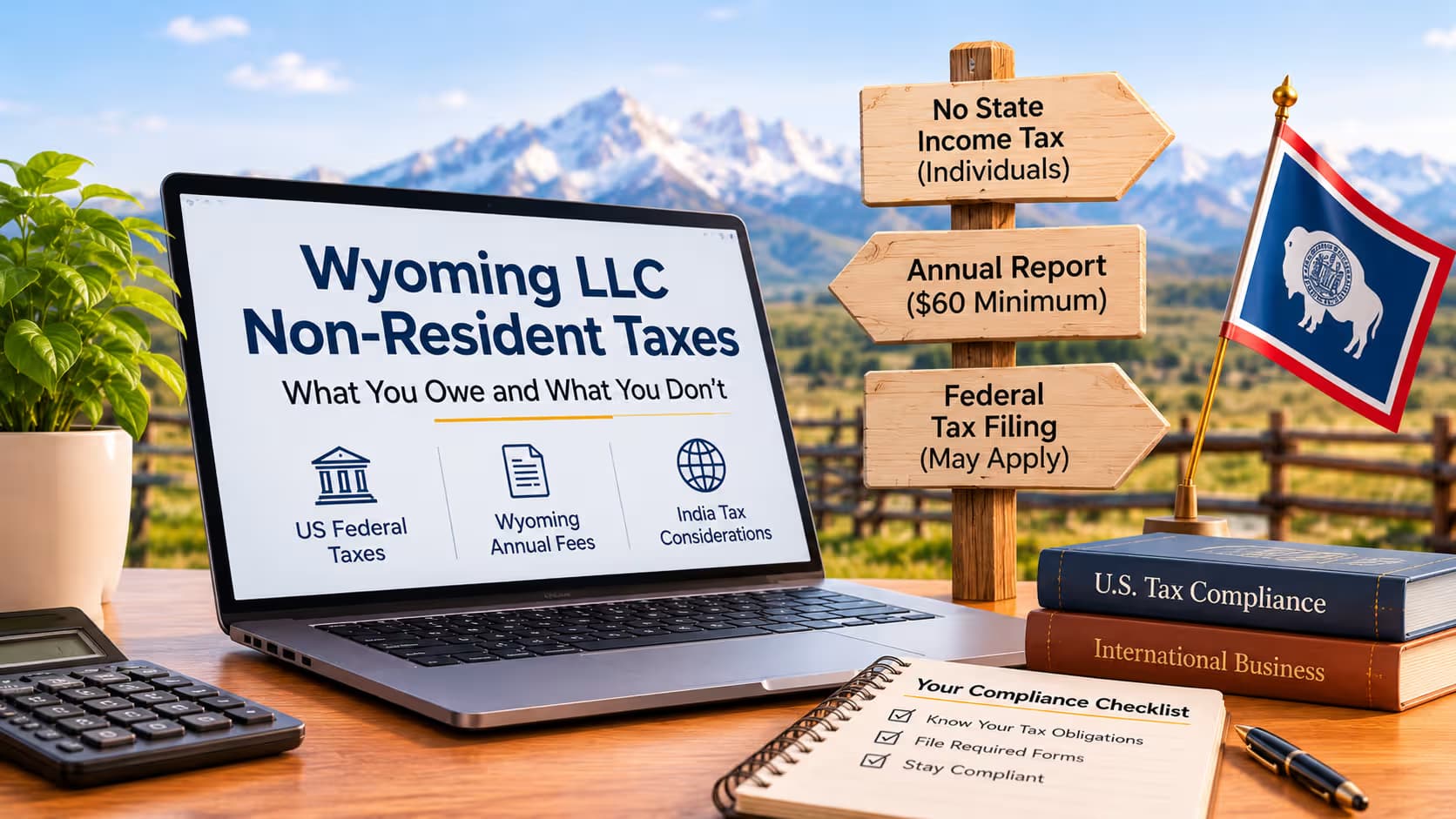
Not automatically, but ownership does not automatically make you tax-free either. For US federal tax purposes, a single-member LLC is generally treated as a disregarded entity unless it elects a different classification. A foreign-owned single-member LLC may still have information-reporting obligations, including Form 5472 with a pro forma Form 1120 when the applicable conditions are met.
Whether you owe US income tax or need to file a personal US tax return depends on your actual circumstances, including your business activities and the nature of your income. It is important to distinguish tax payments from information-reporting obligations because they are not the same thing.
You also need to consider Indian tax obligations. If you remain an Indian tax resident, your worldwide income and foreign-asset reporting position may need to be reviewed under Indian law. Owning a US LLC does not automatically remove those responsibilities.
Understand Your EIN and Tax Reporting Responsibilities
An EIN is a tax identification number for your business; it does not determine by itself whether you owe tax or which forms you must file. The correct reporting obligations depend on the company's tax classification, ownership, transactions, and other relevant facts.
Our guide to getting an EIN without an SSN as a non-resident covers one part of the setup process. For decisions involving US and Indian tax treatment, seek advice from a qualified professional who understands cross-border business arrangements.
5. What Should You Check Before Forming a US LLC?
Before paying a formation service, I would ask four questions: What is the business purpose? Does the proposed ownership and investment structure comply with India's overseas-investment rules? How will you fund the company through an appropriate route? And have you accounted for the relevant US and Indian tax and reporting obligations?
Once those questions have been addressed, you can compare states, appoint a registered agent, apply for an EIN, and investigate banking and payment providers. Following this sequence helps you avoid treating company registration as the finish line.
Check Banking and Payment Eligibility Before You Spend More
A legally formed LLC does not guarantee that a particular bank or payment provider will accept your application. Providers may assess the business model, ownership, residence, address information, and supporting documents under their own eligibility rules.
If banking is an important reason for forming the company, review our guide to opening a US bank account as a non-resident LLC owner. Check the provider's requirements before committing to a structure or assuming that an LLC and EIN will be sufficient.

My Advice to Indian Founders Considering a US LLC
When someone asks me, “Can Indian own US LLC?”, I don't want them to hear only a simple yes and assume every part of the setup is automatically permitted.
The US side generally allows foreign ownership. The Indian side requires you to examine how the investment is structured, whether it is permitted under the applicable rules, and how it must be funded and reported. Your tax responsibilities and financial-service eligibility also need to be considered separately.
A US LLC can be a useful structure for an international business, but the right decision depends on your actual circumstances—not just the fact that you can register a company online. Take the time to review the legal, investment, banking, and tax implications before moving forward.
The takeaway: check the rules in both countries before you form and fund the LLC. Getting that decision right at the beginning is much easier than trying to correct the structure later.
This article is for general informational purposes only and does not constitute legal, tax, or financial advice. Tousif Akram and FormLLC are not a law firm or CPA firm. Consult a licensed professional for advice specific to your situation.
Ready to Form Your US LLC?
Free 30-minute consultation with no obligation and no sales pressure.
Book Free Call