Convert LLC to C Corp Before Fundraising: What Goes Wrong

Tousif Akram
IRS CAA | Founder, FormLLC
Convert LLC to C Corp Before Fundraising: What Goes Wrong
Deciding when to convert LLC to C corp is an important step for founders preparing to raise venture capital. Waiting until an investor is ready to close a deal can create unnecessary pressure. The company may need to resolve ownership issues, update legal documents, and review potential tax consequences before funding can proceed.
A US LLC can be a practical structure for an early-stage business. However, some investors prefer or require a C corporation for their investment. Founders who plan to raise venture capital should understand the conversion process before fundraising begins.
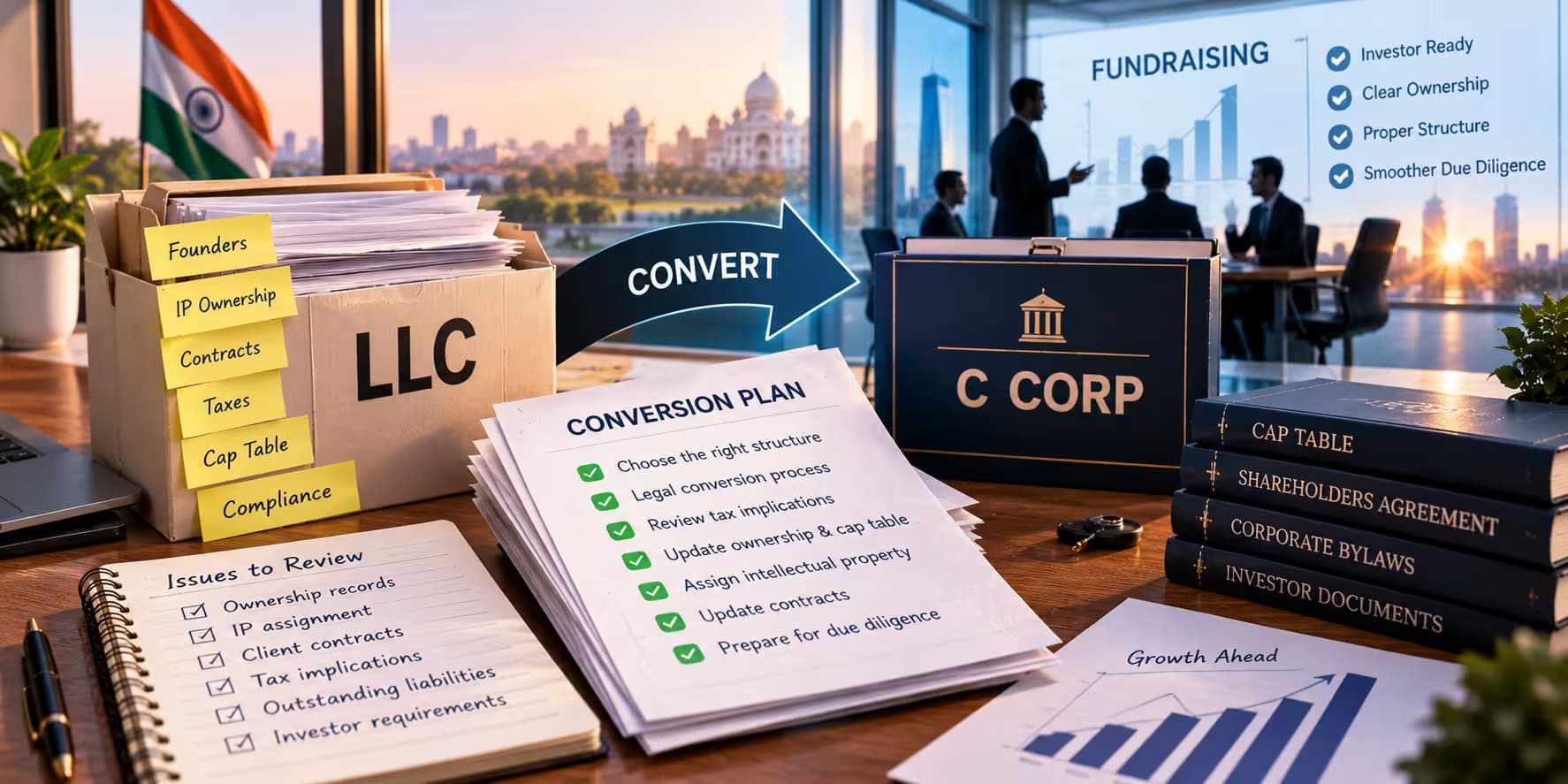
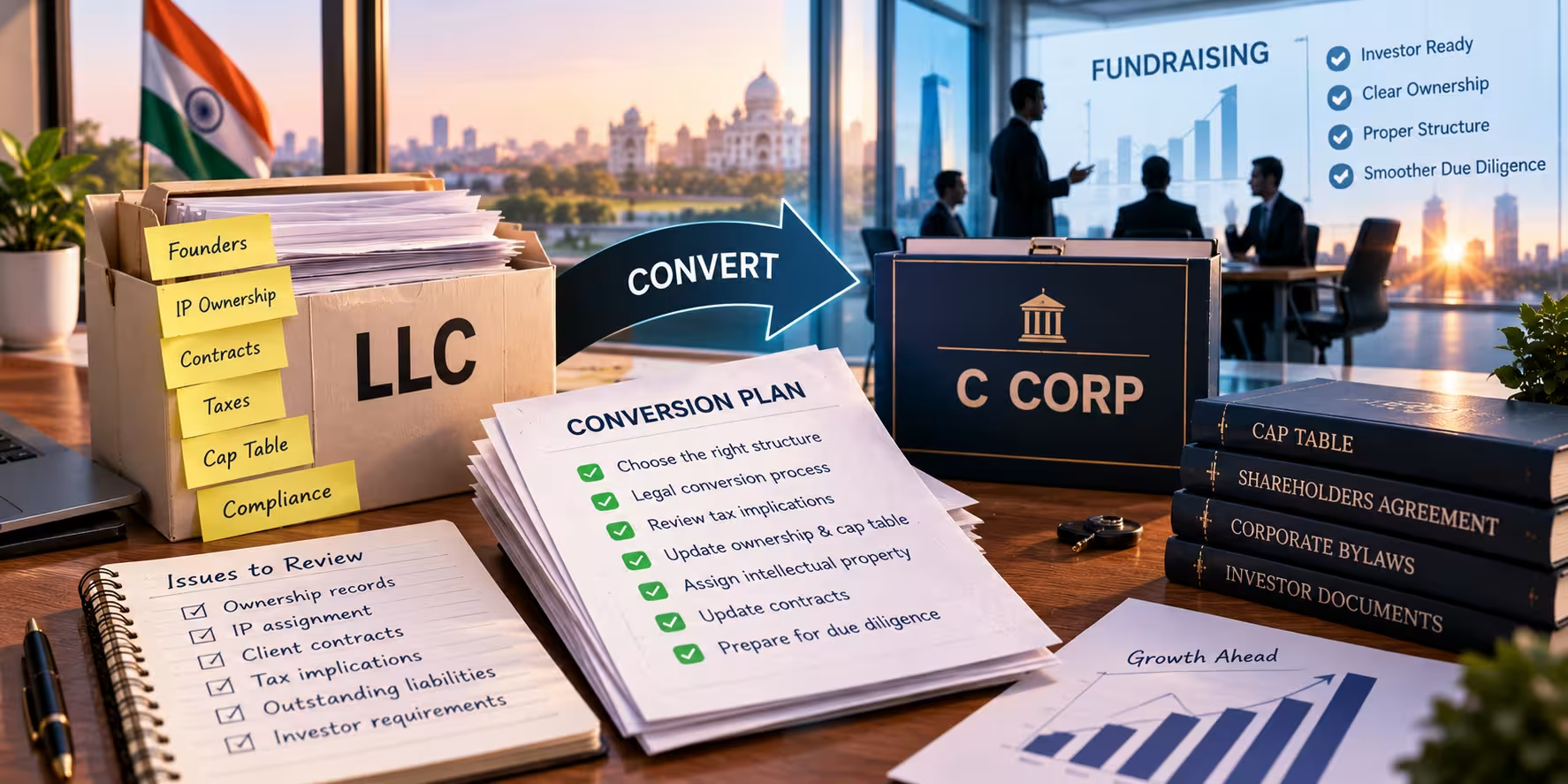
The challenge is not simply filing paperwork. You must also review ownership records, intellectual property, contracts, tax history, and corporate documents. Addressing these issues early can help prevent avoidable delays during investor due diligence.
Understanding how to choose the right US business structure can help you make an informed decision before committing to a structure that may need to change as your business grows.
The Cleanup Before a Term Sheet
Imagine building a business through an LLC and then securing serious interest from potential investors. The funding discussions are progressing, but the investor's legal team identifies missing documents or questions about the company's ownership.
The business may need to confirm who owns each membership interest, document founder contributions, and establish who owns its software or other intellectual property. Existing customer contracts and contractor agreements may also require review.
The situation becomes more complicated if the LLC has multiple members, promised equity, SAFEs, or convertible notes. Each arrangement needs to be assessed before restructuring begins.
Starting with an LLC does not automatically mean you made the wrong decision. An LLC can work well for many businesses. The important point is to review your structure when venture capital becomes a realistic funding option.
How to Convert LLC to C Corp Before Fundraising
Before you convert LLC to C corp, understand the difference between a legal conversion and a tax classification election. These are separate matters, and one does not automatically replace the other.
Legal Conversion From an LLC to a Corporation
A legal conversion changes the entity's legal form under applicable state law. Depending on the state and the company's circumstances, the process may involve a statutory conversion, a merger, or another permitted restructuring method.
The correct method depends on the LLC's formation state, governing documents, ownership arrangements, and intended corporate structure. A startup lawyer can review these details and identify the appropriate process.
Founders should also confirm how existing membership interests, company assets, contracts, and obligations will be handled. This helps ensure the restructuring addresses the company's actual legal needs.
Tax Classification Is a Separate Decision
An eligible LLC may elect corporate tax treatment for US federal tax purposes. However, this election alone does not necessarily change the entity's legal form under state law or establish the shares and governance structure investors expect.
The tax consequences of converting an LLC to a C corp depend on several factors. These include the LLC's current tax classification, assets, liabilities, ownership, and the method used for the transaction.
Some transactions may qualify for tax-deferred treatment, but this outcome should never be assumed. A qualified US tax adviser should review the proposed conversion before any documents are signed.
Coordinate the legal and tax work with your advisers. The goal is to create the appropriate corporate structure for fundraising while understanding the financial consequences of the change.
What Can Go Wrong During an LLC-to-C-Corp Conversion?
Before you convert LLC to C corp, review the company's ownership, intellectual property, contracts, tax history, and existing liabilities. Problems in any of these areas can delay fundraising or complicate the restructuring process.
Ownership Records and the Cap Table
A capitalization table, commonly called a cap table, records who owns the company and how that ownership is distributed. Before shares are issued by the new corporation, the company needs accurate records of founder ownership, contributions, promised equity, previous transfers, and existing investment arrangements.
Multiple LLC members can make the process more complicated. Unclear ownership percentages or undocumented promises may create disagreements during due diligence.
Review the operating agreement, membership records, contribution history, and financing documents. Obtain legal advice on how existing interests should be treated in the new corporate structure.
Intellectual Property and Business Contracts
Intellectual property is another important consideration when you convert LLC to C corp. If the LLC developed software, a product, a brand, or other valuable assets, the company needs clear records of ownership.
Investors want to know that the business receiving their investment controls the assets supporting its operations. If a founder personally owns the software or a contractor agreement does not clearly assign intellectual property, the issue may need to be resolved before the investment closes.
Review customer agreements, contractor arrangements, software licences, and other business contracts as well. Some agreements may remain effective after restructuring, while others may require consent or additional documentation. The outcome depends on the contract terms and applicable law.
Tax Consequences and Existing Liabilities
Converting an LLC into a corporation can have tax consequences. The result depends on the company's tax classification, assets, liabilities, ownership, and the transaction structure.
Do not assume every conversion is tax-free. A qualified US tax professional should assess the proposed transaction and explain its potential consequences for the company and its owners.
Existing tax filings and unresolved obligations also need attention. Changing the company's legal structure does not automatically eliminate issues arising from its earlier operations.
Cross-Border Considerations for Indian Founders
Indian founders who own or operate US businesses may face additional cross-border considerations. Depending on their circumstances, these may include Indian tax rules, foreign-exchange requirements, and overseas-investment regulations.
Completing a US conversion does not automatically resolve the India-side implications. Seek advice from qualified professionals familiar with both jurisdictions before changing ownership, transferring assets, or moving funds.
This review is especially important when the restructuring affects ownership arrangements or the movement of money across borders.
Why Timing Matters More Than Founders Expect
The right time to convert LLC to C corp is when fundraising becomes a realistic plan and there is enough time to review the legal and tax implications. Early preparation gives you more opportunity to resolve problems before an investor sets a closing deadline.
Waiting until a term sheet arrives can create several tasks at once. Lawyers may need to review ownership, prepare restructuring documents, examine contracts, and coordinate the conversion with the financing paperwork.
A better approach is to review your business structure before fundraising becomes urgent. Identify missing documents, assess existing agreements, and understand the tax consequences while you still have time to make informed decisions.
However, not every LLC founder needs to convert immediately. If your business is bootstrapped and you have no clear plans to raise venture capital, remaining an LLC may still suit your needs.
The decision should reflect your business model, ownership arrangements, tax position, and future financing plans. Avoid converting simply because other startups have chosen a C corporation.
How to Prepare Before Converting an LLC to a C Corp
Before you convert LLC to C corp, review four key areas with qualified professionals. These checks can help identify potential problems and reduce avoidable delays during fundraising.
Review Ownership and Existing Agreements
Start with the LLC's operating agreement, member ownership percentages, capital contributions, and any promises relating to equity. Review SAFEs, convertible notes, and other financing arrangements if they exist.
The objective is to establish exactly who owns the business and which obligations must be addressed during restructuring. Clear records make it easier to determine how existing interests should be handled.
Confirm Intellectual Property Ownership
Review ownership of the company's software, product designs, brand assets, and other intellectual property. Check founder and contractor agreements, assignments, licences, and relevant customer contracts.
If ownership is unclear, resolve the issue with legal advice before investors begin their final due diligence. This helps establish that the business has the rights it needs to operate and grow.
Assess Tax and Compliance Obligations
Ask a qualified tax adviser to examine the LLC's current tax classification, previous filings, assets, liabilities, and proposed conversion method. Identify outstanding state filings, fees, and other obligations that may need attention.
If you are still managing the LLC, understanding ongoing US LLC compliance responsibilities can help you identify records and obligations to review before making a structural change.
Confirm What Your Investors Require
Investor requirements can vary. Speak with prospective investors and your startup lawyer about the corporate structure, share ownership, governance arrangements, and financing documents needed for the proposed round.
Confirming these expectations early helps you choose a suitable conversion method. It also reduces the risk of completing a restructuring that does not address the investor's actual requirements.
My Advice to Founders Considering an LLC Conversion
Before deciding to convert LLC to C corp, confirm what structure your prospective investors expect. Then ask qualified legal and tax professionals to assess the proposed transaction.
If you are an Indian founder, include the India-side implications in the same review. Coordinating advice across both jurisdictions can help you understand the consequences before making binding decisions.
The goal is not to convert as early as possible. It is to avoid discovering preventable structural problems when you are trying to close an investment. The right timing depends on your business goals, financing plans, and the complexity of your existing LLC.
My rule is simple: make the entity decision before fundraising becomes urgent. A well-planned conversion can support a company's next stage, but the correct process depends on its legal structure, tax position, and history.
Frequently Asked Questions
Should I Convert My LLC to a C Corp Before Raising Venture Capital?
It may make sense to convert LLC to C corp if your prospective investors require a corporate structure that supports their investment and ownership arrangements. However, the decision depends on your fundraising plans, existing LLC structure, and tax implications. Discuss the requirements with your lawyer and prospective investors before proceeding.
Is Converting an LLC to a C Corp the Same as Changing Its Tax Classification?
No. A legal conversion changes the entity's legal form under applicable state law. A tax classification election affects how an eligible entity is treated for tax purposes. A tax election alone does not necessarily create a corporation under state law. Confirm which steps apply to your company.
Can Converting an LLC to a C Corp Trigger Taxes?
Yes, it can, depending on the LLC's tax classification, assets, liabilities, ownership, and transaction structure. Some transactions may qualify for tax-deferred treatment, but the result depends on the facts. Obtain professional tax advice before completing the conversion.
What Documents Should I Review Before Converting?
Review the LLC operating agreement, ownership and contribution records, intellectual property assignments, customer and contractor contracts, previous tax filings, and any SAFEs or convertible notes. The documents required for the conversion itself depend on applicable law and your company's circumstances.
Can an Indian Founder Convert a US LLC Into a C Corporation?
An Indian founder may be able to restructure a US LLC into a corporation. However, the legal process and cross-border implications depend on the company's state, ownership, funding arrangements, and tax position. Seek qualified US and Indian advice before changing the structure or transferring assets and funds.
Final Thoughts: Plan the Conversion Before the Pressure Builds
Converting an LLC to a C corp can be an important step for a startup preparing to raise venture capital. However, it should not be treated as a last-minute formality.
Ownership records, intellectual property, contracts, tax consequences, and investor requirements all deserve attention before financing reaches its final stages. Reviewing these areas early gives you more time to make informed decisions and resolve documentation gaps.
If you are considering an LLC-to-C-Corp conversion before fundraising, review your US LLC operating agreement requirements as part of the process. Clear operating agreements can help you understand member rights, ownership arrangements, and decision-making responsibilities before restructuring.
A clean structure will not guarantee a successful fundraising round, but planning ahead can help you avoid preventable delays.
This article is for general informational purposes only and does not constitute legal, tax, or financial advice. Tousif Akram and FormLLC are not a law firm or CPA firm. Consult a licensed professional for advice specific to your situation.
Ready to Form Your US LLC?
Free 30-minute consultation with no obligation and no sales pressure.
Book Free Call