How to Get an EIN: A Guide for Non-Resident LLC Owners

Tousif Akram
IRS CAA | Founder, FormLLC
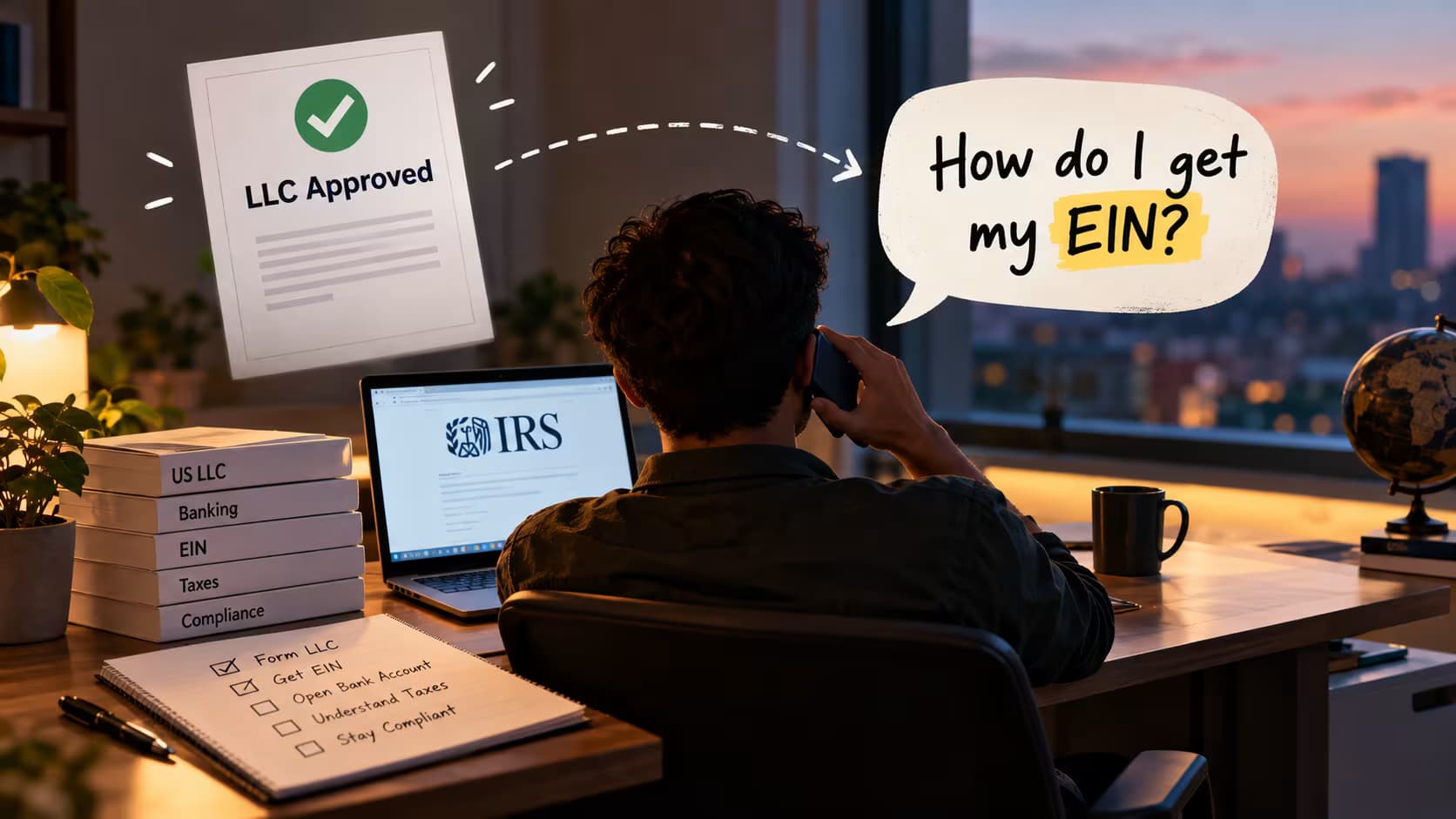
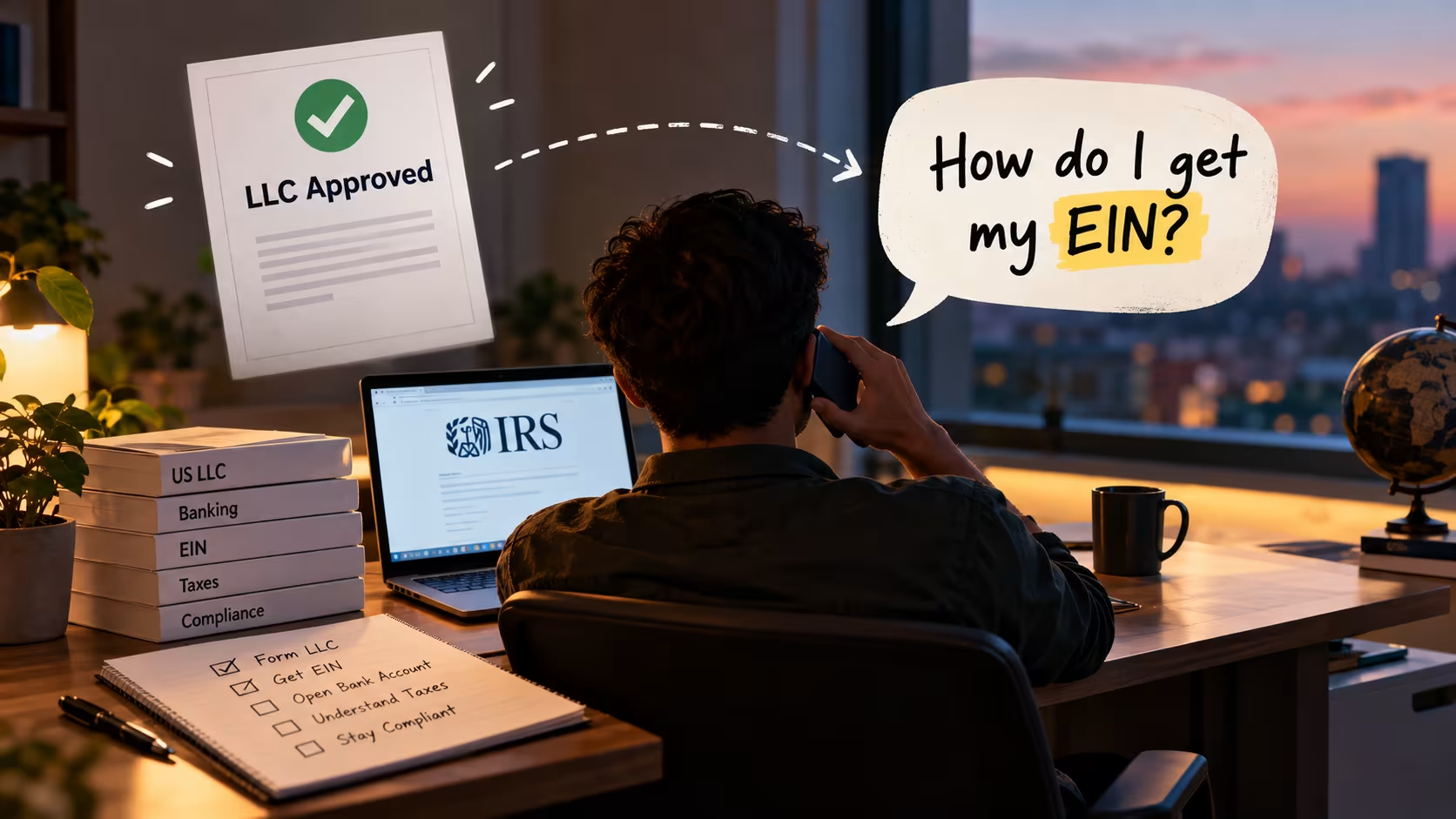
He Had His LLC. Then He Called Me With One Question: “How Do I Get My EIN?”
One thing I have learned from working with entrepreneurs is that getting a company registered and knowing how to operate it are two very different things. I have seen founders focus on choosing a state, comparing formation prices, and completing their LLC registration. But once the company is formed, another set of questions begins.
One question captures this perfectly: “I have my LLC. How do I get my EIN?”
If you are wondering how to get an EIN, this guide explains the IRS application process, the options available to non-US founders, and the difference between an EIN and other tax identification numbers. For many entrepreneurs, obtaining an Employer Identification Number (EIN) is an important next step after forming a US LLC, but the correct application method depends on their circumstances.
As the founder of FormLLC, I believe entrepreneurs should understand these steps before assuming their work is finished once their LLC is approved. Company formation is an important milestone, but preparing to operate the business requires a little more planning.
What Is an EIN, and Why Does Your LLC Need One?
An EIN is a nine-digit federal tax identification number issued by the Internal Revenue Service (IRS). Businesses use it for federal tax administration, reporting, and other relevant purposes. If you are asking what is an EIN, think of it as a tax identifier for a business or other eligible entity rather than a personal identification number.
An EIN may be needed for activities such as hiring employees, filing certain tax returns, and opening a business bank account, depending on the company's circumstances and the institution's requirements. However, forming an LLC does not automatically mean every business must obtain an EIN in every situation. The company's ownership, federal tax classification, and intended activities all matter.
For many founders establishing a US LLC, obtaining an EIN is an important next step. If you are still learning about the broader process, our US LLC formation guide for non-residents explains the basics of setting up a US company from outside the country. The next step is understanding which EIN application method applies to your situation.
How to Get an EIN: The IRS Application Process
When someone asks me how to get an EIN, my first recommendation is to understand the IRS process rather than immediately paying a third party. The IRS issues EINs free of charge, so there is no government application fee when you apply directly. The official IRS EIN application page explains the available methods and eligibility requirements.
How to Apply for an EIN Online
For eligible applicants, the simplest option may be to apply for an EIN online through the IRS website. Applicants must meet the IRS requirements for the online application, including requirements relating to the principal place of business, office, or agency. If the application is completed successfully, the EIN can generally be issued immediately.
However, the online application is not available to everyone. If your principal place of business, office, or agency is outside the United States, you generally cannot use the standard online EIN application. International applicants may instead need to apply by telephone, fax, or mail under the IRS procedures that apply to their circumstances.
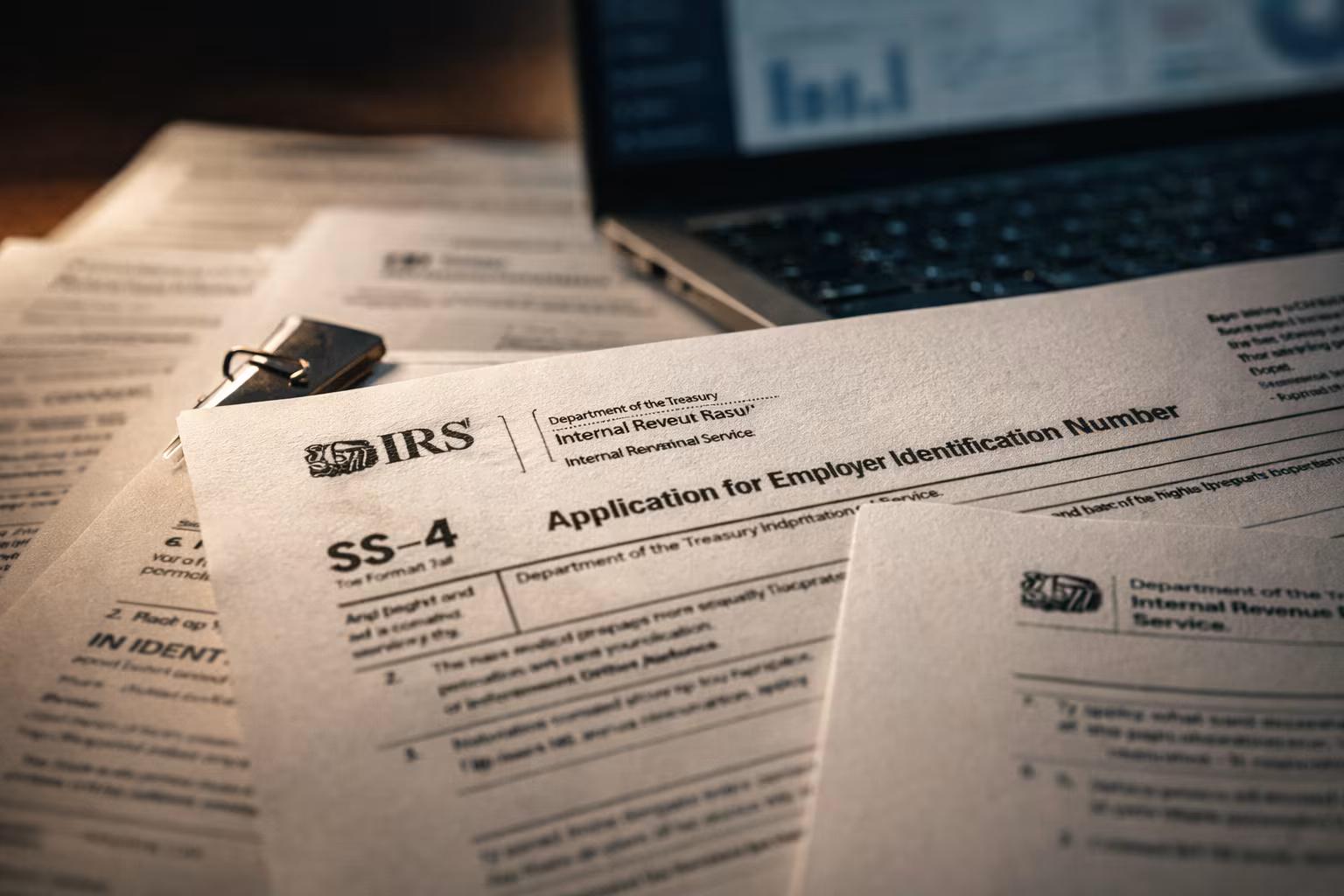
The relevant form for many applications submitted through these methods is Form SS-4, Application for Employer Identification Number. Read the current instructions carefully before completing the form, and confirm the appropriate submission method directly with the IRS.
How to Get an EIN Number for a Non-Resident
This is where many international entrepreneurs become confused. You may have successfully formed a Wyoming LLC or Delaware LLC while living in India, Bangladesh, Pakistan, the UK, or another country. Your company registration is complete, but you still need to determine how to obtain its federal tax identification number.
If you want to understand how to get an EIN number for a non-resident, start by reviewing the IRS instructions for international applicants. Depending on your circumstances, you may need to complete Form SS-4 and apply by telephone, fax, or mail. The IRS provides relevant details through its EIN information page.
You should also understand who qualifies as the responsible party, which information belongs on the application, and how the LLC is classified for federal tax purposes. Do not assume that every non-US founder follows exactly the same process. Having an LLC, living outside the United States, and not having a Social Security number can affect which application method is available.
If you do not have an SSN, our guide to EIN Without SSN: How to Get a US EIN explains this issue in more detail. Before purchasing a service that promises a particular turnaround time, make sure you understand what the service includes and whether it is appropriate for your situation.
EIN vs. Tax ID: Are They the Same Thing?
The terminology creates unnecessary confusion for many first-time founders. People search for tax ID vs EIN, EIN vs tax ID, and questions such as “Is an EIN the same as a taxpayer ID?” The distinction is simpler than it initially appears.
A Taxpayer Identification Number (TIN) is a general category of identification numbers used for tax purposes. An EIN is one type of TIN, specifically assigned to businesses and other eligible entities. So, is an EIN the same as a tax ID? In everyday business conversations, people often use “tax ID” when they mean an EIN. Technically, however, a tax ID can refer to several different types of taxpayer identification numbers.
Understanding EIN and tax ID terminology is useful when completing official forms, communicating with banks, or discussing requirements with an accountant. If a form requests a specific type of taxpayer identification number, do not assume that every number described informally as a tax ID will meet that requirement. Check which identifier the form actually asks for.
Is an EIN an ITIN?
An ITIN, or Individual Taxpayer Identification Number, is different from an EIN. It is issued to eligible individuals who need a US taxpayer identification number but are not eligible for a Social Security number. An EIN, on the other hand, identifies a business or other eligible entity.
If you are asking “Is an EIN an ITIN?”, the answer is no. They serve different purposes and are not interchangeable. An ITIN does not replace an EIN when a business needs its own EIN, and obtaining an EIN does not automatically mean the individual owner needs an ITIN.
For international founders, distinguishing between the company's identification requirements and the owner's personal tax obligations is particularly important. The right answer may depend on the LLC's classification, the owner's circumstances, and the tax rules that apply.
What Is an EIN Confirmation Letter?
Receiving your EIN is not the end of the process. You should also keep the official documentation confirming the number. When an EIN is assigned, the IRS generally provides an assignment notice known as the CP 575 notice. This is commonly what people mean when they ask for an EIN confirmation letter.
Keep this document in your permanent business records. A bank or another institution may request documentation to verify your company's EIN, and retaining the original notice can make future administrative tasks easier. Store it securely alongside your formation documents and other important business records.
If you have already received an EIN but need to confirm it later, the IRS provides options for EIN verification. Depending on your situation, you may be able to access an eligible digital CP 575 notice through Business Tax Account or request an EIN verification letter, commonly called Letter 147C. Review the IRS guidance on understanding your CP 575 notice for current information.
It is worth distinguishing between receiving an EIN for the first time and verifying an existing EIN. They are different tasks, and the appropriate process depends on the documentation you already have and the verification you need.
Is There a Free EIN Application Online?
Yes, the IRS offers a free EIN application online for eligible applicants. The government does not charge a fee to issue an EIN. Be cautious about websites that imply a government fee is mandatory or make it unclear whether their charge is for an optional service.
Third-party providers may charge for assistance with preparing an application, handling paperwork, or managing related administrative work. That service fee is separate from any government fee. Before paying a provider, understand exactly what it will do, whether it is authorised to act on your behalf, and which tasks remain your responsibility.
For non-US founders whose principal place of business, office, or agency is outside the United States, the standard IRS online application is generally unavailable. The relevant international application methods must be followed instead. Always check the latest IRS instructions before starting, because eligibility and application procedures matter more than promises of convenience.
EIN Application Mistakes to Avoid
One common mistake is assuming every applicant can use the IRS online application. International applicants whose principal place of business is outside the United States generally need to use another method. Check the current rules before starting your EIN application.
Another mistake is entering inconsistent or inaccurate information. The company's legal name, formation details, responsible-party information, and other answers should be accurate and consistent with the relevant records. If you are unsure how to complete a field, consult the IRS instructions rather than guessing.
Founders should also avoid confusing the EIN application with the company's wider tax and compliance responsibilities. Receiving an EIN does not automatically mean the business is tax-exempt, that a bank will approve an account, or that every filing requirement has been satisfied.
EIN Number Verification: What to Do If You Lose Your Records
If you have already received your EIN but cannot find the original notice, you may need EIN number verification rather than a new EIN application. Start by reviewing your business records and checking whether the original CP 575 notice was saved electronically or with your formation documents.
If the confirmation is unavailable, follow the IRS's current process for EIN verification or obtaining an EIN confirmation letter. Depending on your circumstances, the available options may include accessing an eligible digital notice or requesting Letter 147C. The IRS can explain which procedure applies to your situation.
Do not apply for a second EIN simply because you have misplaced the confirmation notice. First determine whether your company already has an EIN and follow the appropriate verification process.
What I Want Every Founder to Understand
The question “How do I get my EIN?” represents something bigger than a form or a nine-digit number. It highlights the gap between forming a company and being prepared to operate it.
Once your LLC is registered, you may still need to understand your EIN, banking requirements, payment options, tax obligations, annual compliance, and recordkeeping responsibilities. Not every business needs every service, and not every founder needs the same structure. The right decisions depend on the company's activities, ownership, location, and legal and tax circumstances.
For example, founders should understand that banking approval and tax compliance are separate from obtaining an EIN. Our guide to opening a US bank account as a non-resident LLC owner explains some of the considerations involved in business banking. Foreign-owned LLCs may also have specific reporting responsibilities, including Form 5472 requirements in certain circumstances; our guide to Form 5472 for foreign-owned US LLCs explores that topic in more detail.
At FormLLC, this is why I believe company formation should be approached as the beginning of a business journey, not the finish line. If you are planning to establish a US LLC, take time to understand the steps that follow registration. If you already have your company, identify what remains outstanding and use reliable sources to complete those steps correctly.
Getting your LLC approved is an important milestone. Understanding what comes next is what helps you move forward with confidence.
This article is for general informational purposes only and does not constitute legal, tax, or financial advice. Tousif Akram and FormLLC are not a law firm or CPA firm. Consult a licensed professional for advice specific to your situation.
Ready to Form Your US LLC?
Free 30-minute consultation with no obligation and no sales pressure.
Book Free Call