Keeping Promises in Business: How to Build Customer Trust

Tousif Akram
IRS CAA | Founder, FormLLC
Why Keeping Promises in Business Is Essential for Building Trust
When I think about keeping promises in business, I don't think only about delivering a service on time or completing what was written in an agreement. I think about the trust someone places in you when they decide to become your customer. Over the last four years of building FormLLC, I've learned that making a promise is easy. Keeping promises in business consistently is much harder because it requires the right people, processes, communication, and ability to deliver.
When I started working with clients, I naturally wanted to help as much as possible. I enjoyed understanding their problems, finding solutions, and making sure they were satisfied with the work. As the business grew, however, I began to see that good intentions alone weren't enough. A promise has to be supported by actions, and customers should be able to rely on what a business tells them.
For me, keeping promises is no longer just about customer service. It is about building a business that people can trust, even as the team, responsibilities, and number of customers grow.

A Promise Begins Before the Customer Pays
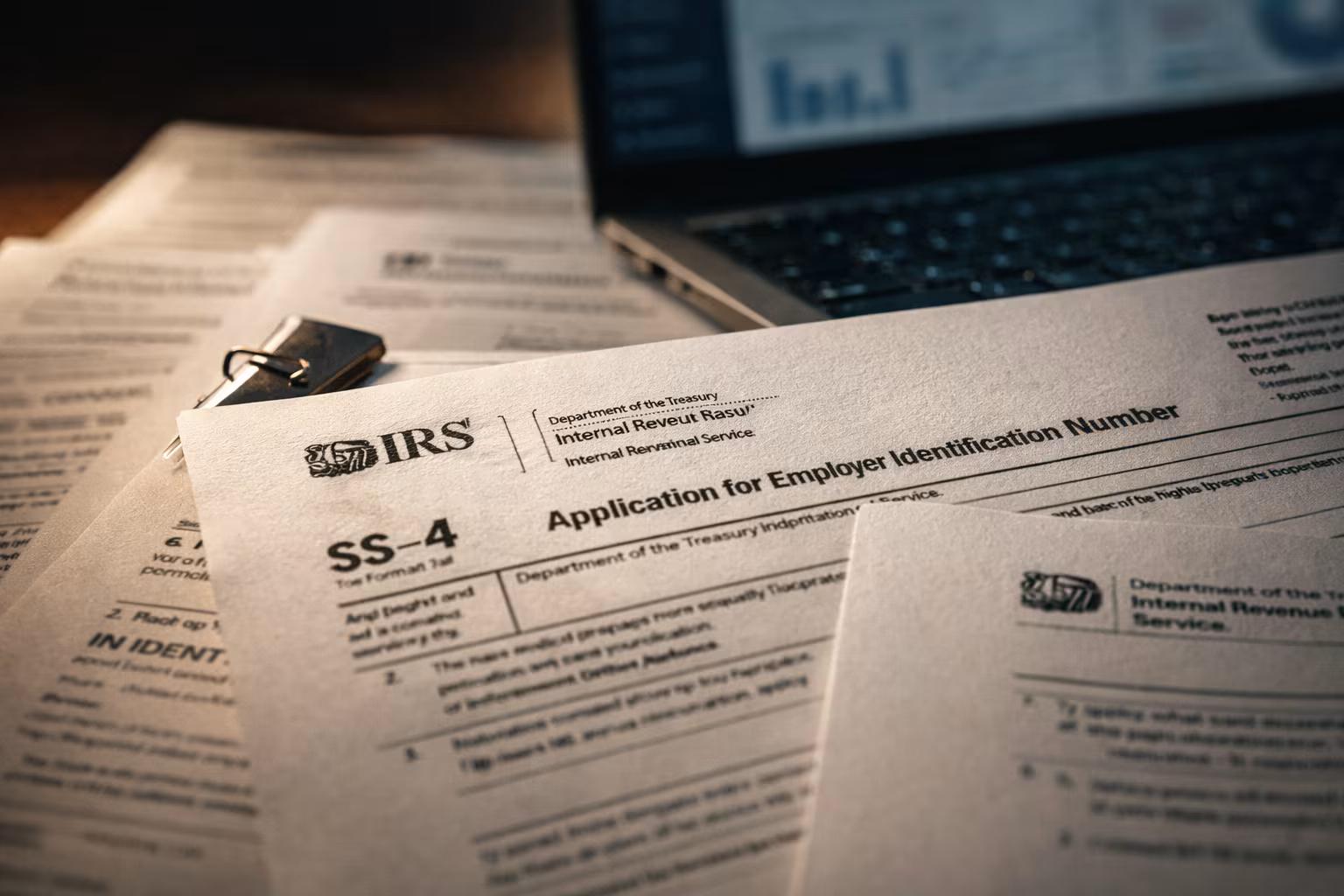
One thing I've become more conscious of is how much responsibility starts during the first conversation with a customer. When someone contacts FormLLC, they often have a specific outcome in mind. They might want to establish a US company, obtain an EIN, understand the next steps, or prepare their business to work with international customers.
It's tempting for a service business to focus on giving the customer the answer they want to hear. But I've learned that this can create problems later if the answer isn't realistic. Making an attractive promise during a sales conversation means very little if the business cannot fulfil it afterward.
For example, some parts of company formation are within our control, while other processes depend on government agencies, financial institutions, or external platforms. I don't think it is responsible to guarantee an outcome or timeline when another organization has control over it.
I'd rather explain what we can do, what depends on someone else, and what the customer should realistically expect. It might not always be the most attractive answer, but it gives the customer a clearer understanding before they make a decision. Keeping promises in business starts with making realistic commitments from the beginning.
Set Realistic Expectations From the Beginning
I believe the customer experience starts with honest communication. If someone is setting up a US company from another country, they may also have questions about obtaining an EIN without an SSN or understanding the wider US LLC formation process for non-residents.
Explaining these steps helps customers understand that company formation is part of a broader process. It also gives them a more realistic picture of what to expect instead of allowing assumptions to turn into disappointment later.
Keeping Promises Means Understanding What You Can Control
As I gained more experience, I started paying closer attention to the difference between a commitment and an expectation. A commitment is something your business has agreed to do and can take responsibility for. An expectation may involve factors that are outside your control. Confusing the two can lead to misunderstandings and disappointment.
In a business like FormLLC, this distinction matters. We can work to prepare documents carefully, communicate with customers, explain processes, and guide them through the services we provide. But we cannot control every government processing time, bank approval, or third-party decision.
This doesn't mean avoiding responsibility. It means being precise about where that responsibility begins and ends. We should take ownership of the work we agree to perform while being transparent about decisions and timelines that depend on external organizations.
I believe customers appreciate honesty when it is communicated properly. They may not always like waiting or hearing that something depends on an external process, but they deserve to understand the situation rather than receive an unrealistic assurance.
Take Responsibility Without Promising What You Cannot Control
There is an important difference between helping a customer through a process and guaranteeing its final outcome. A business can explain requirements, prepare the necessary information, and provide guidance without claiming to control every decision made by another organization.
For example, international founders may need to understand ongoing compliance responsibilities after establishing a company. Explaining resources such as the Form 5472 filing requirements for foreign-owned LLCs can help customers understand an important part of their responsibilities without suggesting that every situation is identical.
For me, this is what responsible service looks like: being helpful, giving clear information, and staying honest about the limits of what the business can promise.
Growing a Business Makes Every Promise More Important
In the early stages of a business, the founder is often involved in almost everything. You speak directly with customers, understand their concerns, and personally follow up on many tasks. As the business grows, that approach becomes harder to maintain.
Building FormLLC taught me that I couldn't rely only on personal effort to deliver a consistent customer experience. A promise made by one person eventually becomes a responsibility for the wider team.
That requires clear processes. The team needs to understand what has been promised, what needs to be delivered, and how to handle situations when something changes. Otherwise, a customer might receive one explanation from one person and a different explanation from someone else.
I started seeing systems differently. They aren't just internal business procedures. They help make sure that the experience we promise customers is actually delivered, even when I'm not personally handling every interaction. This is an important part of keeping promises in business as the company grows.
Build Systems That Help Your Team Deliver Consistently
As a business grows, important information cannot remain only in the founder's memory or in individual conversations. Customer expectations, service responsibilities, timelines, and follow-up tasks need to be communicated clearly across the team.
When everyone understands what has been agreed upon, it becomes easier to maintain consistency. It also reduces the chances of missed updates, conflicting information, or commitments that no one has taken responsibility for.
I've learned that building reliable systems doesn't make customer service less personal. It makes it possible to provide the same level of attention more consistently as the business grows.
What Happens When Something Doesn't Go as Planned?
I don't believe any growing service business will get everything right every time. Processes can fail, information can be misunderstood, and unexpected situations can arise. What matters is how the business responds.
One lesson I've learned is that ignoring a problem rarely makes it smaller. If something is delayed or a customer is confused, communication should happen as early as possible. If we have made a mistake, we should understand what happened and take responsibility for the part that belongs to us.
There is a difference between explaining a limitation and making an excuse. Customers don't necessarily expect every situation to be perfect, but they do need clarity about what is happening and what can be done next.
I've come to believe that the way a business handles a difficult conversation can reveal more about its values than the way it handles an easy transaction. Keeping promises in business also means addressing problems honestly when something goes wrong.
Communicate Early and Be Honest About Mistakes
When something changes, customers should not have to chase the business for basic information. A timely update can help them understand the situation, even when there is no immediate solution.
I also believe that taking responsibility matters when the business makes a mistake. Instead of trying to avoid an uncomfortable conversation, it is better to explain what happened, clarify what can be done, and follow through on the next steps.
This approach may not remove every inconvenience, but it helps preserve trust. Customers can understand that unexpected problems happen; what matters is whether the business handles them honestly and responsibly.
Why I No Longer Think of Promises as Marketing
Marketing helps people discover a business, but the actual experience determines whether the business deserves their trust. A company can have an attractive website, competitive pricing, and convincing sales messages. But if the experience after payment doesn't match what was communicated, those things lose their value.
I've always wanted FormLLC to be built around genuine customer value rather than simply convincing people to purchase a service. That means being careful about what we claim, explaining limitations, and not presenting every situation as simple when it isn't.
It also means understanding that a customer may need help beyond the initial transaction. As I've written in why customers don't really want just a US LLC, company formation is often only the beginning of what a founder needs to understand.
That perspective has influenced how I think about our responsibilities. We should help customers understand the service they are purchasing and avoid creating expectations that we cannot fulfil. I would rather build confidence through a consistent customer experience than rely on promises that sound impressive but are difficult to deliver.
Let the Customer Experience Support Your Words
A business earns trust when its actions match its communication. If the website explains a service clearly, the sales conversation sets realistic expectations, and the team follows through on the agreed work, customers receive a more consistent experience.
This is why I see marketing and service delivery as connected responsibilities. What a business says before payment should make sense in light of what it actually delivers afterward.
The Lesson I Want to Carry Forward
Four years of building FormLLC have taught me that trust isn't created by making bigger promises. It comes from making thoughtful commitments and consistently working to fulfil them.
I still believe in going beyond what a customer expects when we can genuinely make their experience better. But I also believe that a business should never promise something simply because it sounds good in a sales conversation.
If I had to give one piece of advice to someone building a service business, it would be this: be careful with your words, but even more careful with the systems behind them. Make sure your team understands what customers have been promised. Communicate when circumstances change. And never let the pressure to make a sale become more important than the responsibility to deliver.
I think about this often when I look back at my own journey, from working with individual clients to building a company that serves entrepreneurs across different countries. The scale has changed, but the basic responsibility hasn't.
A customer should not have to wonder whether your business will stand behind what it said. That's the kind of business I want to keep building, and it's a lesson I intend to carry into the years ahead.
This article is for general informational purposes only and does not constitute legal, tax, or financial advice. Tousif Akram and FormLLC are not a law firm or CPA firm. Consult a licensed professional for advice specific to your situation.
Ready to Form Your US LLC?
Free 30-minute consultation with no obligation and no sales pressure.
Book Free Call