My Entrepreneurship Journey: Why I Chose My Own Path

Tousif Akram
IRS CAA | Founder, FormLLC
Why I Dropped the Traditional Path and Chose to Build My Own
My entrepreneurship journey did not begin with a business plan, a startup idea, or a clear vision of the company I wanted to build. For most of my early life, I thought there was a fairly straightforward path to building a good life: study, get a degree, find a job, work hard, and build stability. That was the path I saw around me growing up in Bihar, and there is absolutely nothing wrong with it. For many people, it is the right path. But somewhere along the way, I started wondering whether it was the right path for me.
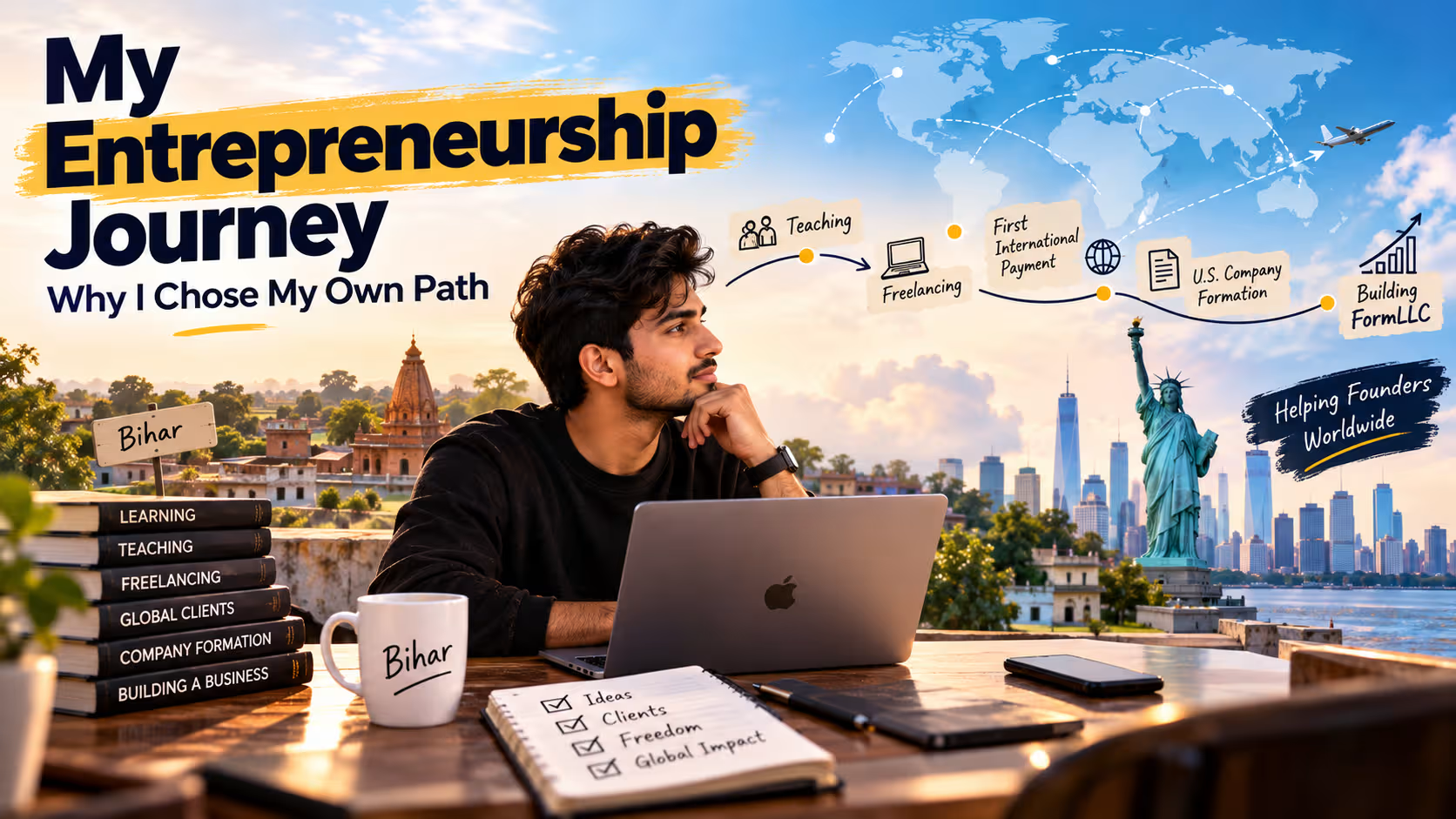
I didn't have a detailed business plan. I didn't know that I would eventually build FormLLC, work with entrepreneurs from more than 50 countries, become an IRS Certified Acceptance Agent, or build a team around a business serving international founders. I simply knew that I wanted to try creating my own opportunities. That decision started with something very ordinary: I started teaching students. It eventually led to freelancing, and then came my first international payment of around $20. That small payment changed the way I thought about work, geography, and what might be possible from where I lived.
Looking back, I don't think I rejected the traditional path because I believed it was bad. I chose something different because I wanted to find out what I could build.
I Didn't Start With the Word "Entrepreneur"
Today, it is easy to look backward and describe my entrepreneurship journey as entrepreneurship. But I didn't think that way when I started. I was simply trying to become independent. While I was in Class 11, I started teaching students. Eventually, I also ran a small coaching centre. At around 18, I was already trying to earn money to manage my own expenses.
At that age, I wasn't thinking about startups, venture capital, company formation, or building a global business. I was thinking about work. I wanted to know whether I could take something I knew and turn it into value for someone else. Teaching gave me my first real lesson in that, and it became an early foundation of my entrepreneurship journey.
You can know a subject very well and still fail to teach it effectively. The person you're helping may not understand your explanation. They may need a different example, or they may be struggling with something you assumed was easy. You have to listen, adjust, and understand the other person's problem before you can solve it. I didn't know it at the time, but that lesson would become extremely important later when I started working with customers.
I Started Learning From Real People Instead of Only From Classrooms
There is a particular kind of learning that happens when someone is depending on you. A student is depending on you to explain something. A client is depending on you to deliver something. A customer is depending on you to solve a problem. You can't simply say, "I understand the theory." They need the result.
That was something I started appreciating more and more. I became interested in practical learning. I wanted to know: Can I actually do this? Can I solve this? Will someone pay for it? Can I make the process better? Can I do it again? That mindset eventually pushed me toward freelancing, and freelancing became one of the most important stages of my entrepreneurship journey.
The Internet Showed Me a Different Definition of Opportunity
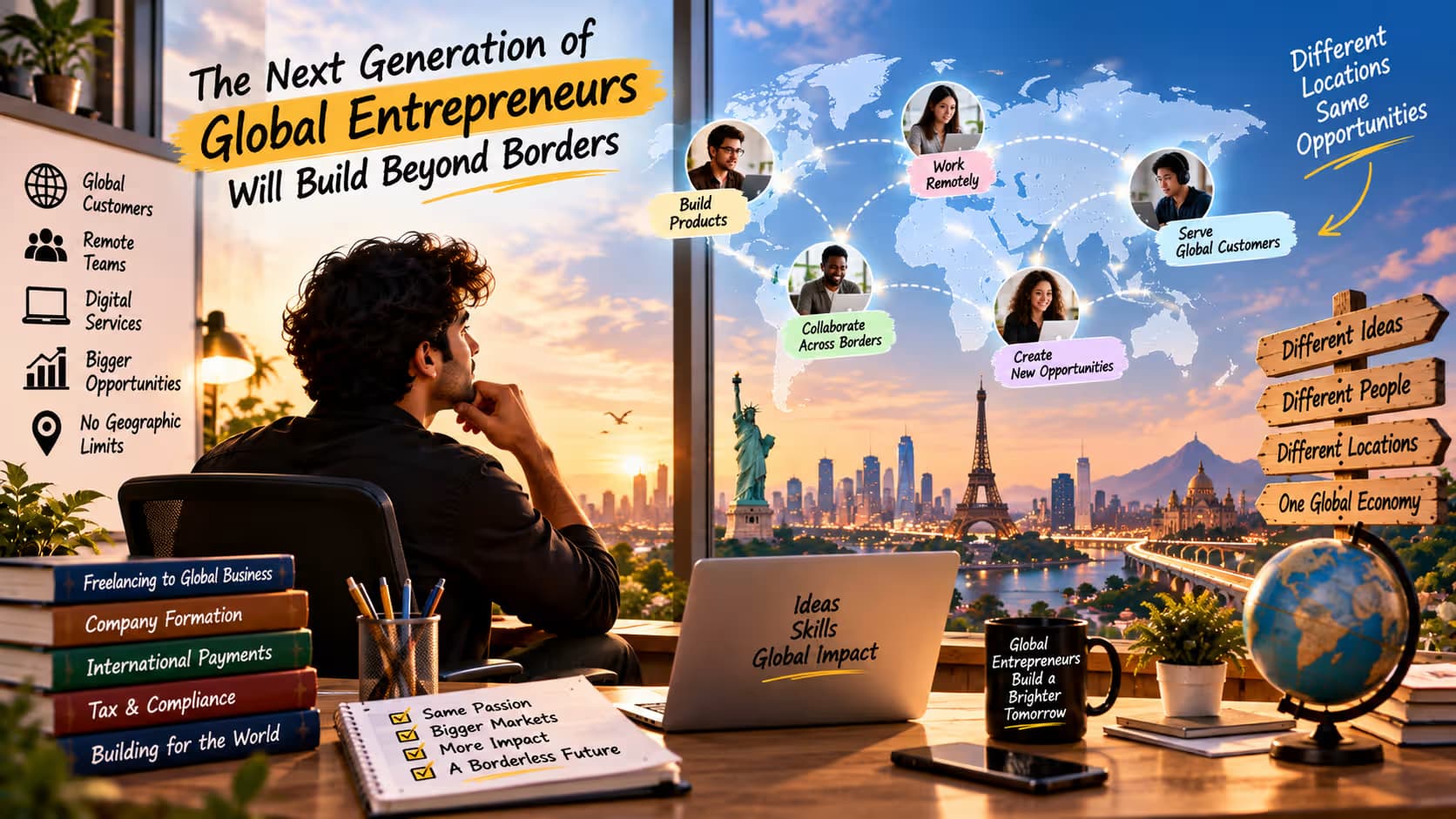
When I discovered platforms like Fiverr, I realized something that sounds obvious today but felt revolutionary to me at the time: my customer didn't have to be nearby. I could be in Bihar while my customer could be thousands of kilometres away. They could have a completely different background, and we might never meet in person. Yet I could still create something valuable for them.
That changed the way I thought about geography and became an important turning point in my entrepreneurship journey. Before that, opportunity felt connected to location. You looked around your city and asked what jobs were available, what businesses were nearby, who you knew, and what you could realistically do from where you lived. Freelancing gave me another question: Who can I help, regardless of where they live?
That was a much bigger question, and I liked it.
The $20 Payment That Changed My Thinking
My first international payment was around $20. Financially, it wasn't a huge amount, but I still remember what it represented. Someone somewhere else in the world had decided that something I could do was worth paying for. They didn't care that I was sitting in a small village in Bihar. They cared about whether I could solve their problem.
I wrote more about this experience in the $20 payment that changed how I thought about business.
That was a powerful realization and one of the first major turning points in my entrepreneurship journey. It made me think that if one person could find me online, perhaps another person could too. If I could serve one international customer, perhaps I could serve ten. If I could sell a service internationally, perhaps I could eventually build a business around a larger problem.
I didn't know where the journey would lead, but I had discovered something important: the internet could make the world feel much bigger than the place where you lived.
That $20 became one of the most important payments I've ever received. Not because of the money, but because of what it taught me.
I Started Enjoying the Customer Side of Business
Freelancing also showed me something about myself. I liked talking to customers. I liked understanding what they wanted. I liked figuring out what was actually causing a problem, and I often wanted to do more than what had originally been agreed if I believed it would make the customer happier.
That became a recurring pattern in my work. I wasn't just interested in completing the task. I wanted to understand the outcome. What was the customer really trying to accomplish? Why did they need this? What would make the result more useful? What problem were they actually trying to solve?
Those questions eventually became incredibly important in my entrepreneurship journey, especially when I started working with entrepreneurs because founders rarely come to you with only one problem. They may ask for one thing, but behind that request is usually a much bigger goal.
That's How I Started Seeing the Bigger Problem
As my entrepreneurship journey developed, I worked with more international clients and started encountering entrepreneurs who wanted to build businesses in the United States. At first, company formation seemed like a straightforward problem. Someone needed a U.S. company, so you helped them form it. Simple.
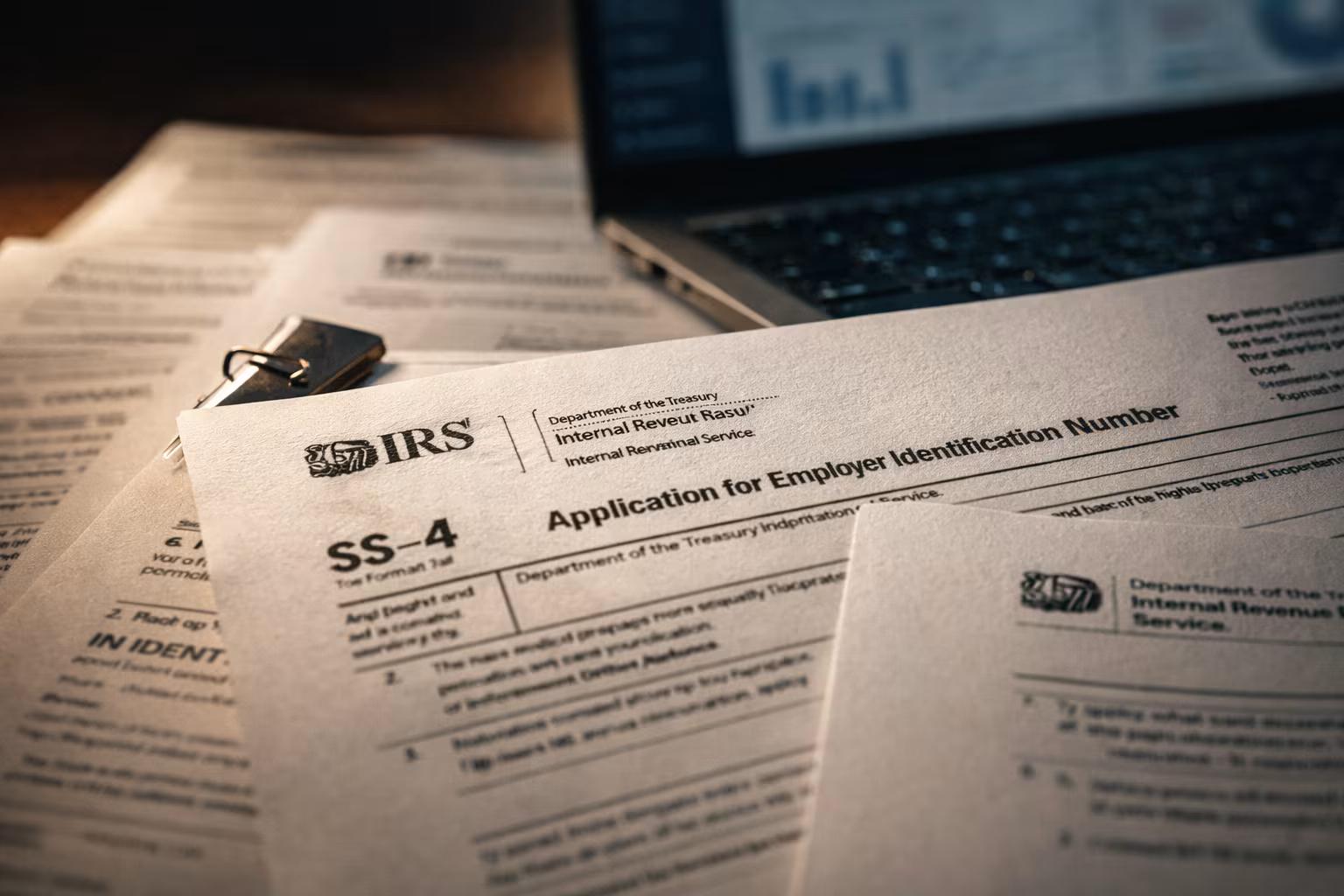
But the more founders I spoke with, the more complicated the actual journey became. After formation came questions about EINs, then banking, payments, compliance, tax-related questions, annual requirements, and what happens when the business grows.
I realized something: people weren't really looking for an LLC. They were looking for a way to build a business.
That distinction eventually became one of the foundations of FormLLC. The formation document was only one piece of a much larger puzzle.
FormLLC Wasn't the Result of a Perfect Plan
I think people sometimes imagine that entrepreneurs start with a complete vision. They imagine the founder sitting down and saying, "I am going to build this company, serve these customers, reach this scale, and offer these products."
That wasn't my experience.
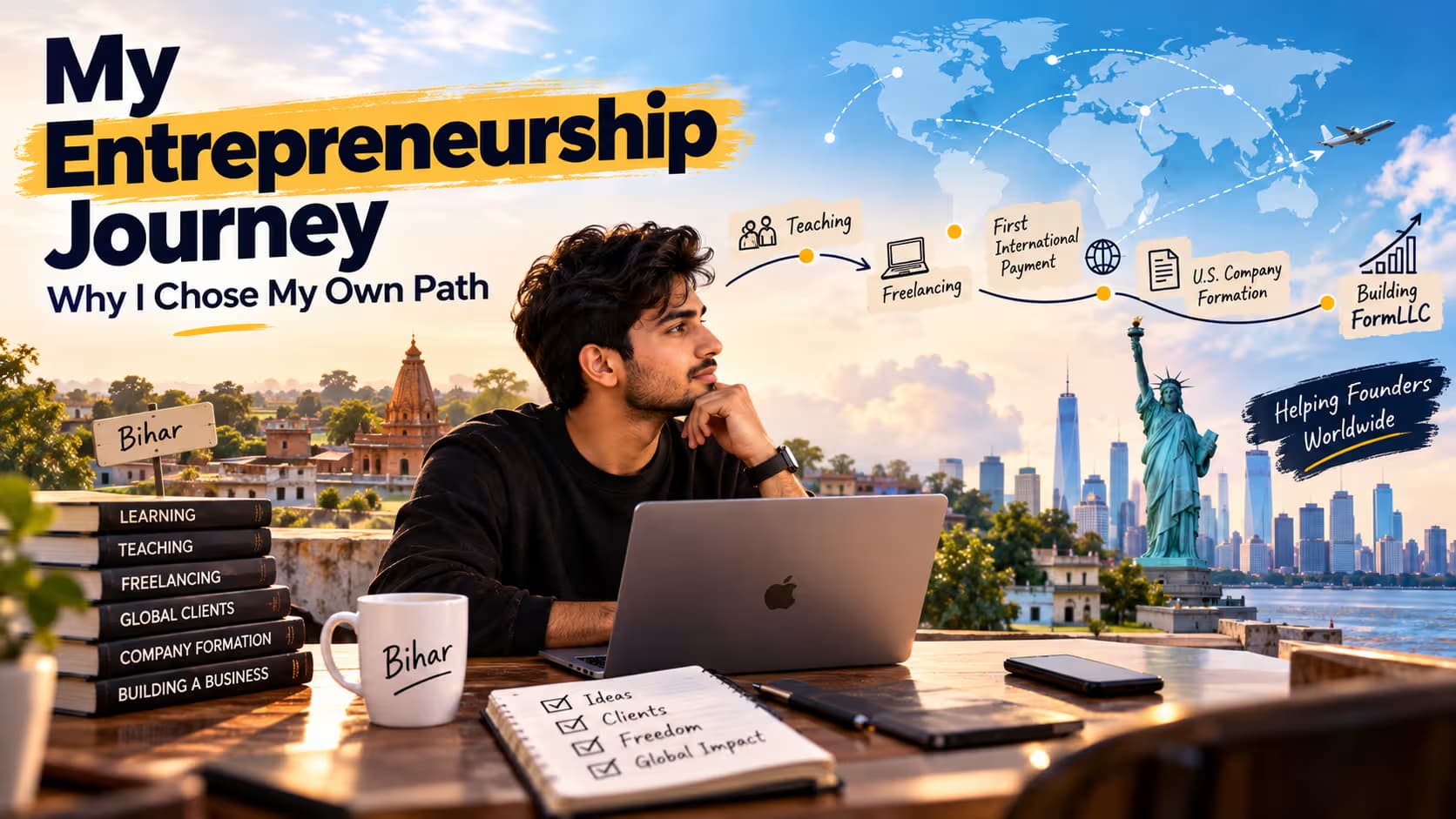
My entrepreneurship journey was much more incremental than I ever imagined. Teaching led to freelancing. Freelancing led to international customers. International customers exposed me to new problems. Those problems led me to company formation. Company formation led to more conversations with founders. Those conversations revealed a much bigger need, and eventually, that became FormLLC.
I didn't have the entire map. I discovered the next part of the map by taking the previous step.
That is something I now tell myself whenever I face a new business decision: you don't always need to know the entire path. Sometimes you just need to understand the next step.
Why I Chose to Build Instead of Simply Keep Freelancing
Freelancing gave me freedom. It also gave me something more important: confidence. I learned that I could create value without being dependent on a traditional employer. I could find customers, communicate with people internationally, earn from my skills, and solve problems.
But eventually, another important stage of my entrepreneurship journey began: I started thinking about scale. If I personally did every task, there would always be a limit to how many customers I could help. If I built systems, perhaps I could help more. If I built a team, perhaps we could help even more. If I built a company around the problem, perhaps the solution could exist beyond me.
That was the moment my thinking started changing from "How can I make money from this skill?" to "How can I build something around this problem?"
That is a very different mindset.
Entrepreneurship Gave Me Ownership
One of the biggest attractions of entrepreneurship for me was ownership. Not just ownership of a company, but ownership of the decision. If something worked, I could learn from it. If something failed, I had to understand why. If customers were unhappy, I couldn't simply blame another department. If marketing didn't work, I had to rethink it. If I hired the wrong person, I had to learn from that decision. If I spent money in the wrong place, it was my responsibility.
That can be uncomfortable, but I liked the direct connection between action and consequence. There was less distance between a decision and its result, and I think that suited the way I learn.
But Entrepreneurship Is Not Freedom Without Responsibility
This is something I understood much later. When people talk about entrepreneurship, they often talk about freedom: choosing your own hours, being your own boss, building your own company, or working from anywhere. Those things can be real, but there is another side.
When you become the person making the decisions, you also become responsible for the consequences. Customers depend on you. Employees depend on you. Partners depend on you. The company's reputation depends on you. Cash flow depends on you. Eventually, other people's livelihoods may depend on the decisions you make.
That changes the meaning of freedom. You're free to decide, but you're also responsible for the decision.
I Made Plenty of Mistakes
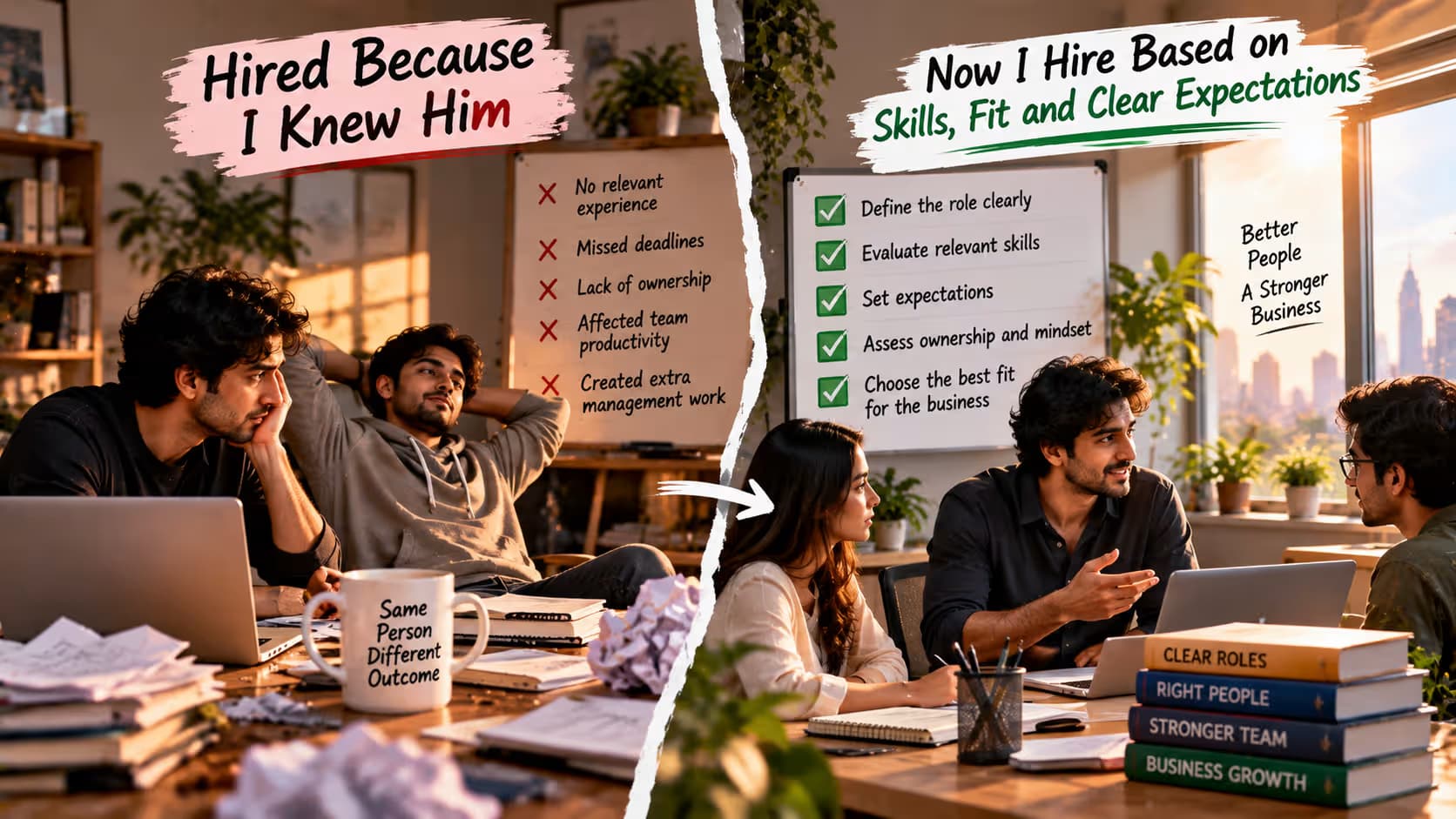
Choosing entrepreneurship didn't suddenly make me good at business. I made mistakes. I spent too much on Google and Meta advertising before the business had enough sales capacity. I built tools that customers didn't really need. I hired someone I knew personally and later regretted that decision. I tried to package too many things together, and I sometimes treated business relationships too informally. There were customers who didn't pay, and there were decisions I thought were smart at the time that turned out not to be.
Those experiences were painful, but they taught me some of the most important lessons of my entrepreneurship journey.
One of the biggest lessons was simple: being able to build something doesn't mean you should build it.
Sometimes the best business decision is not to launch another feature, spend another dollar on advertising, hire another person, create another product, or chase another opportunity. Sometimes the right decision is to focus.
I Learned to Listen to the Market
This became especially important as FormLLC grew. It's easy for a founder to fall in love with an idea, but customers don't have to love your idea. They have to find it useful.
That distinction changed how I approach business. Instead of asking, "Do I think this is a great idea?" I increasingly ask, "Does the customer actually need this? Are they willing to pay for it? Does it solve a problem? Does it make their life easier? Will they use it?"
Those questions are much less exciting than dreaming about a giant company, but they are usually much more useful.
I Also Stopped Thinking That Entrepreneurship Means Doing Everything Yourself
In the beginning, independence meant doing everything myself: sales, customer support, operations, research, marketing, and problem solving. Everything.
But a company can't scale that way. Eventually, you need systems. Then you need people. Then you need processes that work even when you're not personally involved.
That was another major transition in my entrepreneurship journey. I had to learn that building a company isn't about proving that I can do everything. It's about creating something where good people can do important work together.
That eventually changed my definition of leadership too. I wrote more about that transition in "The Day My Business Stopped Being Only About Me."
Building FormLLC Made the Decision Feel Bigger
When I started FormLLC in 2020, I was solving a problem I had repeatedly seen among non-U.S. founders. The process of establishing a U.S. business could be confusing, especially for people outside the United States who didn't have a Social Security number and weren't familiar with the system.
That problem felt familiar to me. I was also outside the U.S., and I knew what it felt like to look at a foreign business system from the outside and try to understand how everything worked.
Over time, FormLLC developed from the early Fiverr-based work into a larger business. I obtained IRS Certified Acceptance Agent status, and Bizfylr Solutions Pvt Ltd was incorporated in India in 2024 to formalize the India-side operation and support team expansion. In March 2026, FormLLC recorded more than 5,000 founders served across 50+ countries.
But those milestones weren't part of the original plan. They were consequences of continuing to solve the next problem in my entrepreneurship journey.
My Traditional Career Path Wasn't "Wrong"
I want to be very clear about this. This isn't an article arguing that everyone should quit college. It isn't an argument that employment is bad. It isn't an argument that entrepreneurs are more ambitious than employees, and it isn't an argument that starting a business is always the better decision.
There are many people who build extraordinary careers inside companies. There are people who use education to become doctors, engineers, researchers, lawyers, teachers, and professionals who make enormous contributions. There are founders who benefit enormously from formal education, and there are also founders who take unconventional paths.
Different people need different paths.
My decision was simply based on what I wanted to explore through my entrepreneurship journey. I wanted to learn by doing. I wanted to work directly with customers. I wanted to test my skills in the market. I wanted to see whether I could create something of my own.
That was my reason. It doesn't have to be yours.
What I Would Tell Someone Who Wants to Leave the Traditional Path
If someone younger came to me today and said, "I don't think the traditional path is for me," I wouldn't immediately tell them to quit everything. I'd ask them questions.
What do you want to build? What problem can you solve? Who needs that solution? Have you actually talked to those people? Can you earn even a small amount from solving the problem? What happens if the idea doesn't work? Do you have enough runway to experiment? What are you willing to sacrifice?
Those questions matter because entrepreneurship isn't simply the absence of a boss. It is the presence of responsibility.
Start Before You Feel Completely Ready
One thing I wish I understood earlier in my entrepreneurship journey is that you rarely feel fully prepared. When I started teaching, I wasn't prepared to become a founder. When I started freelancing, I wasn't prepared to build a company. When I worked with my first international clients, I wasn't prepared to understand global business.
I learned by doing.
That doesn't mean you should act recklessly. It means you don't need perfect knowledge before taking a reasonable first step. You can learn. You can test. You can adjust. You can ask for help. You can change direction. You can start again.
The ability to change direction is one of the greatest advantages of being early.
Don't Confuse a Different Path With a Better Path
This is probably the most important thing I would say.
When you choose an unconventional path, it is tempting to believe that you've discovered something better than everyone else. I don't think that is true. You've simply discovered something that may fit you better.
Entrepreneurship suited the way I wanted to learn and work. It doesn't automatically suit everyone.
The goal isn't to reject the traditional path. The goal is to understand yourself well enough to choose deliberately. That's a much healthier way to think about career decisions.
What My Entrepreneurship Journey Taught Me
When I look back now, I realize that I didn't really choose entrepreneurship on one particular day. My entrepreneurship journey was shaped by a series of small choices. I chose to teach. I chose to earn independently. I chose to try freelancing. I chose to work with international customers. I chose to keep learning from customers. I chose to build around a problem. I chose to start FormLLC. I chose to keep going after mistakes.
Each decision created the conditions for the next one.
That's how most meaningful journeys work. They don't feel meaningful while you're living them. They feel like ordinary decisions. Only later do you see how they connected.
From a Small Village in Bihar to Building for the World
Sometimes I think about the distance between where I started and where I am today. I grew up in Bihar. I started teaching students. I tried to earn my own money. I discovered freelancing. I received a roughly $20 international payment. I started working with people outside my country. Eventually, I built FormLLC.
Today, I have the privilege of working with founders across dozens of countries. My entrepreneurship journey didn't happen because I had a perfect plan. It happened because I kept taking the next opportunity seriously.
That is why I don't think the most important question is, "Where are you starting from?"
I think the more useful questions are: "What can you learn? What problem can you solve? Who can you help? What can you build from where you are?"
Those questions changed my life.
I Still Don't Know Exactly Where This Path Ends
That's probably the part I like most. I am still building, still learning, still making mistakes, still changing my mind, and still discovering problems worth solving.
FormLLC today is much bigger than the business I started years ago, but I don't think of the journey as finished. If anything, the questions have become bigger.
How do we make global business infrastructure easier to understand? How do we help more entrepreneurs operate responsibly across borders? How do we build a company that creates opportunities for the people working inside it? How do we keep customer trust as we grow? How do we build something that lasts?
I don't have all the answers, and I've become comfortable with that.
Why I Chose to Build My Own Path
If I had to explain my decision in one sentence, it would be this: I didn't choose entrepreneurship because I knew exactly what I wanted to build. I chose it because I wanted the freedom to discover what I could build.
My entrepreneurship journey started with teaching. Then came freelancing. Then one small international payment. Then another customer. Then another problem. Then another lesson. Eventually, those small decisions became FormLLC, and FormLLC became something much bigger than the business I originally imagined.
Today, I don't look back and think, *"I was right to reject the traditional path."*
I think something simpler:
I found a path that made sense for me.
And I'm grateful I had the courage to try it.
Because sometimes the biggest opportunity isn't waiting somewhere else. Sometimes you have to build your own path to reach it.
About Tousif Akram
I'm Tousif Akram, founder of FormLLC. I started my entrepreneurship journey in Bihar, India, through teaching and freelancing before building a business focused on helping international founders establish U.S. businesses.
Today, FormLLC has helped more than 5,000 founders across 50+ countries. I am also an IRS Certified Acceptance Agent.
I write about entrepreneurship, global business, U.S. company formation, compliance, leadership, and the lessons I learn while building a company from India for founders around the world.
This is my personal experience, not a formula that everyone should follow.
*Disclaimer: This article reflects my personal experience and opinions as a founder. It is not legal, tax, accounting, employment, or financial advice. Business and regulatory requirements vary based on individual circumstances and jurisdiction. Consult an appropriately licensed professional when you need advice specific to your situation.*
This article is for general informational purposes only and does not constitute legal, tax, or financial advice. Tousif Akram and FormLLC are not a law firm or CPA firm. Consult a licensed professional for advice specific to your situation.
Ready to Form Your US LLC?
Free 30-minute consultation with no obligation and no sales pressure.
Book Free Call