His First Business Failed: Starting a Business After Failure in America

Tousif Akram
IRS CAA | Founder, FormLLC
His First Business Failed. His Second One Started in America
Starting a business after failure can feel like starting from zero. The first business didn't work. There was an idea, there was effort, and there were probably long days, difficult decisions, and plenty of hope that things would eventually turn around. But they didn't.
For many people, that would be the end of the story. For an entrepreneur, sometimes it becomes the beginning of a much better one.
I've seen founders go through this transition. The first business teaches them things that success often doesn't teach as quickly: what customers actually want, where money gets wasted, which promises are difficult to deliver, which people they should hire, and which opportunities aren't worth chasing.
That is why starting a business after failure is not necessarily starting from zero. You may be starting with something much more valuable: experience.

Starting a Business After Failure Changes the Way You See Business
When your first business fails, you don't walk away with nothing. You walk away with information. The question is whether you know how to use it.
The SBA's guidance on recovering from business setbacks recommends acknowledging what happened, understanding the cause, fixing the underlying problem, and treating the experience as a learning opportunity rather than simply dwelling on it.
That sounds simple. In reality, it can be difficult because entrepreneurs often remember the emotional part of failure more clearly than the business lesson.
"I lost money." "The customers didn't come." "My partner didn't work out." "The product didn't sell."
But the more useful question is:
Why?
That question is where the next business begins.
The Best Failed Business Lessons Are Specific
One of the biggest failed business lessons I have learned is that saying "the business failed" isn't specific enough.
Maybe the market was too small. Maybe the pricing was wrong. Maybe customer acquisition was too expensive. Maybe the founder built something people didn't really need. Maybe the business expanded before the fundamentals were working. Maybe there wasn't enough cash to survive the learning period.
Each of those requires a different response.
You cannot fix a vague failure. You have to identify the actual problem.
And I think this is particularly important for an entrepreneur after business failure. The goal isn't to forget what happened. The goal is to understand it accurately.
Starting Over Doesn't Mean Repeating the Same Business
When people talk about starting over after business failure, they sometimes imagine the entrepreneur simply going back to work on the same idea with more determination.
I don't think that's always the smartest approach.
Sometimes the second business should be completely different. Sometimes it should serve a different customer. Sometimes the founder should change the pricing. Sometimes the geography should change. Sometimes the business model itself needs to change.
The important thing is that the second attempt should contain something the first attempt didn't have: a better understanding of the market, better financial discipline, better customer research, better positioning, or simply the courage to admit that the original idea wasn't the right one.
His Second Business Started With a Different Question
Imagine an entrepreneur whose first business was built around a local market. It failed. Years later, he finds himself thinking about starting again.
But this time, instead of asking, "What can I sell where I live?" he asks, "What problem can I solve for customers anywhere?"
That one change in perspective can open an entirely different opportunity.
The internet allows a founder to build products and services for customers they may never meet physically. A developer can work with American companies. A consultant can advise international clients. An ecommerce founder can sell across borders. A software company can have customers in multiple countries.
That is where a second attempt can become an international entrepreneur story rather than simply another local business.
I've explored this idea through geography and opportunity, because where a founder starts does not necessarily have to determine where the business can find its customers.
Starting a Business From Scratch Feels Different the Second Time
The first time you build a company, almost everything is new. The second time, you recognize the patterns.
You know that getting a website online isn't the same as getting customers. You know revenue isn't the same as profit. You know that a large number of leads doesn't necessarily mean you have a good business. You know that hiring someone doesn't automatically solve a problem. You know that cash flow can matter more than how impressive the company looks.
Those are powerful entrepreneurship lessons.
And they can make starting a business from scratch the second time very different from the first.
Experience doesn't guarantee success. But it can help you ask better questions.
Why America Became Part of the Second Chapter
For some founders, the second opportunity comes from looking beyond their home market.
The United States can be an attractive market for products, software, and professional services, but entering it doesn't mean simply registering a company and expecting customers to appear.
The customer still has to be understood. The product still has to solve a real problem. The economics still have to work. And the business still needs the right infrastructure.
That is where a US business for entrepreneurs can become part of the conversation.
Depending on the founder's circumstances, a US entity may be useful for contracts, operations, partnerships, payments, or a broader international strategy.
But the company should serve the business strategy.
It shouldn't become the strategy.
What About a US LLC?
I frequently see entrepreneurs who have decided to enter the American market immediately start researching a US LLC for entrepreneurs.
There is nothing wrong with researching it. But I would ask a different question first:
Why do you need the US entity?
Choosing a business structure, registering the business, understanding tax requirements, handling licenses and permits, and setting up business banking are different parts of building a company.
That distinction is important.
A US LLC can be useful for some founders. But an LLC cannot rescue a weak product, an unclear offer, or a business model that hasn't been validated.
The second business should be stronger because the founder understands the business better—not simply because the founder formed a new company.
For founders who are considering the practical side of a US LLC, an operating agreement for a non-resident US LLC can be one of the areas worth understanding as the business becomes more structured.
The Second Attempt Should Be More Intentional
If I were starting a business after failure, I would make one rule for myself: I would not repeat an assumption simply because I believed it the first time.
I would test it.
Is there demand? Will customers pay? What is the cost of acquiring them? What does it cost to deliver? How much cash do I need? What could kill the business? Where could I be wrong?
Those questions may not feel exciting. But they can save years.
A business plan shouldn't be treated as something that is written once and forgotten. The founder needs to keep comparing assumptions with what customers, finances, and the market are actually telling them.
Failure Doesn't Make the Second Business Successful
This is an important distinction.
Failure itself isn't an advantage. Learning from failure can be.
There is a temptation to assume that someone who has failed before must automatically be a better entrepreneur the second time. I don't believe that is always true.
You have to examine the experience honestly.
Maybe you were wrong. Maybe the market was wrong. Maybe the timing was wrong. Maybe the execution was wrong. Maybe you simply didn't have enough information.
The second business becomes stronger when you can separate those things.
The First Business May Have Been Necessary
Looking back, entrepreneurs sometimes describe their first business as a mistake.
I see it differently.
It may have been unsuccessful. It may have cost money. It may have been painful. But it may also have taught the founder how to build the second one.
That is the part people don't see when they look at a successful company from the outside.
They see the second chapter.
They don't see the business that came before it. They don't see the failed decisions, uncomfortable conversations, lost money, and lessons that eventually shaped the founder.
And sometimes that first failure is exactly what gives the second business a better foundation.
Building in America Doesn't Mean Ignoring the Lessons From Home
When a founder moves toward an American market after an earlier failure, the goal shouldn't be to forget everything that happened before.
The goal is to take the useful lessons forward.
If the first business struggled with cash flow, the second business needs better financial discipline. If customer acquisition was the problem, the founder needs to understand the new market before spending heavily on marketing. If the product was the problem, changing the country where you sell it won't automatically fix the product.
A new market creates a new opportunity, but it doesn't erase old business problems.
The founder still needs to understand the customer, test demand, watch the numbers, and build carefully.
The Real Goal Isn't to Avoid Failure
If you are thinking about starting a business after failure, don't make the goal "never fail again."
That's impossible.
Make the goal:
Don't fail for the same reason twice.
Build differently. Test earlier. Listen more carefully. Watch the numbers. Be honest about what isn't working. And when the opportunity appears in another market, don't be afraid to think bigger.
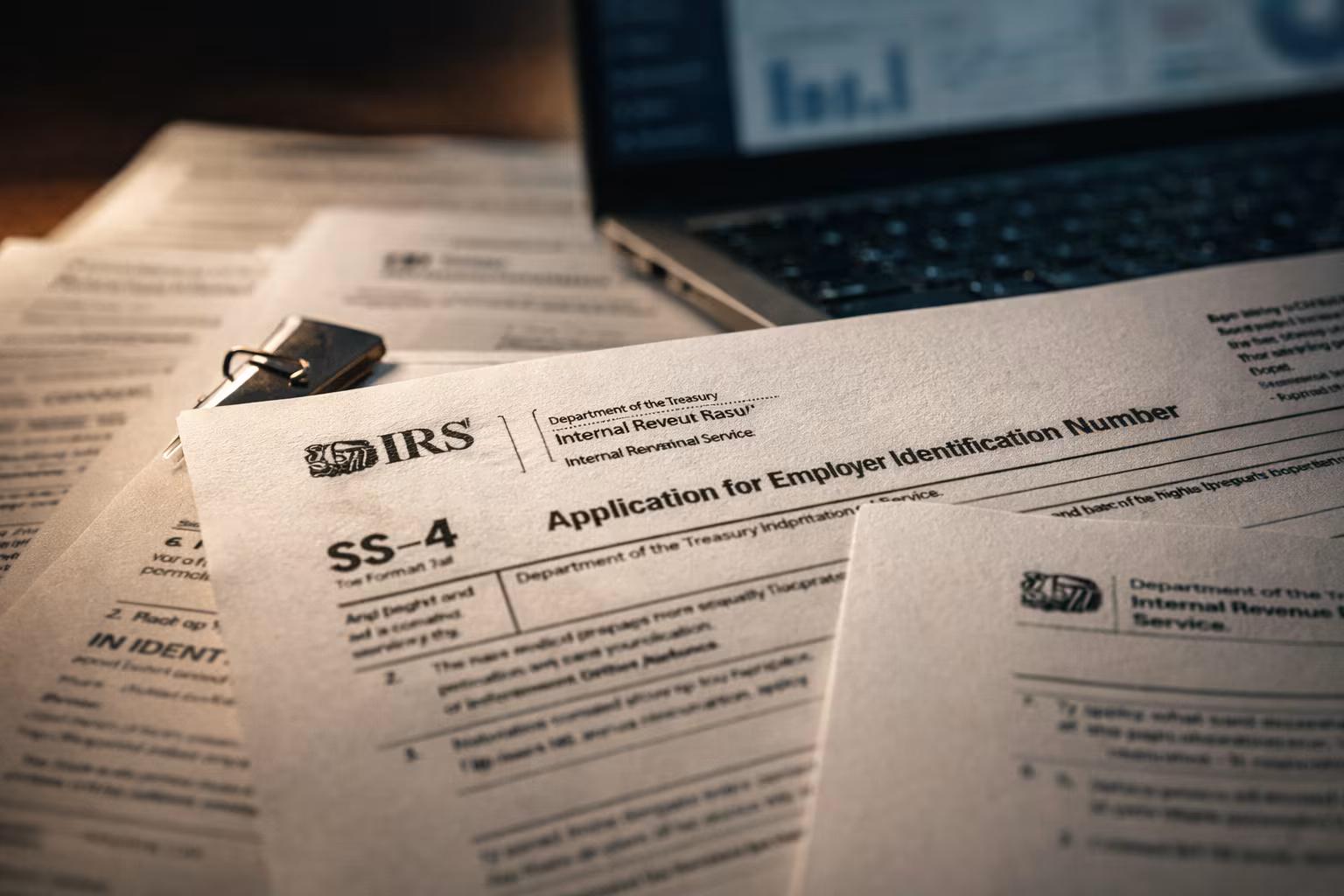
The second business may also bring new responsibilities. If it becomes a foreign-owned US business, understanding the relevant compliance requirements becomes part of operating responsibly. For example, certain foreign-owned US LLCs may have Form 5472 filing requirements, depending on their circumstances.
The lesson is simple: growth into a new market should come with better decisions, not simply bigger ambitions.
His First Business Failed. But the Founder Didn't
His first business failed. But the founder didn't.
The second time, he didn't start with the same assumptions. He started with experience.
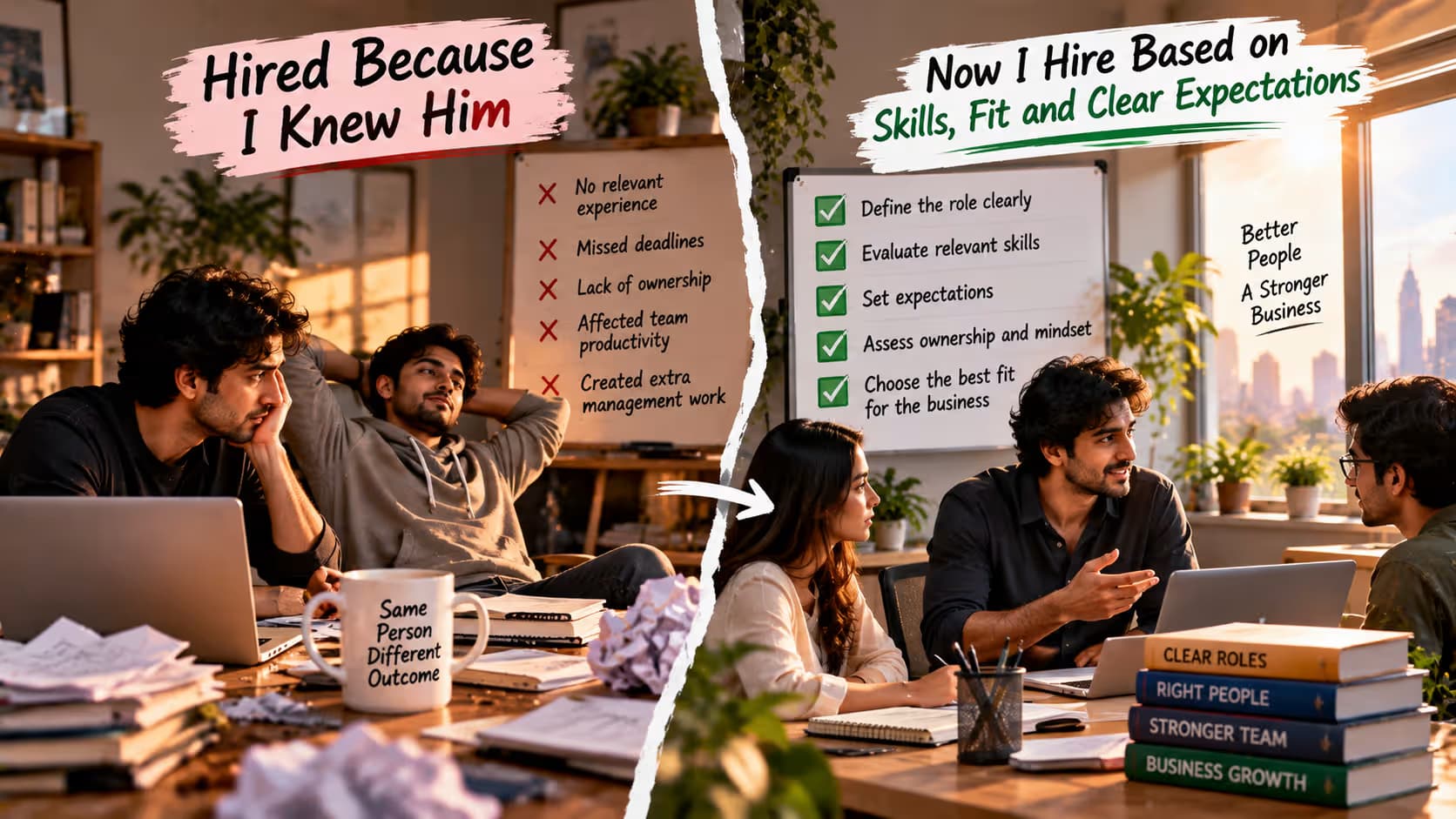
He understood that a website isn't a business, revenue isn't necessarily profit, and forming a company doesn't automatically create customers.
He also understood that his next opportunity didn't have to be limited by the geography of his first business.
This time, his market was America.
And perhaps that is the most important lesson from starting a business after failure: you don't get to choose whether the first attempt teaches you something, but you do get to choose whether you use what you learned.
The first business may have been the failure.
The second business became the opportunity.
This article is for general informational purposes only and does not constitute legal, tax, or financial advice. Tousif Akram and FormLLC are not a law firm or CPA firm. Consult a licensed professional for advice specific to your situation.
Ready to Form Your US LLC?
Free 30-minute consultation with no obligation and no sales pressure.
Book Free Call