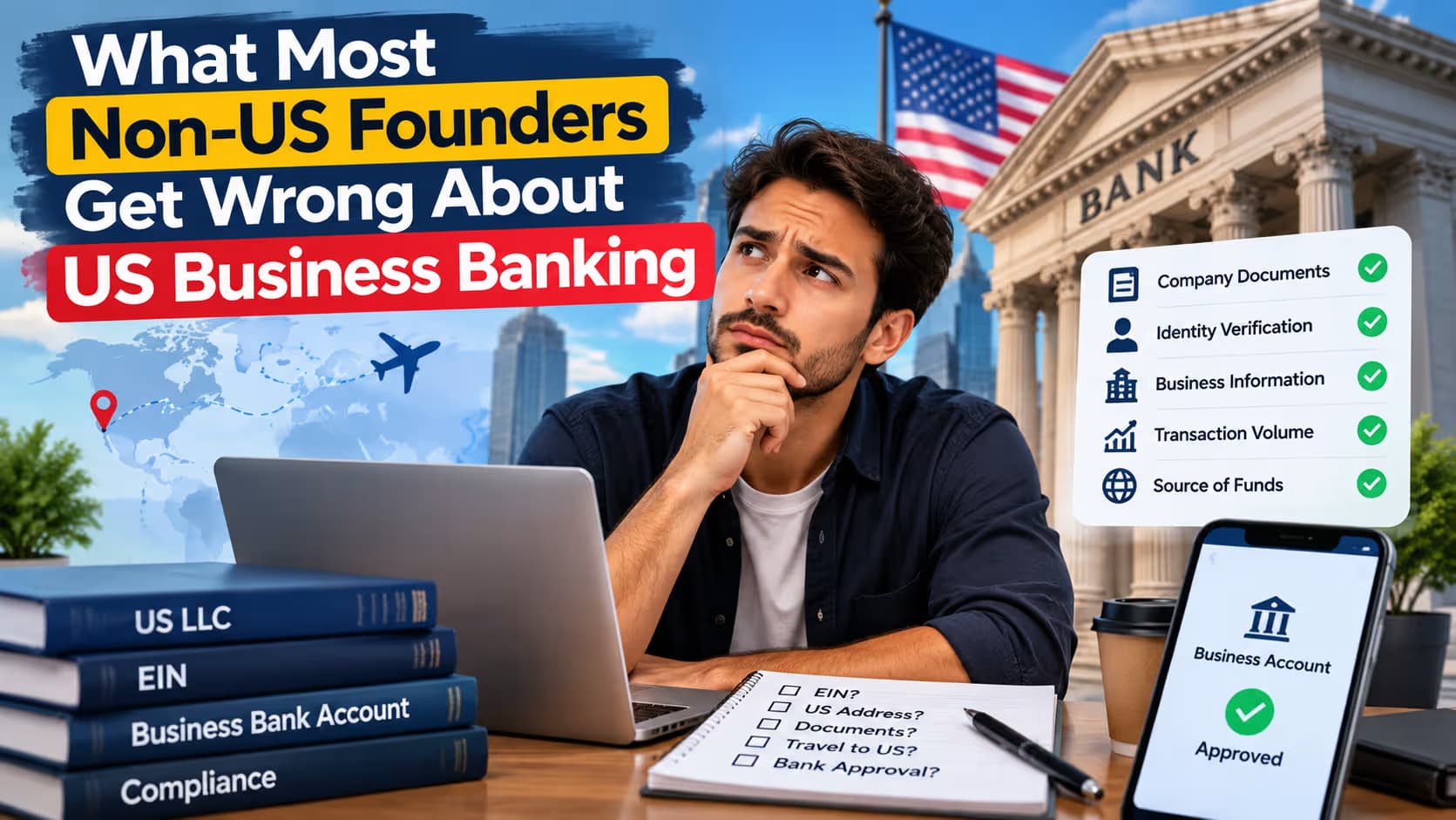
What Most Non-US Founders Get Wrong About US Business Banking

Tousif Akram
IRS CAA | Founder, FormLLC
What Most Non-US Founders Get Wrong About US Business Banking
One of the most common conversations I have with non-US founders happens after their company is already formed. They usually ask something like, “Now that I have my US LLC, how do I open the bank account?” I understand why they think it should be simple. You formed a US company, received your formation documents, got an EIN, and now you expect the next step to be opening a US business bank account. But after working with international founders for years, I have learned that forming the company and getting ready for US business banking are two different things.
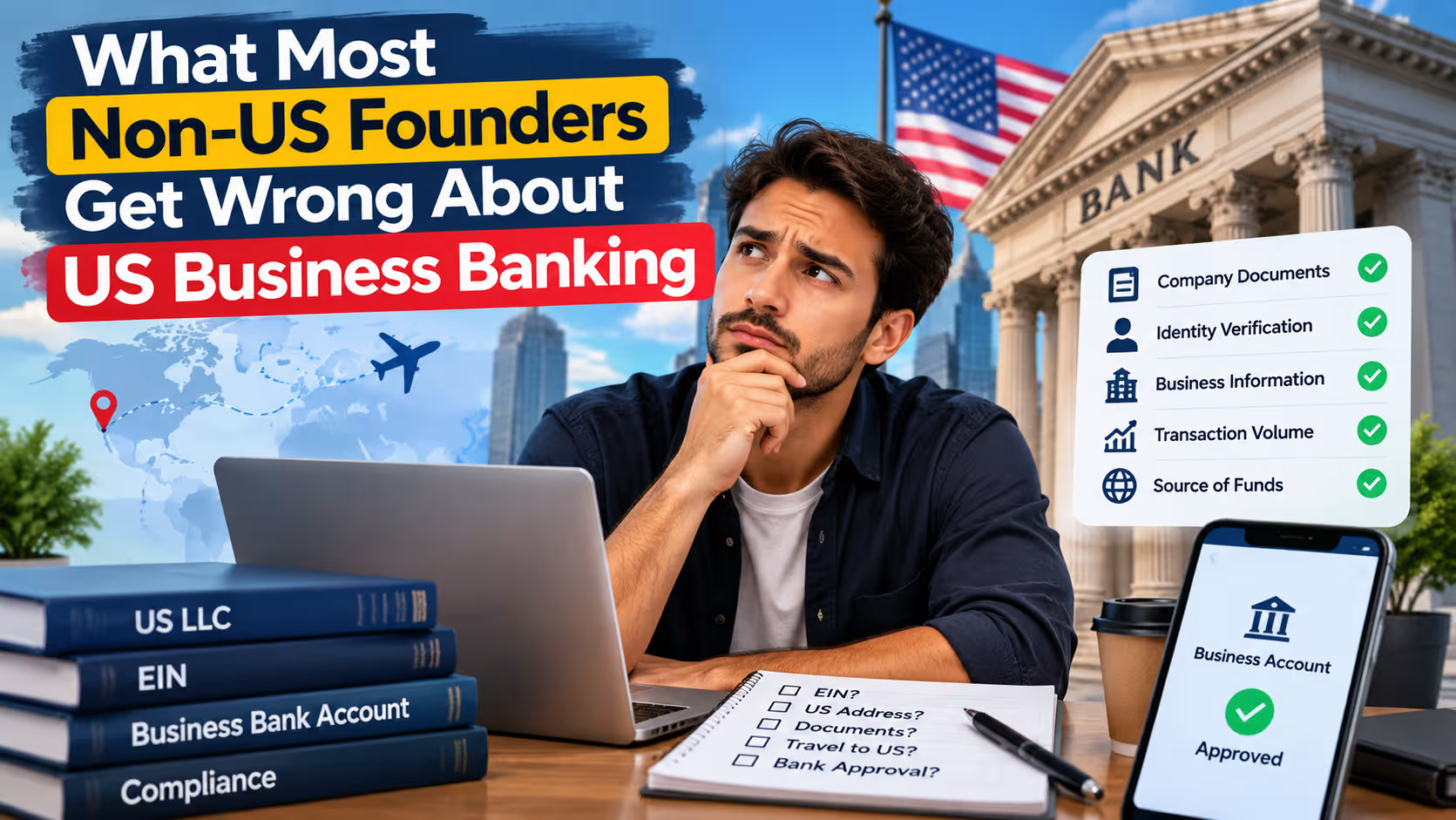
The biggest misunderstanding is thinking that a US LLC automatically gives you access to US banking. It doesn't. Banks and financial platforms have their own onboarding and compliance requirements, and approval depends on the institution and the applicant's circumstances. Depending on the provider, you may be asked about your identity, ownership, business activity, where you operate, where your customers and suppliers are located, expected transaction volume, source of funds, and business address. For non-US founders, the business story matters just as much as the company documents.
What Non-US Founders Get Wrong About US Business Banking
I have seen founders focus heavily on getting the LLC formed as cheaply and quickly as possible while spending very little time thinking about what the company will actually do. Then, when they reach the banking stage, they realize that saying “I have a US LLC” isn't really an explanation of the business.
A bank or financial platform wants to understand the business behind the company. Where are you living? What do you sell? Who are your customers? Where does the money come from? Where do you expect to send it? Do you have a website? What products or services do you provide? What is your expected transaction volume?
These questions are not necessarily signs that something is wrong with your company. They are part of the information financial institutions may use during customer identification, business verification, and compliance processes.
If you are still planning your company setup, our US LLC guide for non-resident founders explains how formation, EIN, banking, and compliance fit together.
US Business Banking Starts With Your Business Story
One lesson I have learned from working with international entrepreneurs is that your documents should tell the same story as your actual business. If you describe yourself as a software company, your website, business description, contracts, invoices, and expected transactions should make sense in that context. If you're running a consulting business, ecommerce company, agency, or SaaS business, the banking information you provide should naturally connect to those activities.
This doesn't mean every founder needs a large website, US employees, or a physical office. It means the information you provide should be accurate, consistent, and understandable. This consistency can make a US business banking application easier to understand because the information you provide should match the business you actually operate.
For example, a founder who says they operate a consulting business but cannot clearly explain what services they provide, who their customers are, how they expect to receive payments, or why they formed a US company may face additional questions during onboarding.
The goal isn't to create a story for the bank. The goal is to clearly explain the real business you are operating.
An EIN Does Not Guarantee Bank Approval
Another mistake I see frequently is assuming that EIN = guaranteed bank account.
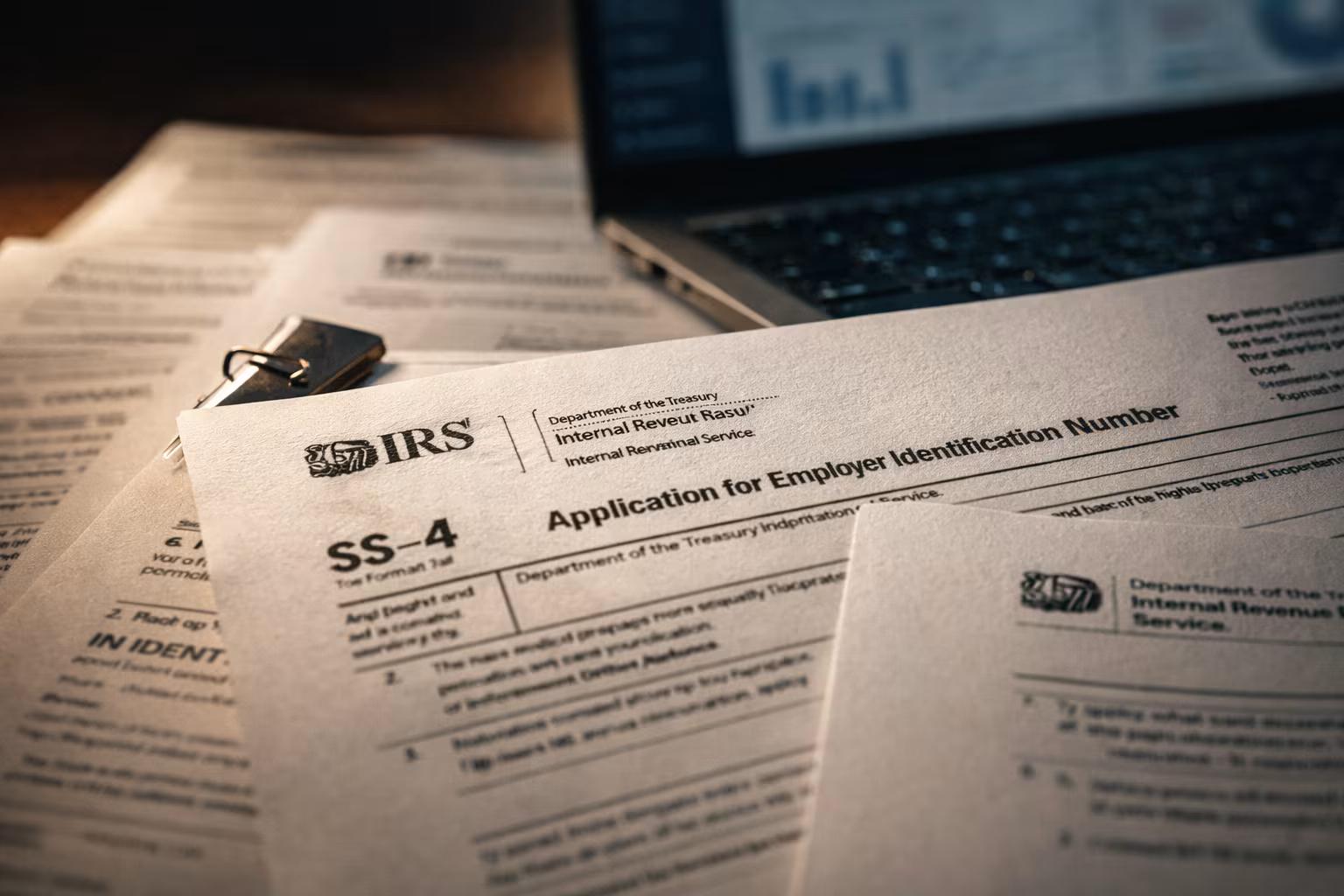
An EIN is an important federal tax identification number for a business, and it can be required for banking and other business activities depending on the company's circumstances. Non-US founders can also obtain an EIN in situations where the IRS permits it without having a US Social Security Number. If you need an EIN first, see our guide on how to get an EIN without an SSN.
But receiving an EIN does not guarantee approval by a particular bank or financial platform. The EIN identifies the business for federal tax purposes; it does not mean that a financial institution has approved your company.
For US business banking, the EIN is only one part of the information a financial institution may consider during its onboarding process.
This distinction is important because some formation services make the process sound like a simple sequence: form the LLC, get the EIN, open the bank account, and start accepting payments. In reality, each step has its own requirements.
Do Non-US Founders Have to Visit the United States?
Another common assumption is that a non-US founder must physically travel to the United States to open a business account.
That isn't universally true. Some financial platforms explicitly accept applications from international founders, although eligibility and approval depend on the provider's current requirements. For example, Mercury's current application process supports certain international founders but still requires information about the US company, its operations, principal business address, ownership, and other details.
The important point is not to confuse remote application availability with guaranteed approval.
A founder living outside the United States may be able to apply remotely, but the provider can still ask for identity documents, proof of address, company documents, information about the business, and details about expected transactions.
If you want to understand the practical process in more detail, read our guide on how to open a US bank account as a non-resident LLC owner.
Documents You Need for US Business Banking
The exact requirements for US business banking vary between banks and financial platforms, so there isn't one universal document checklist. However, international founders should generally be prepared to provide a combination of company, identity, address, and business information.
This can include your passport or other identification, proof of residential address, LLC formation documents, EIN confirmation, ownership information, operating agreement, business website, description of products or services, expected transaction volume, and information about customers or countries served.
Having these documents organized before you begin an application can make the process easier. It also gives you an opportunity to check whether the information is consistent across your company records.
Your LLC operating agreement for non-residents can also be an important part of keeping your ownership and management records organized.
Think About US Business Banking Before You Form Your LLC
This is probably the biggest lesson I would give a new international founder.
Don't treat banking as something you will figure out after formation.
You don't necessarily need a bank account approved before you form the company, and you cannot control whether a particular institution accepts your application. But you can think about your banking requirements before choosing your structure, formation state, business address, documentation, and operating model.
Your company structure, business model, ownership, address, documentation, and actual operations should make sense together.
If you are building an ecommerce business, your expected payment flows may look different from those of a consulting agency. A SaaS company may have recurring subscription payments from customers in several countries. A freelancer may receive client payments and pay contractors. An international agency may have customers and suppliers in multiple jurisdictions.
These differences matter because US business banking is connected to how the business actually operates.
A US LLC Is Not the Same as a Banking Relationship
When I started working with founders from different countries, I initially thought the biggest challenge was helping them form the company correctly. Over time, I realized that formation is often just the first step.
The real questions start afterward.
Can you bank? Can you accept payments? Can you keep business and personal finances separate? Can you document your transactions? Can you stay compliant? Can you operate the business properly from your country?
Those questions are much more important than simply having an LLC certificate sitting in a folder.
A US LLC can provide an international founder with a US business structure. It does not automatically create a banking relationship, payment-processing relationship, credit history, or approval with every financial provider.
That distinction is especially important for founders who are forming a company primarily because they want access to international payments or US customers.
Don't Believe Anyone Who Guarantees a US Bank Account
There is another lesson I have learned from working with international entrepreneurs: don't believe anyone who makes banking sound guaranteed.
I would rather tell a founder that approval depends on the financial institution and their individual circumstances than promise, “You will definitely get a US bank account.”
That may not sound as exciting as a guarantee, but it is much closer to reality.
A responsible provider can help you prepare the company and documentation for the banking process. It can explain common requirements and help you understand what information you may need. But the final decision belongs to the bank or financial platform.
No legitimate formation service should turn bank approval into a guaranteed outcome.
What Non-US Founders Should Know Before Opening a US Bank Account
If you're considering a US LLC as a non-US founder, I would start with a bigger question than “Which company formation provider is cheapest?”
Ask yourself: “What will my business actually need after the company is formed?”
Will you need a business bank account? Will you receive payments from US customers? Will you work with customers in multiple countries? Will you use payment processors? Will you pay international contractors? Will you need to move money between your company and your home country? What documentation will you need to maintain?
Thinking through these questions before formation can help you build a more coherent business structure.
Our guide to starting a US LLC from India also covers the broader setup process, including formation, EIN, banking, and ongoing compliance.
The LLC Is Only the Beginning
One of the biggest changes in my thinking over the years has been realizing that forming the company is only the beginning of building the business.
A certificate of formation doesn't tell a bank what your company does. An EIN doesn't guarantee approval. A registered agent doesn't create a banking relationship. And a US LLC doesn't automatically solve the practical challenges of operating an international business.
The founders who approach the process thoughtfully tend to understand this distinction from the beginning. They don't simply ask, “How quickly can I get my LLC?”
They ask, “What does my business need to operate properly after the LLC exists?”
That is the question I think more non-US founders should ask before spending money on company formation.
Because good US business banking doesn't start with an LLC certificate.
It starts with a real business, consistent information, proper documentation, and an understanding of what the financial institution actually needs to evaluate your application.
This article is for general informational purposes only and does not constitute legal, tax, or financial advice. Tousif Akram and FormLLC are not a law firm or CPA firm. Consult a licensed professional for advice specific to your situation.
Ready to Form Your US LLC?
Free 30-minute consultation with no obligation and no sales pressure.
Book Free Call