US LLC for Indian SaaS Founders: Build for US Customers

Tousif Akram
IRS CAA | Founder, FormLLC
US LLC for Indian SaaS Founders: He Was Writing Code in India. His Company Was Serving Customers in America.
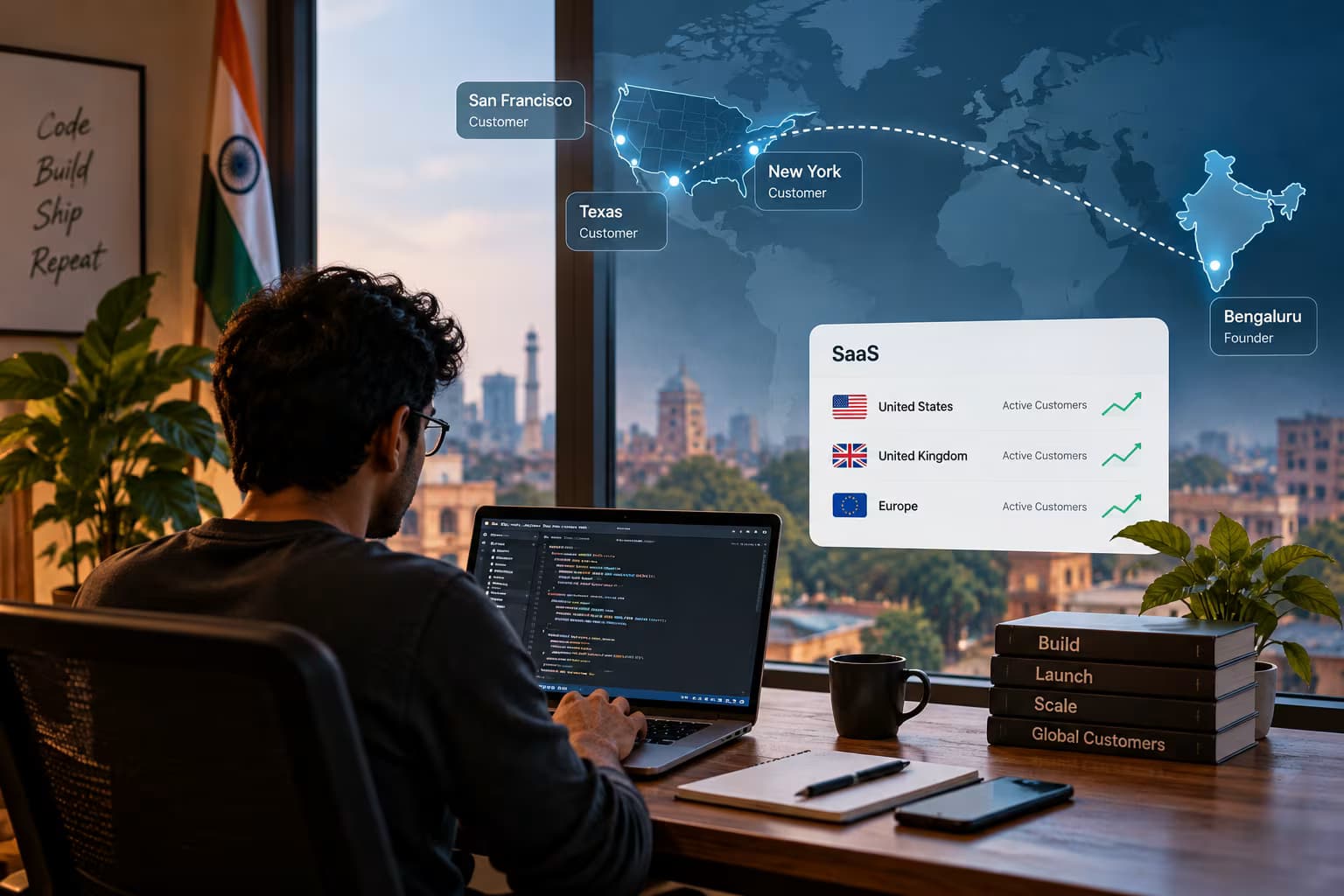
There is a big difference between writing software and building a software company. A developer in India can sit at home, write code, launch a SaaS product, and get the first customer from the United States without ever leaving the country.
That first American customer can change the way a founder thinks. Suddenly, the product isn't just an Indian startup. The market is global. Customers are paying in dollars. The company may need better international payment infrastructure, stronger contracts, a structure that makes sense for global customers, and eventually a path to grow beyond the founder's laptop.
This is one of the reasons I see more founders asking about a US LLC for Indian SaaS founders.
But I think the important question isn't simply, "How do I get a US LLC?"
It is: What kind of company am I actually trying to build?
US LLC for Indian SaaS Founders: Your Code Can Be in India While Your Customers Are Everywhere
One of the most interesting things about SaaS is that geography works differently.
A traditional business might need a store, office, warehouse, or local sales team before entering another market. A SaaS company can sometimes enter a market with a website, a product, a payment page, and a good internet connection.
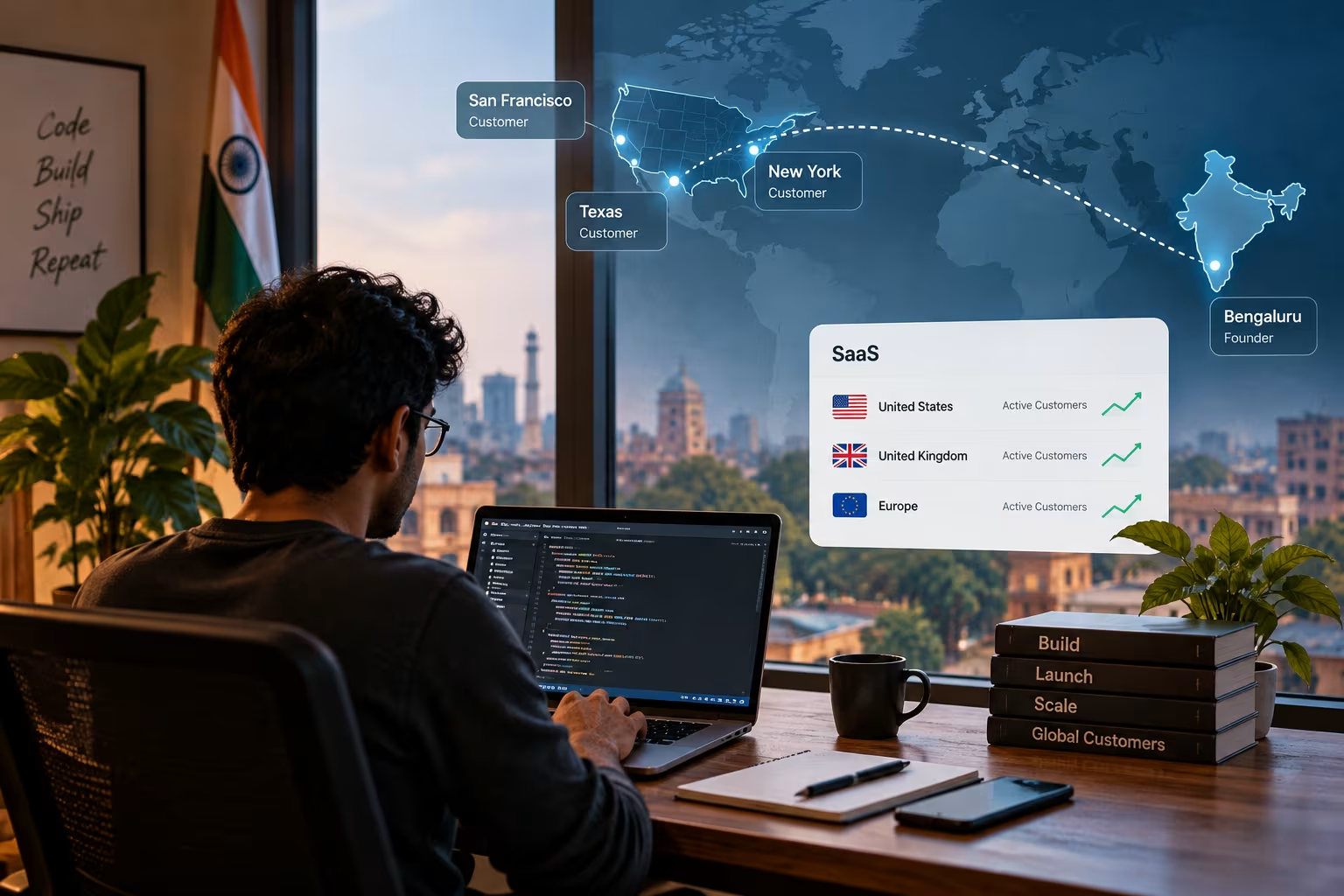
That creates an unusual situation. The founder may be in Bengaluru, Pune, Delhi, Hyderabad, or a smaller Indian city. The development team may also be in India. But the customer could be a startup in San Francisco, a marketing company in New York, or an enterprise somewhere in Europe.
At that point, it is natural for a founder to start researching a US company for an Indian startup or a US company for Indian SaaS.
But incorporation shouldn't be the first decision.
The product should come first. The customers should come first. Then the structure should support what you are actually building.
If you are specifically exploring how an Indian founder can establish a US company, my guide to starting a US LLC from India provides a broader look at the formation process and the questions that come after it.
When an Indian SaaS Business Starts Thinking About America
I've seen founders begin very differently.
Some start as developers. Some start freelancing. Some build a small internal tool and eventually realize that other companies would pay for it.
The business may initially be completely comfortable operating from India. Then the product begins attracting customers abroad.
Revenue starts coming in from the United States. The founder starts thinking about annual subscriptions, enterprise contracts, payment processing, international accounting, and eventually investment.
This is where a US LLC for an Indian startup can enter the conversation.
For a bootstrapped SaaS company, an LLC may be one possible structure to evaluate. But if the founder's long-term plan involves venture capital, institutional investors, stock options, or a larger US fundraising strategy, the conversation can be different.
That is why I don't believe in giving every startup the same answer.
A freelancer, a bootstrapped SaaS founder, and a venture-backed technology company may all be Indian founders, but they do not necessarily need the same structure.
Growth Changes the Questions You Need to Ask
A founder might begin by asking how to accept payments from American customers. A year later, the more important questions may involve intellectual property, ownership, contracts, hiring, accounting, taxes, and investment.
The structure that works for a solo developer may not be the structure that makes sense for a growing software company.
Your business should be allowed to evolve before you lock yourself into unnecessary complexity.
A SaaS Company in the USA Doesn't Mean You Have to Move to the USA
This is one of the biggest misconceptions I see.
A founder can live and work in India while owning a US entity, subject to the applicable legal, tax, and regulatory requirements.
The IRS treats LLCs according to their ownership and tax elections. A single-member domestic LLC generally has a different default federal tax classification from a domestic LLC with two or more members. A multi-member domestic LLC generally defaults to partnership taxation unless it elects corporate treatment.
So when someone searches for SaaS company in USA, they should understand that "company in the USA" can mean several different things.
It could mean a company legally formed in the United States. It could mean a company whose customers are primarily American. It could mean a company with American investors. Or it could mean a business that is actually operating from the United States.
Those are not the same thing.
The Indian SaaS Company Doesn't Disappear
I think this is particularly important for Indian founders.
Creating a US entity does not automatically erase the business activities happening in India.
If your developers are in India, your operations are in India, and you are personally running the company from India, those facts still matter.
That's why an Indian SaaS company USA strategy needs to be thought about as a cross-border business structure, not simply a registration exercise.
There can be Indian-side considerations as well as US-side requirements. Indian residents who establish or invest in overseas entities can have foreign-exchange and overseas-investment considerations under India's regulatory framework, so founders should get India-specific professional advice rather than assuming that US incorporation is the entire solution.
This is exactly why I tell founders to think beyond the formation certificate.
The US Entity and Indian Operations Need to Make Sense Together
If the business has a US entity and an operating presence in India, the founder should understand what each entity actually does.
Who owns the intellectual property? Which company signs customer contracts? Where are employees or contractors engaged? How are expenses handled? How does money move between related businesses?
These are not questions that can be answered simply by saying, "I have a US LLC."
They become more important as the company grows.
Why Software Developers Are Looking at US Companies
A software developer may begin by selling hours.
A SaaS founder eventually wants to sell a product.
That distinction changes everything.
A developer searching for a US company for software developers may simply want to work with American clients more easily. But someone researching a US LLC for software developers may be thinking about something much bigger: turning technical expertise into recurring revenue, building a product, hiring a team, and selling internationally.
The structure should follow that ambition.
If your entire business is still freelance development, don't create unnecessary complexity just because "US company" sounds more impressive.
But if you have built a SaaS product with paying customers across the world, the question deserves a deeper conversation.
What I Would Ask Before Forming the Company
If a SaaS founder came to me today and said, "I want a US LLC," I would ask a few questions before discussing the filing.
Where are your customers? Where do you and your team work? Who owns the intellectual property? Are you selling subscriptions or one-time licenses? Are you planning to raise money? Will you have US employees? How are customers paying you today?
And most importantly, what do you want this company to become?
Those questions tell you far more than simply knowing that the founder is Indian.
A US LLC for a tech startup may make sense in one situation and be the wrong structure in another.
Don't Choose a Structure Just Because It Sounds Global
I understand why founders are attracted to the idea of a US company. American customers may be the target market, and a US entity can sometimes become useful infrastructure for an international business.
But the goal should not be to make the company look American.
The goal should be to build a company that works.
That means understanding the commercial reason for the structure before spending time and money on formation.
The EIN Is Important, But It Isn't the Business
Another common step for foreign founders is obtaining an EIN.
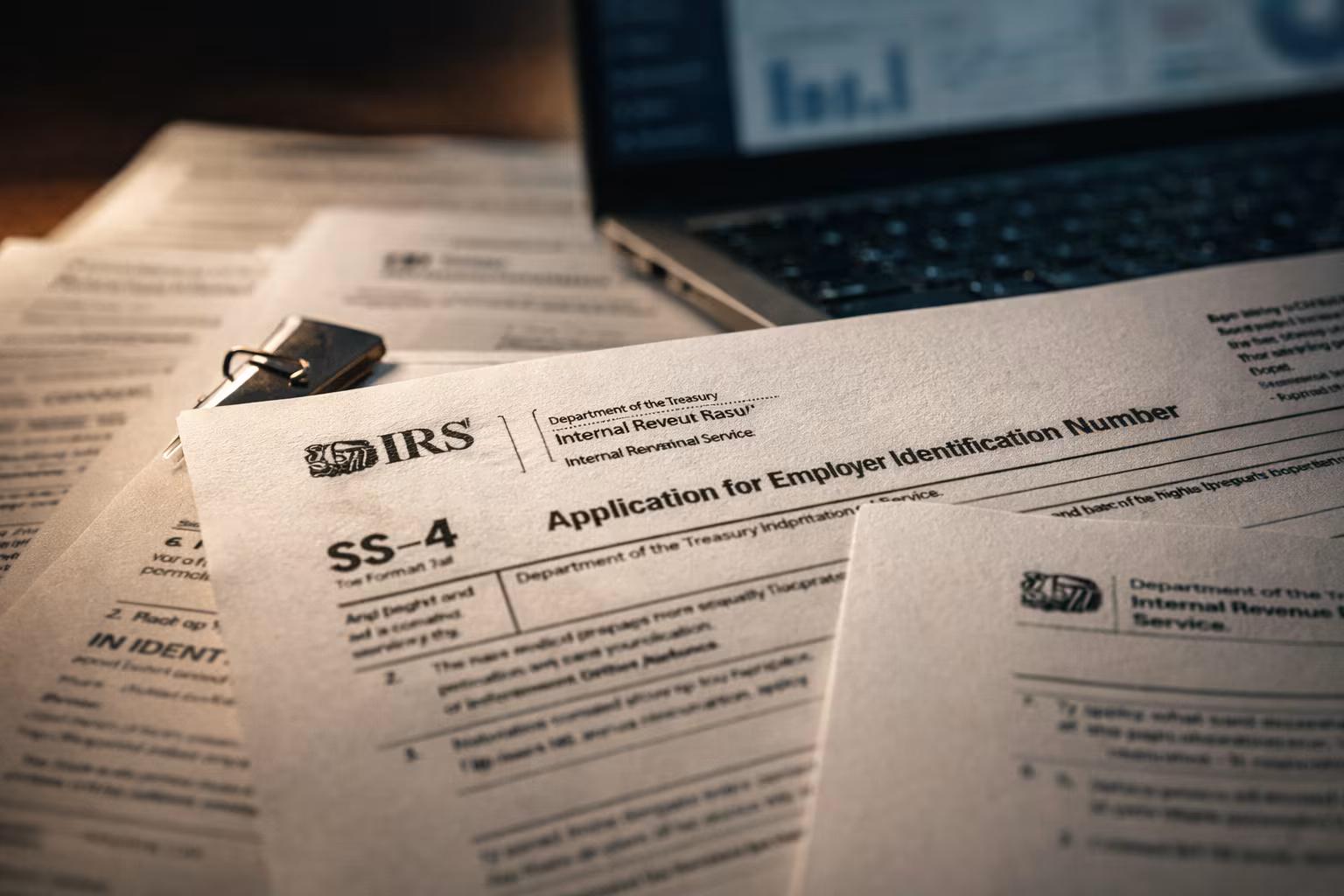
The IRS's current Form SS-4 instructions specifically address foreign applicants and certain foreign-owned US disregarded entities. In some cases, a foreign-owned disregarded entity needs an EIN for its reporting obligations, including circumstances involving Form 5472.
But this is where I think founders need to change their mindset.
An EIN is not a business model.
It doesn't create customers. It doesn't make a SaaS product successful. And it doesn't automatically make a founder's tax obligations disappear.
It is one piece of the infrastructure.
The product, market, customers, compliance, finances, and operations are the rest.
International Contracts and Ownership Matter as the SaaS Grows
Once a SaaS company starts serving customers internationally, contracts become increasingly important.
The founder needs to understand which company is signing agreements, who owns the software, what customers are actually purchasing, and how intellectual property is protected.
This becomes particularly important when the business has more than one entity or when the founder is working with contractors and employees across different countries.
An operating agreement can also become important when there are multiple owners or when the founders want clear rules around ownership and management. My guide to a US LLC operating agreement for non-residents explains why the operating agreement can matter beyond simply having an LLC certificate.
The company structure should make ownership and responsibilities clearer, not create more uncertainty.
Banking and Payments Become More Important as Revenue Grows
The first international customer may pay through a simple payment method. But as the SaaS company grows, the founder may need more reliable business banking and payment infrastructure.
That is where the difference between having a company and operating a company becomes clear.
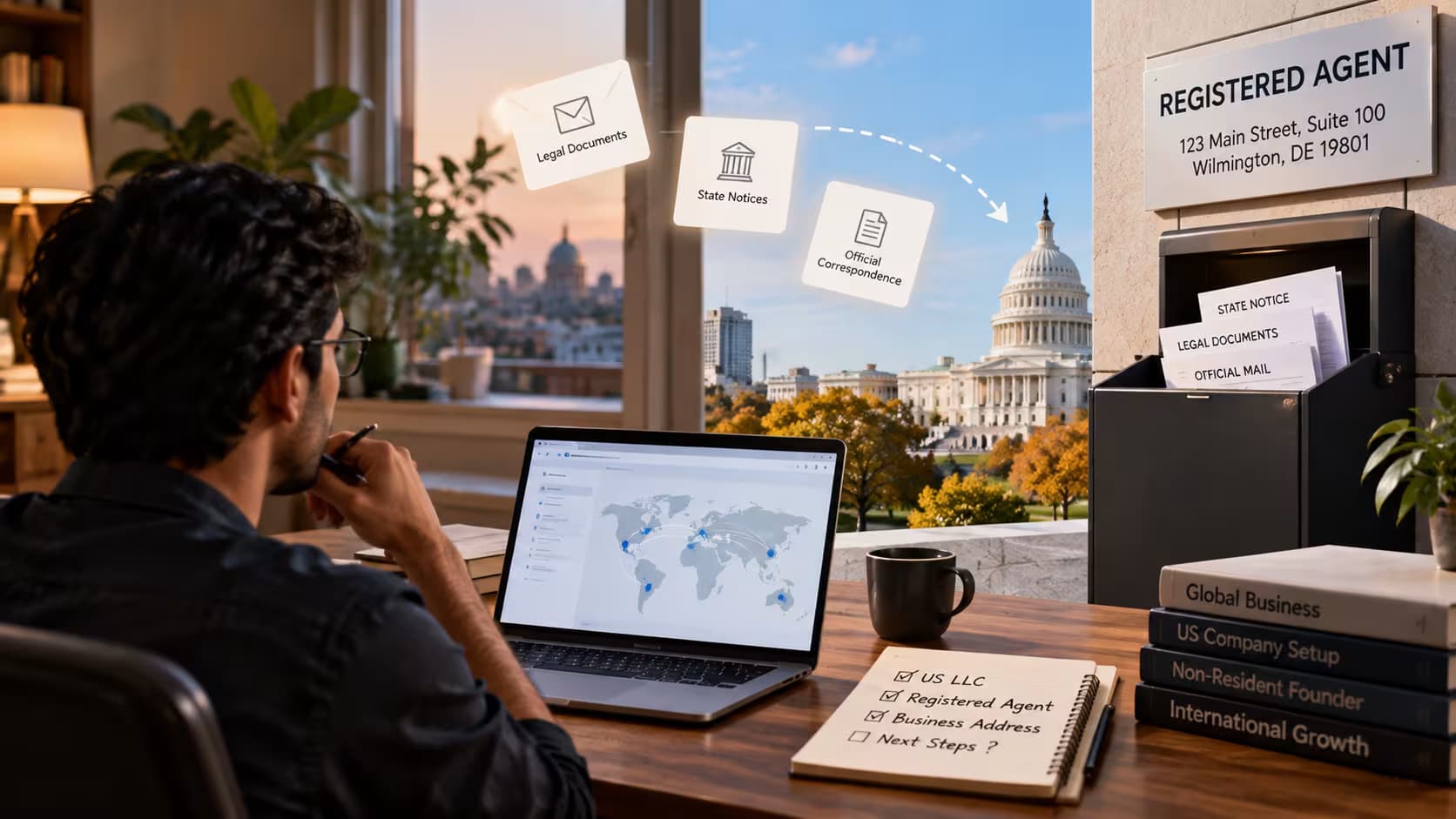
A US LLC does not automatically guarantee access to a bank account or payment provider. Financial institutions and platforms have their own eligibility, verification, and compliance requirements.
If the business eventually needs a US business bank account, the founder should think about banking as part of the broader business infrastructure rather than treating it as an automatic benefit of incorporation.
For founders at that stage, this guide to opening a US bank account as a non-resident LLC owner provides useful context about the banking side of an international US LLC.
The Real Reason Some SaaS Founders Look at the US
For me, the interesting part isn't that a founder wants an American company.
It's why.
Sometimes it is because their customers are American. Sometimes it is because they want to build a business designed around international markets. Sometimes they are preparing for future investors or enterprise customers. Sometimes they simply want their company structure to match the market they are already serving.
Those are very different reasons.
And I think founders make better decisions when they understand their reason first.
The US also has an income tax treaty with India, but treaty provisions apply to particular situations and types of income; they shouldn't be reduced to a blanket claim that a US LLC owned by an Indian resident is "tax-free."
International tax questions should be evaluated based on the actual business, ownership, income, activities, and applicable rules.
From Writing Code to Building a Global Company
This is the transition I find most interesting.
The founder starts by writing code in India.
Then someone in America pays for it.
Then ten people pay.
Then one hundred.
Then the founder realizes that the biggest challenge isn't writing another feature.
It's building the infrastructure around the product.
Contracts. Payments. Customer support. Compliance. Hiring. Accounting. Sales.
And eventually, deciding what kind of company this is going to become.
That is when a US LLC for Indian SaaS founders becomes a business question rather than just a formation question.
You don't need to move to Silicon Valley to build a global SaaS company. You don't need an American passport to sell software to American customers.
You need a product people want, customers who are willing to pay, and a business structure that makes sense for the company you're actually building.
Build the Company Around the Market You Serve
The most important shift happens when the founder stops thinking of the business as "an Indian developer selling software" and starts thinking of it as a global SaaS company that happens to be built from India.
That mindset changes the questions.
How should the company handle international contracts? How should customer payments be organized? Where should intellectual property sit? What happens when the company hires internationally? What happens when investors become part of the picture?
Those are the questions that matter when the product starts becoming a real company.
The US entity, if it is appropriate, should support those goals.
The Code Can Stay in India. The Company Can Serve the World.
I think that is the real story.
The founder doesn't have to abandon India to build an international software company.
The development team can remain in India. The founder can continue working from India. The customers can be in America, Europe, Australia, or anywhere else.
But as the business grows, the structure around the product may need to evolve.
A US LLC for Indian SaaS founders can be part of that evolution when it fits the company's actual needs.
The code can still be written in India.
The customers can still be in America.
The team can still be distributed across borders.
But the company can be designed for a global market.
— Tousif Akram *Founder, FormLLC*
This article is for general informational purposes only and does not constitute legal, tax, or financial advice. Tousif Akram and FormLLC are not a law firm or CPA firm. Consult a licensed professional for advice specific to your situation.
Ready to Form Your US LLC?
Free 30-minute consultation with no obligation and no sales pressure.
Book Free Call