Non Resident LLC US Disadvantages: What Founders Must Know

Tousif Akram
IRS CAA | Founder, FormLLC
Understanding non resident LLC US disadvantages is just as important as learning about the benefits of forming a US company. A US LLC may help international founders organize their businesses, work with global clients, and apply for certain financial services, but it also comes with ongoing compliance costs, tax responsibilities, banking limitations, and administrative work.
In my experience helping international founders explore US company formation, the right decision depends on the business's actual needs. An LLC does not automatically attract better clients, guarantee payment processing approval, or eliminate taxes. Before registering, founders should understand what changes after formation, what responsibilities remain, and whether the benefits justify the ongoing expenses.
Before and After: Pricing, Clients, and Payment Access
Can a US LLC Help You Charge Higher Prices?
Before forming a company, a freelancer may sell services under their personal name. After setting up an LLC, they may be able to present a more formal business identity, use company details on contracts and invoices, and build a recognizable business brand. This can support professional positioning, particularly when working with international customers who prefer dealing with registered businesses.
However, forming an LLC does not automatically justify higher prices. Clients generally pay more when they recognize the value of your expertise, reliability, communication, and results. A company registration can support your presentation, but it cannot replace a strong portfolio, proven experience, or a clear service offering.
Does a US LLC Help You Attract Better Clients?
Some customers prefer working with a registered business because it provides a formal entity for contracts, invoices, and ongoing commercial relationships. A US LLC may help meet that preference, depending on the client's requirements and the nature of your services.
Still, a US registration does not guarantee access to better clients. Your ability to attract and retain customers depends on factors such as your positioning, reputation, pricing, and quality of work. Nor does registering a US company mean that every client will consider your business to be physically operated in the United States.

Will an LLC Guarantee Banking and Payment Access?
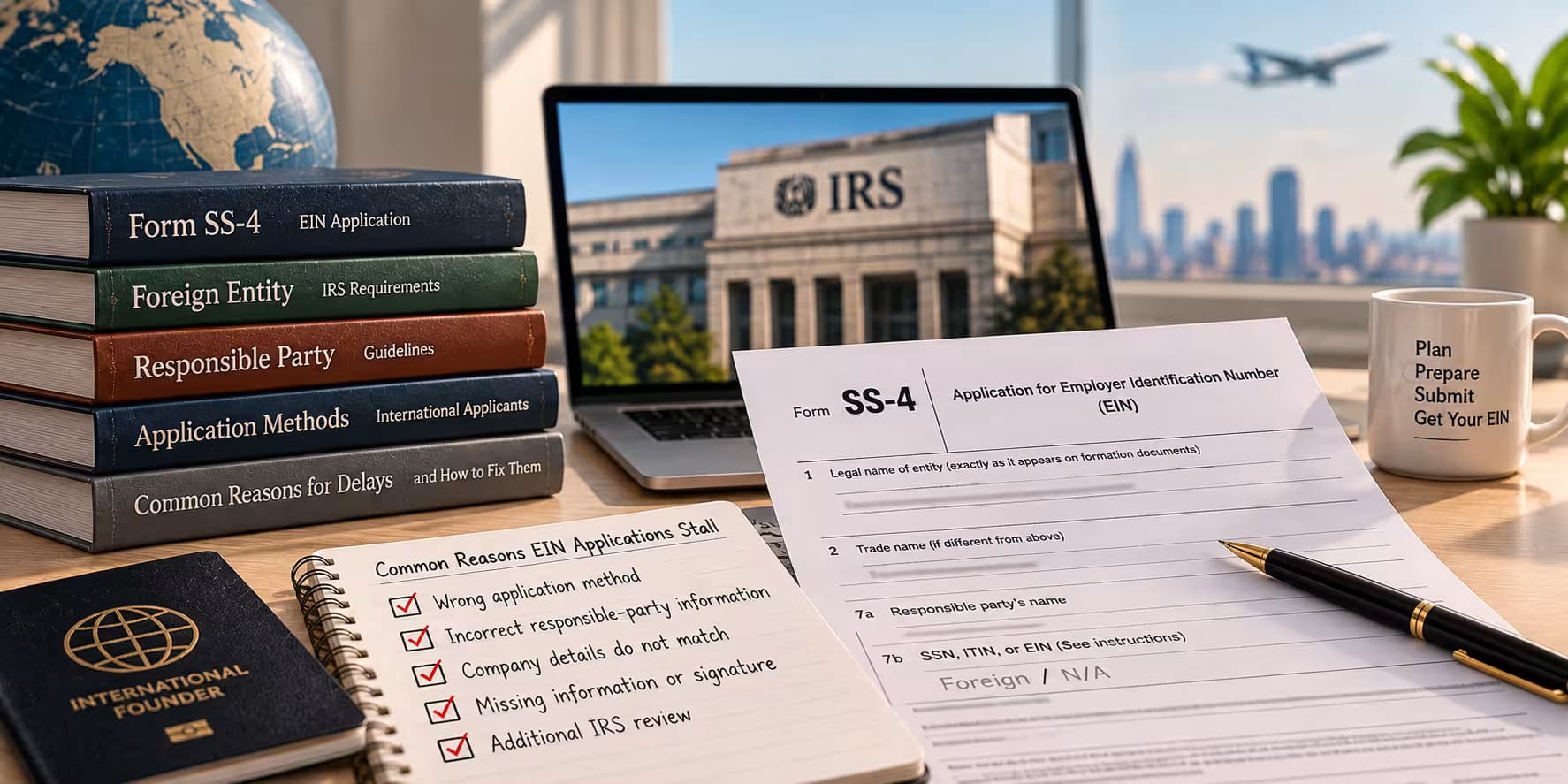
A US LLC and an Employer Identification Number (EIN) may allow you to apply to certain financial institutions and payment providers. However, company formation is not the same as account approval. Providers assess applications according to their own eligibility rules, identity-verification procedures, and risk policies.
You may need to submit company documents, identification, address information, ownership details, and an explanation of your business activities. Even after preparing these documents, approval is not guaranteed. If access to a US business account is important to your plans, understand the eligibility requirements before spending money on formation.
The distinction is important: an LLC can provide a structure for doing business internationally, but it does not guarantee a bank account, payment processor approval, or better commercial terms.
Non Resident LLC US Disadvantages: Benefits, Costs, and Compliance
One of the main benefits of a US LLC is the ability to establish a separate legal business entity. An LLC generally offers limited-liability protection, subject to applicable law and the way the business is operated. It can also provide flexible ownership and management arrangements.
For founders serving international customers, a US entity may help organize contracts, company finances, and business records under a single structure. The value is greatest when the company solves a real operational problem rather than being formed simply because other entrepreneurs recommend it.
Before choosing a structure, it helps to understand the purpose of the company's internal rules and ownership records. Our guide to the US LLC operating agreement for non-residents explains how an operating agreement can document ownership, management responsibilities, and decision-making arrangements.
Ongoing Compliance and Maintenance Costs
One of the most important non resident LLC US disadvantages is the responsibility of maintaining the company after registration. Depending on the state and the company's circumstances, you may need to pay annual fees, maintain a registered agent, file state reports, keep business records, and meet applicable federal tax or information-reporting requirements.
These responsibilities can continue even when the business has limited activity. That means you should evaluate the total cost of ownership rather than focusing only on the initial formation fee. Registered-agent services, state maintenance, bookkeeping, and professional assistance can all add to the ongoing expense.
Tax Responsibilities for Foreign-Owned LLCs
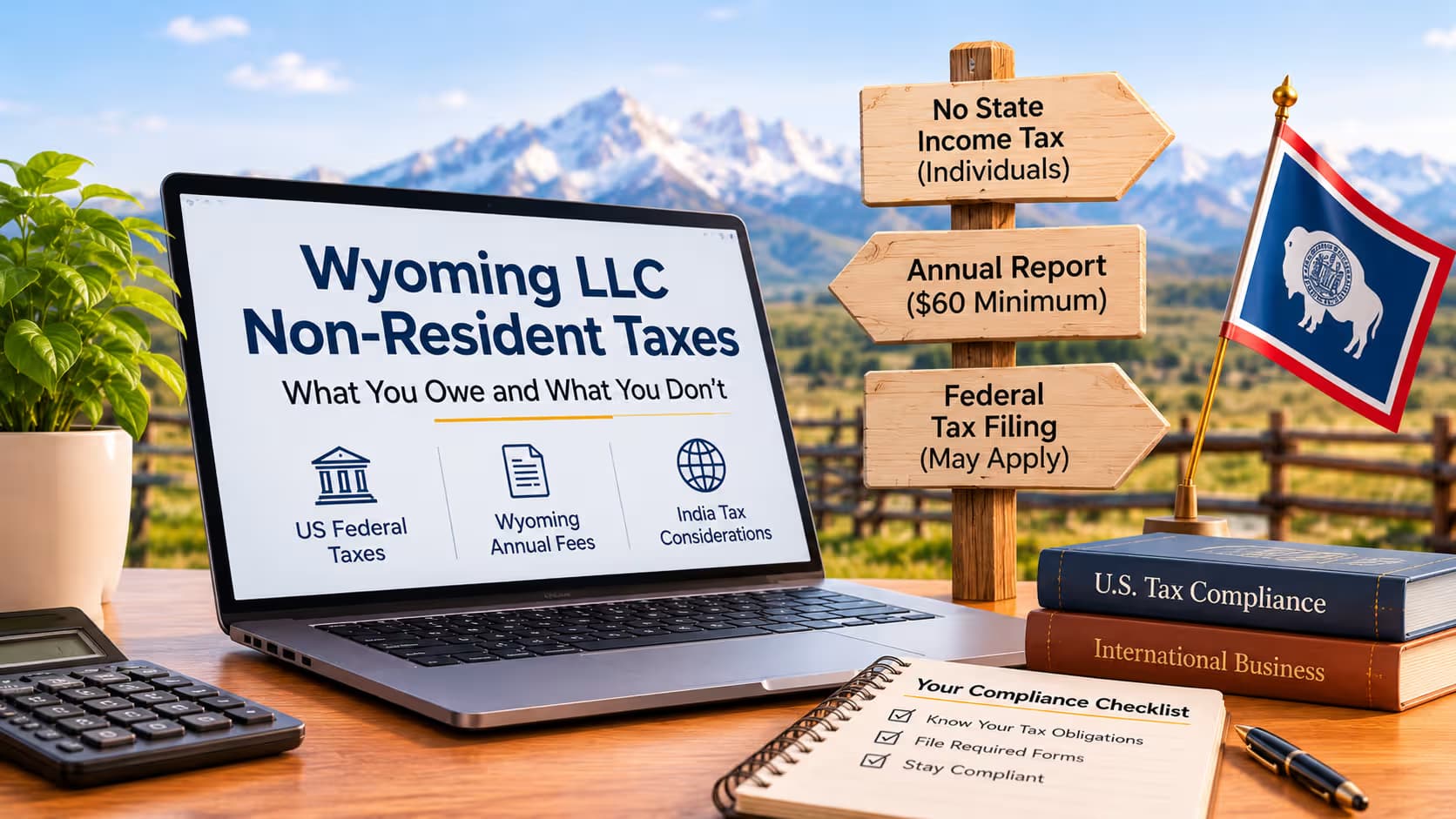
An LLC's legal structure is different from its federal tax classification. The applicable tax treatment depends on the entity's ownership, elections, activities, and other relevant facts. Forming an LLC does not automatically make the business tax-free.
For additional context, read Tax-Free US LLC: What International Founders Should Know. The important point is to understand the specific tax rules that apply to your company rather than relying on broad claims about tax-free business structures.
For certain foreign-owned single-member LLCs, Form 5472 and a pro forma Form 1120 may be required when the relevant reporting conditions apply. The correct obligations depend on the company's ownership, tax classification, and reportable transactions. Founders should confirm their specific filing requirements instead of assuming that every LLC follows the same rules.
What Nobody Should Promise You About a US LLC
I would be cautious if someone promises that a US LLC will automatically eliminate taxes, guarantee access to a payment processor, ensure approval from every US bank, or allow you to charge higher prices. These claims confuse what a company structure may support with what it can actually guarantee.
Financial providers conduct their own reviews, tax treatment depends on the facts, and clients make purchasing decisions based on the value they believe a business delivers. A registration certificate cannot override a provider's eligibility rules or remove the need to meet applicable legal and tax requirements.
Additional Considerations for Founders in India
If you live in India, there is another layer to consider. Your Indian tax residency, ownership and funding arrangements, and the way money moves between India and the US may create Indian tax, foreign-asset reporting, or foreign-exchange questions. Establishing a US company does not automatically remove these responsibilities.
Evaluate the complete arrangement before formation. Consider how the company will operate, how you will receive and transfer funds, what records you must maintain, and which obligations may apply in both countries. Where your situation involves cross-border tax or regulatory questions, seek advice from qualified professionals who understand the relevant jurisdictions.
When I Believe a US LLC Makes Sense
I would seriously consider a US LLC when a founder has a clear business reason for establishing one. That might include a genuine need for a US legal entity, international contracts that require a registered company, a suitable banking or payment arrangement, or a longer-term operating plan that justifies the maintenance costs.
I would slow down when the main motivation is simply that someone on social media said a US LLC makes business easier. Before forming one, confirm that the financial providers you need will consider your application, estimate the ongoing compliance expenses, and understand the relevant US and India-side responsibilities.
It is also worth comparing the costs of maintaining the company with the practical benefits you expect to receive. If the LLC does not solve a specific problem or support a realistic business goal, its ongoing fees and administrative work may outweigh its advantages.
How to Make a More Informed Decision Before Forming an LLC
Before registering, write down what you want the company to help you achieve. For example, you may need a formal entity for international contracts, a suitable way to organize business finances, or a structure that supports your plans for serving customers in multiple countries. A clear objective makes it easier to evaluate whether an LLC is appropriate.
Next, identify the responsibilities that will continue after formation. Include state maintenance costs, registered-agent fees, bookkeeping, applicable tax filings, and the time required to maintain accurate records. Do not base your decision solely on the initial registration fee.
Finally, verify the requirements of the banks and payment providers you intend to use. Prepare your company information and documents carefully, and do not assume that an EIN or a US business address will guarantee approval. You can also review our guide to US LLCs for non-residents to understand the wider formation and compliance process.
The real before-and-after is not simply having a new company name on an invoice. It is whether the structure helps you run your business more effectively after accounting for the additional responsibilities and expenses.
My Advice to Non-Resident Founders
Form a US LLC for a clear business reason, not because you expect registration alone to create clients, increase prices, or guarantee payment access. The right structure can support growth, but your business still needs to deliver value, build trust, manage finances, and meet its obligations.
Understanding non resident LLC US disadvantages before formation helps you make a more informed decision about costs, compliance, financial access, and cross-border responsibilities. A US LLC can be useful for the right founder and business model, but the best decision comes from understanding both its potential benefits and its limitations before committing to the ongoing work.
*Disclaimer: This article is for general educational purposes only and does not constitute individualized legal or tax advice. Eligibility, tax treatment, and compliance requirements vary according to the business, its owner, and the relevant jurisdictions. Consult qualified professionals about your circumstances before forming or operating a company.*
This article is for general informational purposes only and does not constitute legal, tax, or financial advice. Tousif Akram and FormLLC are not a law firm or CPA firm. Consult a licensed professional for advice specific to your situation.
Ready to Form Your US LLC?
Free 30-minute consultation with no obligation and no sales pressure.
Book Free Call