The LLC Was Approved. Then He Asked How to Open a US Business Bank Account

Tousif Akram
IRS CAA | Founder, FormLLC
One thing I have learned from helping international entrepreneurs form US companies is that getting an LLC approved often feels like the finish line. But for many founders, it is actually the beginning of a new set of questions. The company is registered, the documents are ready, and the founder is excited to start operating. Then comes a practical question: *How do I open a bank account for my US company if I don't live in America?*
Learning how to open a US business bank account is an important step for many international founders. However, an approved LLC does not automatically guarantee banking approval. Banks and financial service providers have their own eligibility rules, identity checks, and documentation requirements. Understanding those requirements before applying can save time and unnecessary frustration.
At FormLLC, I believe founders should look beyond company registration and understand what it takes to operate their businesses. Business banking is one part of that process, and choosing the right account starts with understanding how the business will receive, hold, and spend money.
What International Founders Need to Know About Business Banking
When people ask me how to open a bank account, I suggest starting with the purpose of the account and the provider's eligibility rules rather than choosing the first service they find online. A business account should support the company's actual activities, whether that means receiving customer payments, paying suppliers, managing subscriptions, or handling international transfers.
A business checking account is generally used for everyday transactions, including receiving payments, paying operating expenses, and moving money through the business. If you are researching what is a checking account, think of it as an account designed for regular access to funds. Using a dedicated business account can also help separate company finances from personal spending and make bookkeeping easier.
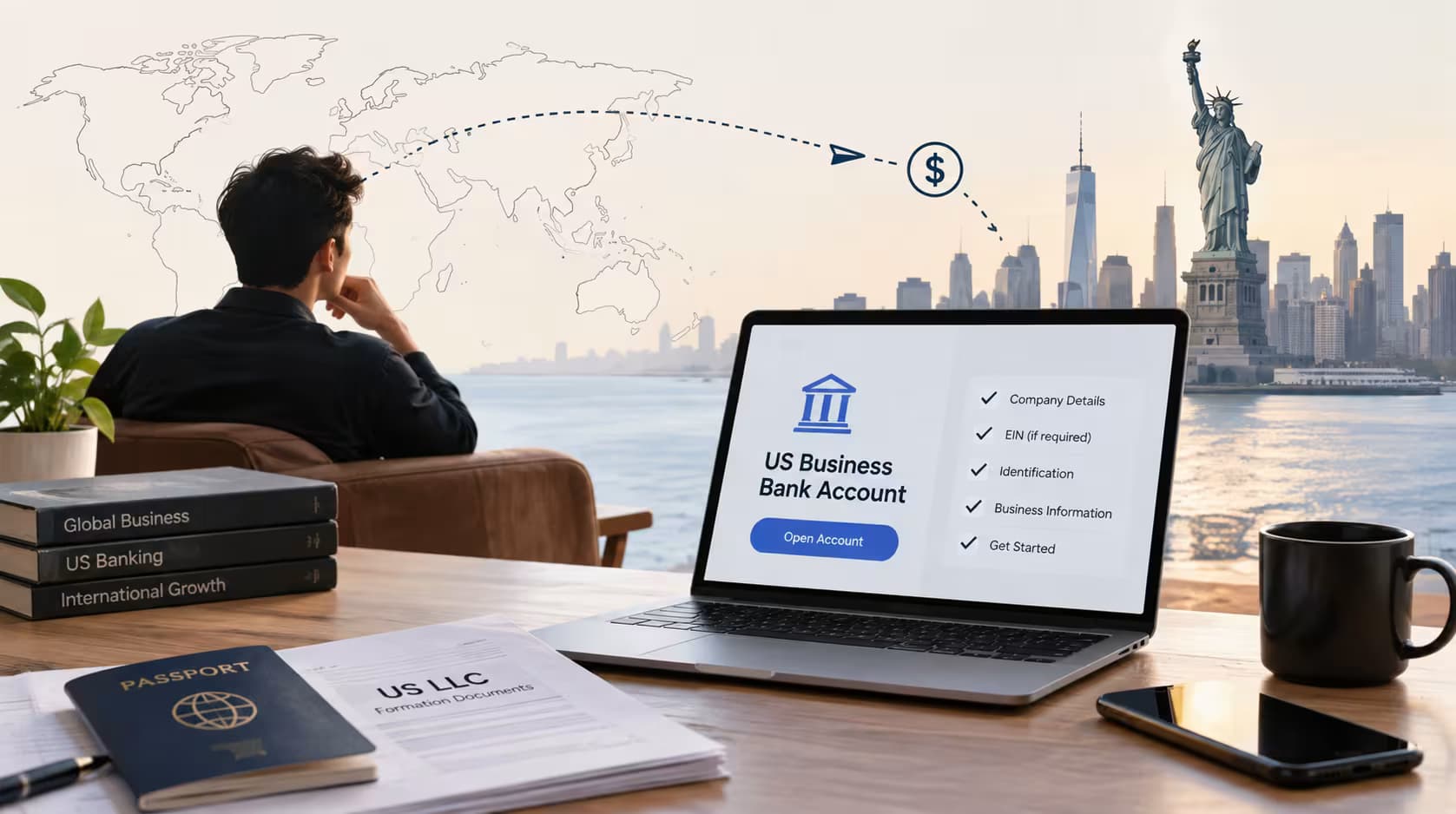
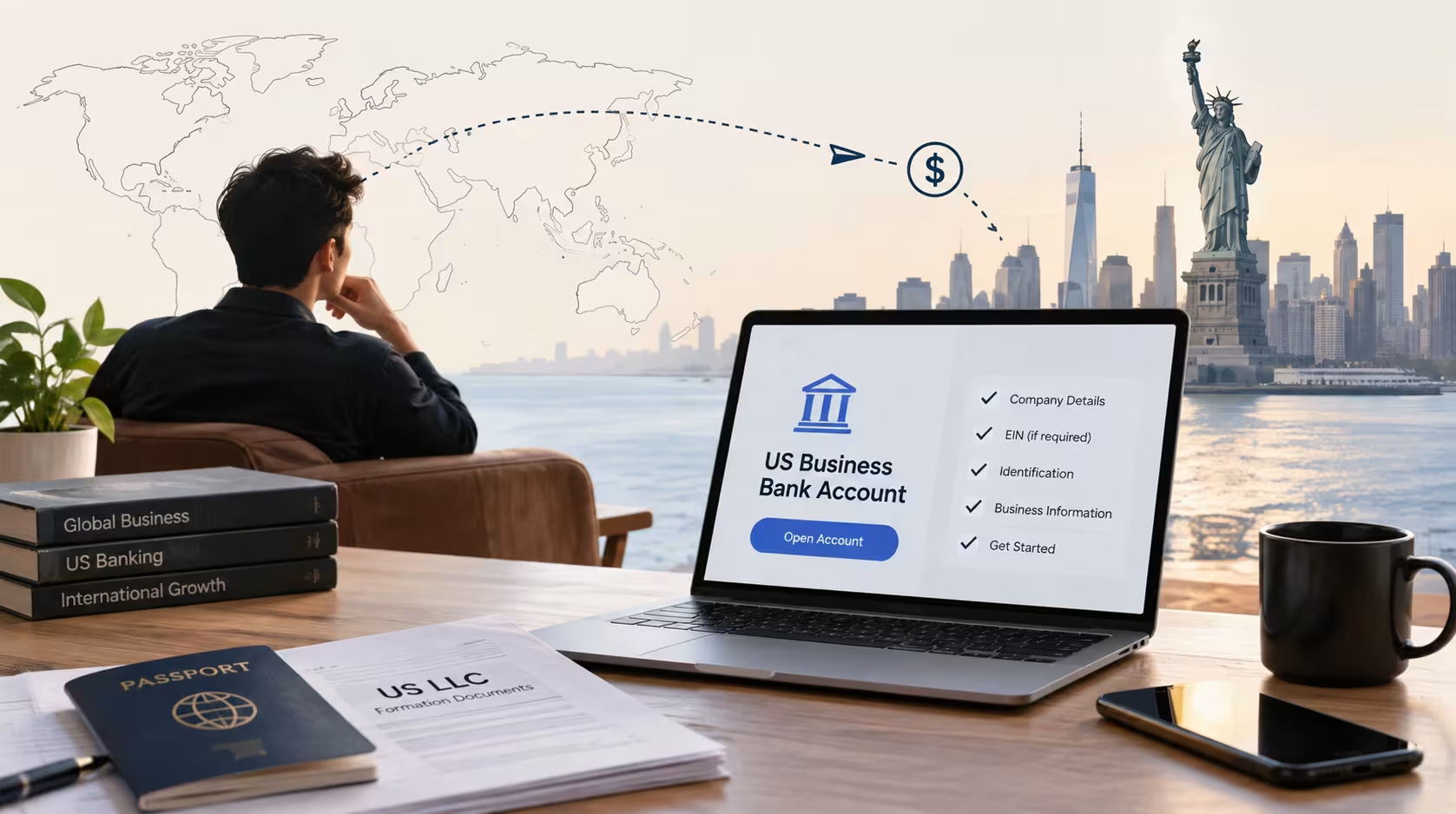
Before applying, prepare your LLC formation documents, EIN if required, passport or other accepted identification, ownership details, and address information. Requirements vary by provider. Some traditional US banks may restrict applications from people who live outside the country, while certain business-banking providers accept eligible non-US residents. An EIN or US company registration alone does not guarantee account approval. Always confirm the current eligibility criteria directly with the provider.
If you are still planning your company structure, our guide to US LLC formation for non-residents explains the broader formation process. Understanding the company's setup before applying for banking services can help you prepare the right information.
How to Open a US Business Bank Account as a Non-Resident
For international founders, understanding how to open a US business bank account starts with checking provider eligibility, preparing the right company documents, and confirming the account's fees and transaction options. The right provider depends on where you live, your LLC structure, and how your business receives and spends money.
If you are researching how to open a bank account for non-residents, start by confirming that the provider accepts applicants who live in your country. Then check whether it supports your type of LLC, which identification documents it accepts, whether it requires a US residential or business address, and whether an interview, video call, or branch visit is necessary.
Many founders ask, "Can I open a bank account online?" In some cases, yes. You may be able to open a business account online without visiting a branch, but online applications are not available to every applicant or every company. Review the eligibility conditions before submitting your documents, and make sure the information you provide accurately reflects your residence, company ownership, and business activities.
It is also important not to confuse an LLC's registered-agent address with your personal residential address or a genuine business operating address. A bank may request these details separately. Never use an address that misrepresents where you live or operate, and do not assume that a registered-agent service automatically provides an address acceptable for banking.
What Documents Should You Prepare?
The documents required depend on the bank or financial service provider, but applicants may be asked for formation records, an EIN confirmation, government-issued identification, ownership information, and details about the business's activities. Some providers may also ask about expected transaction volumes, customer locations, or the source of funds.
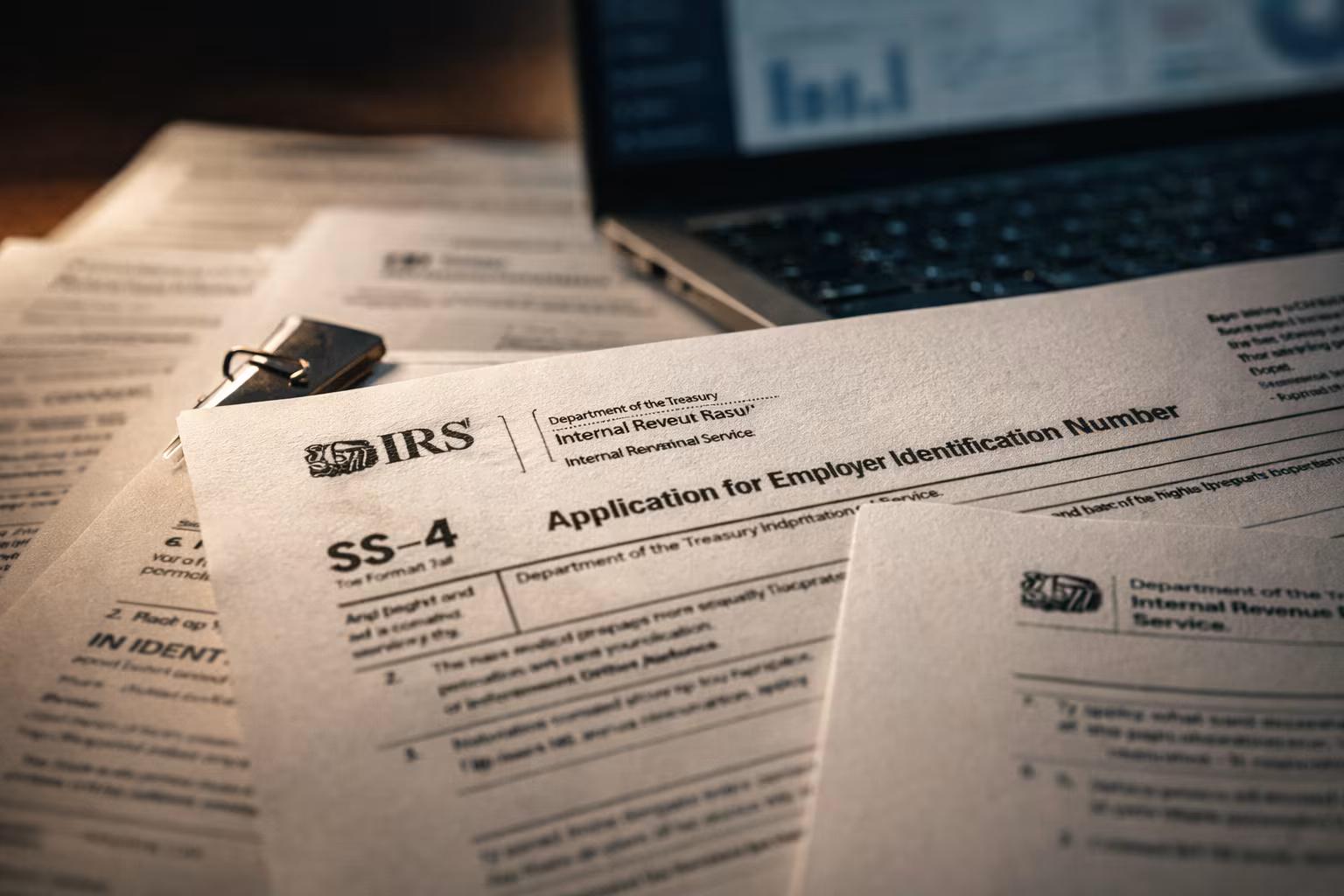
If you still need a federal tax identification number, our guide to getting a US EIN without an SSN explains the process for eligible non-US founders. Check your chosen provider's requirements before applying, since obtaining an EIN does not by itself establish banking eligibility.
Prepare clear and consistent information before starting an application. If the company name or address differs across documents, find out whether the difference needs to be explained or corrected. Providing complete and accurate information can make the review process easier, although it cannot guarantee approval.
How Much Does It Cost to Open a Bank Account?
Another common question is how much it costs to open a bank account. The answer depends on the provider and account type. Some accounts have no monthly maintenance fee, while others may require an opening deposit or charge for transfers, international payments, currency conversion, or additional services. Review the full fee schedule rather than judging an account by its advertised monthly price alone.
For an international business, the total cost of using an account may matter more than the monthly fee. For example, a provider with no maintenance charge may still charge for incoming wires, outgoing international transfers, or currency conversion. Compare the services you expect to use and calculate the likely costs based on your business's payment patterns.
Checking Account vs. Savings Account
If you are comparing a checking account vs. savings account, a checking account is generally designed for frequent transactions, while a savings account is intended primarily for holding money and may earn interest according to its terms. Different types of savings accounts offer different features, but a personal savings account is not automatically a substitute for a dedicated business account.
Some businesses use a transaction account for daily operations and another eligible account for reserves. Whether that setup makes sense depends on the provider's terms, the company's cash flow, and how the accounts can be used. Before opening additional accounts, make sure they serve a clear business purpose and fit your bookkeeping process.
Can You Have Two Checking Accounts?
In many cases, you can have two checking accounts, subject to each provider's eligibility rules and terms. A business may use separate accounts for operating expenses, reserves, or different financial workflows. For example, separating funds for planned expenses from everyday operating money may make financial management easier.
However, more accounts also mean more records to maintain and more transactions to reconcile. Choose an arrangement that supports your accounting process rather than opening multiple accounts without a clear reason.
Searches for a bank account for teens generally relate to youth or custodial banking products. Those accounts serve a different purpose from business accounts opened for an LLC, so make sure the product you select is designed for your company's needs.
Choosing a Banking Provider for Your US LLC
The right provider depends on how your company operates. A freelancer receiving international client payments may have different needs from an ecommerce company handling customer transactions or a software business paying for subscriptions and contractors. Consider supported countries, accepted business structures, transfer options, currency support, transaction limits, fees, customer service, and verification requirements.
Do not choose a provider based only on an advertisement or a claim that approval is guaranteed. Eligibility and compliance checks vary, and providers may change their policies. Confirm the current terms before submitting personal information or paying for a service.
It is also worth planning for the responsibilities that come with operating a company. Banking is not a replacement for bookkeeping, tax reporting, or state compliance. Our guide, Forming an LLC Is Easy. Compliance Is the Hard Part, explains why maintaining a US company requires attention beyond the initial registration.
Why Your LLC's Operating Documents Matter
Opening a bank account is one part of establishing your business, but keeping your company records organised is important throughout its life. An operating agreement can document ownership, management arrangements, and internal decision-making procedures, depending on the company's structure and applicable requirements.
For more information, read our guide to the US LLC operating agreement for non-residents. Keeping your formation records and other company documents organised can help you respond more efficiently when a bank, payment provider, or professional adviser requests information.
Company Formation Is Only the First Step
At FormLLC, I believe company formation should help entrepreneurs begin their journey, not leave them wondering what to do next. Your LLC provides a legal structure, but banking, payment processing, bookkeeping, and ongoing compliance are separate parts of operating a business. Each founder needs to understand which services are appropriate for their own circumstances.
For international founders, the goal is not simply to own a company in America. It is to build a business that can operate reliably across borders. That means choosing suitable financial services, keeping company information accurate, maintaining organised records, and understanding the requirements that apply to the business.
If you have already received your LLC approval, take the time to compare eligible providers and prepare your documents before applying. If you are still planning your setup, think about banking requirements alongside formation rather than waiting until the company is registered. The more clearly you understand your next steps, the easier it becomes to build a practical foundation for your business.
This article is for general informational purposes only and does not constitute legal, tax, or financial advice. Tousif Akram and FormLLC are not a law firm or CPA firm. Consult a licensed professional for advice specific to your situation.
Ready to Form Your US LLC?
Free 30-minute consultation with no obligation and no sales pressure.
Book Free Call