Registered Agent for LLC: A Guide for Non-US Owners

Tousif Akram
IRS CAA | Founder, FormLLC
He Had a Company in America. But He Didn't Have an Address in America.
One thing I have learned from helping international founders is that registering a company in the United States is only one part of starting a business there. After the formation documents arrive, practical questions often follow: Where will official documents be sent? Who will receive legal notices? And what happens if an important notice arrives while the business owner is living thousands of miles away?
This is where a registered agent for LLC becomes important. Many entrepreneurs who contact FormLLC want to build businesses that serve US customers, work with international clients, or access global opportunities. They may live in India, Pakistan, the UAE, or somewhere else entirely. Although eligible non-US residents can own US companies without living in America, their companies must still meet the legal requirements of the state where they are registered.
In this guide, I'll explain what a registered agent does, why international founders may need one, how state requirements differ, and what to consider before choosing a registered agent service.
What Is a Registered Agent for LLC?
If you are asking what is a registered agent for LLC, the answer is straightforward: a registered agent is a person or business designated to receive official legal documents, service of process, and certain government correspondence on behalf of a company. The agent provides a designated point of contact for important notices that require the company's attention.
A registered agent for LLC must meet the requirements of the state where the company is formed. In states such as Wyoming and Delaware, the agent generally needs a physical street address in that state and must be available during normal business hours to receive service of process. A registered agent's address is not automatically the company's operating office, and it does not replace every other address or compliance requirement your business may have.
For international founders, the distinction matters because owning a US company and maintaining a physical presence in the United States are not the same thing. A registered agent helps satisfy a specific state-level requirement, but the company owner remains responsible for understanding the other obligations that apply to the business.

Why International Founders Need a Registered Agent Service
If you live outside the United States, appointing a registered agent can help your company meet its state's registered-agent requirement without requiring you to maintain your own physical address in that state. The agent receives qualifying documents and forwards them according to the service agreement. This can be particularly useful when you are managing a company remotely from another country.
A professional registered agent service may also help keep your personal residential address off the registered-agent line in public state records. However, privacy depends on the state's filing rules and the other information your company must disclose. A registered agent does not automatically provide complete anonymity, a physical business office, a bank-approved address, or mail forwarding for all correspondence. Confirm which services are included before signing up.
What to Check Before Choosing a Registered Agent
When choosing a registered agent service, I recommend looking beyond the lowest advertised price. Check the annual renewal fee, document-scanning and forwarding process, customer support availability, notification procedures, and what happens if an important notice arrives while you are unavailable. It is also worth confirming how quickly documents are made accessible and whether additional fees apply to particular services.
A low-cost service is not necessarily a good deal if important correspondence gets overlooked. For a founder managing a company from overseas, dependable notifications and clear communication can be just as important as the initial registration price.
Does Your Registered Agent Depend on the State?
Yes. Your company's formation state determines which registered-agent requirements apply. For example, a Wyoming registered agent must meet Wyoming's applicable rules, so a Wyoming LLC registered agent should be eligible to serve a company registered in Wyoming. Similarly, a company formed in Delaware needs a registered agent that satisfies Delaware's requirements.
The same principle applies when you search for a New York registered agent, New Jersey registered agent, registered agent in Florida, registered agent in Texas, or California registered agent. The requirements and filing obligations vary by state, so your choice should reflect where the LLC is formed and where it conducts business.
If your company begins operating in another state, it may also need to register there as a foreign entity, depending on its activities and the applicable rules. That registration may create an additional registered-agent requirement in the second state. Forming an LLC in one state does not automatically satisfy every obligation associated with doing business elsewhere.
Before choosing a state or appointing an agent, understand why the company is being formed there and what ongoing responsibilities will follow. Our guide to forming a US LLC as a non-resident explains the broader considerations involved in setting up a US company from abroad.
Registered Agent vs. Business Address: What Is the Difference?
One common misunderstanding is assuming that a registered agent's address can be used for every business purpose. In reality, a registered-agent address is primarily used to receive legal documents and other official correspondence covered by the service. It is not necessarily the address where the company conducts its day-to-day operations.
Depending on the provider, a registered-agent service may not accept ordinary business mail, banking correspondence, deliveries, or packages. Banks, payment providers, and other institutions may also have separate address and verification requirements. Before using an address on a form, check what type of address is being requested and whether your provider permits that use.
This distinction is particularly important for international founders who want to manage a US company remotely. A registered agent can help meet a legal requirement, but it should not be treated as a universal solution for every address, banking, or business-presence question. If you are planning your company's internal structure, our US LLC operating agreement guide for non-residents covers another important part of organising your business.
What a Registered Agent Does Not Handle Automatically
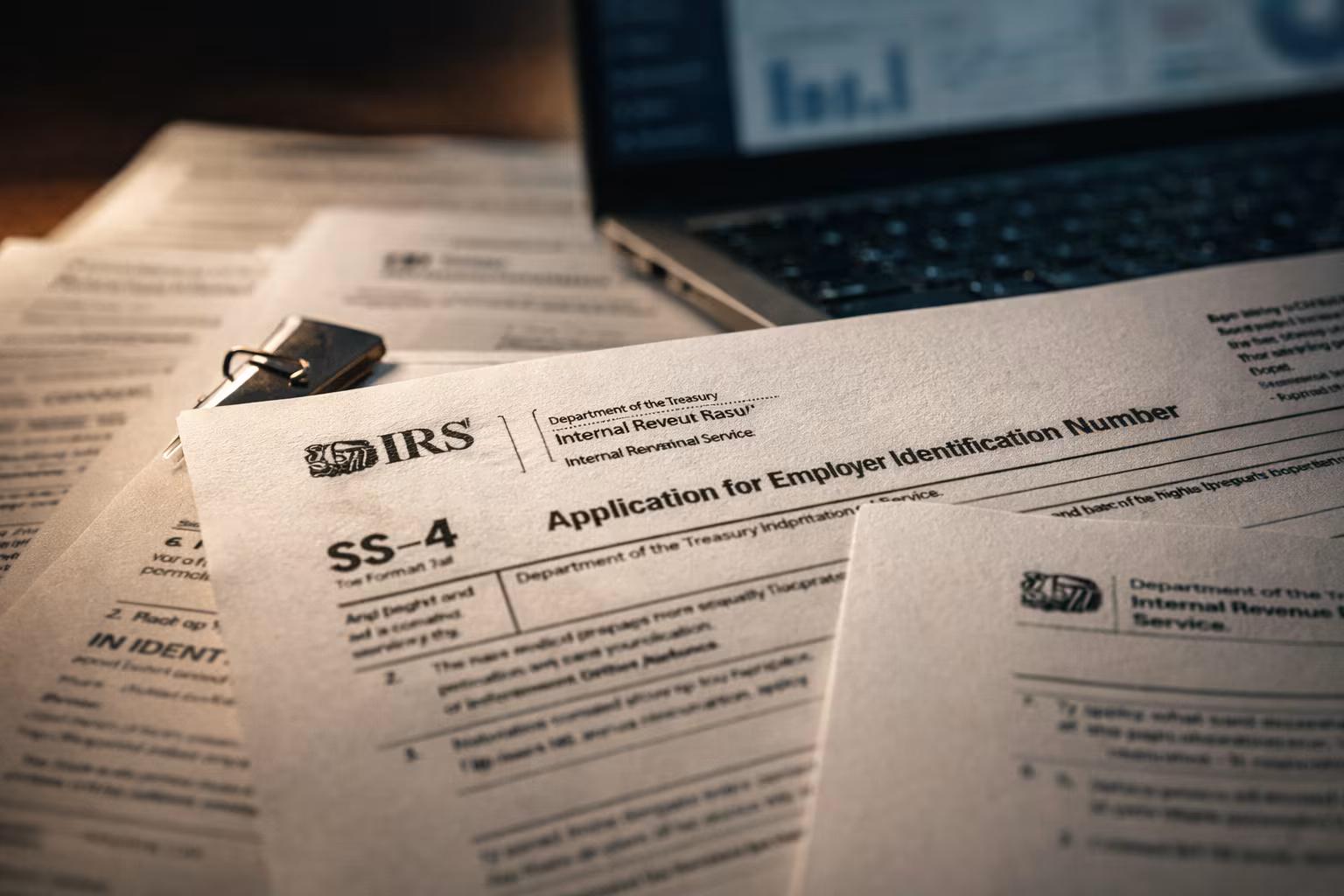
A registered agent generally receives the legal documents and official notices covered by the appointment. The service does not automatically manage every aspect of the company's compliance. Tax filings, annual reports, EIN applications, bookkeeping, banking, and other administrative responsibilities may need to be handled separately unless a provider explicitly offers additional services.
This is one reason I encourage founders to think beyond the initial formation process. Receiving company approval and appointing a registered agent are important steps, but maintaining a business requires ongoing attention to the rules that apply to its structure and activities.
For example, some companies have state annual-report obligations, while certain foreign-owned US LLCs may have federal information-reporting requirements depending on their circumstances. Owners should not assume that hiring a registered agent means all deadlines and filing responsibilities are covered. Understand which tasks the service handles and which remain your responsibility.
I discuss this broader issue in Forming an LLC Is Easy. Compliance Is the Hard Part, which explains why company formation is only the beginning of a business's ongoing responsibilities.
What I Tell Founders Before They Choose a Registered Agent
My advice is to treat the registered agent as part of your company's operating setup, not just another checkbox during formation. First, decide where to form your LLC based on your business needs. Then appoint an eligible agent in that state, review the service agreement, and understand exactly what the provider will do on your behalf.
I also recommend keeping your company documents organised, maintaining access to official correspondence, and ensuring that your contact information remains current. If your registered agent sends you a legal notice or government document, read it promptly and identify whether any response or deadline applies. An agent can receive a notice, but you should not assume that the agent will resolve the underlying matter for you.
At FormLLC, I believe support for international founders should mean more than helping someone receive formation documents. Entrepreneurs need to understand what comes after registration, how to manage their responsibilities, and which services actually fit their circumstances. The right setup depends on the company, the state, and the founder's business goals.
Building a US Company Without Living in America
You do not necessarily need to live in the United States to own a US company. But you do need to understand the responsibilities that come with owning and maintaining one. A registered agent is one important part of that foundation because it provides the state-required contact point for legal documents and qualifying official correspondence.
The most useful approach is to treat company formation as the beginning of the process rather than the finish line. Choose an appropriate state, appoint a qualified agent, understand what the service includes, and plan for the other requirements that apply to your business. With the right information and reliable processes, international founders can manage these responsibilities more confidently while focusing on serving customers and building their companies.
A registered agent may provide your company with a required address in its formation state, but understanding your responsibilities is what helps keep the business organised and prepared for what comes next.
This article is for general informational purposes only and does not constitute legal, tax, or financial advice. Tousif Akram and FormLLC are not a law firm or CPA firm. Consult a licensed professional for advice specific to your situation.
Ready to Form Your US LLC?
Free 30-minute consultation with no obligation and no sales pressure.
Book Free Call