Non Resident LLC US Benefits: What Actually Changes

Tousif Akram
IRS CAA | Founder, FormLLC
When founders ask me about non resident LLC US benefits, they usually have three goals: charge better prices, attract more international clients, and access payment services that support their businesses. These are reasonable goals, but a US LLC cannot guarantee all these results.
In my work helping international founders form US companies, I’ve learned that the real value goes beyond receiving formation documents. The important question is whether the company solves a practical problem. Before forming an LLC, founders should understand what can change, what remains the same, and what responsibilities come with maintaining a US company.
Non Resident LLC US Benefits: What Can Actually Change?
Pricing and Professional Positioning
Before forming a company, a freelancer may operate under their personal name. Contracts and invoices may also be issued as an individual. After forming a US LLC, they can generally conduct business through the company and present a more formal business identity.
This structure may help create a consistent brand and support a professional image when dealing with international customers. However, an LLC does not automatically justify higher prices. Clients pay more when they recognize the value of your expertise, service, and results. Your business still needs a strong offer and a clear reason for customers to pay more.
Access to International Clients
A US business entity can provide a formal structure for contracts, invoices, and business records. It may also meet a client's requirement to work with a registered company rather than an individual.
However, incorporation does not guarantee new clients. Your portfolio, communication, reliability, and ability to deliver results remain essential. A registration certificate cannot replace a strong reputation or a clear service offering.
Treat the LLC as a tool that supports your business, not as a shortcut to winning customers. Building trust and delivering consistent results remain central to long-term growth.
Banking and Payment Access
Banking and payment access are among the most common reasons founders explore non resident LLC US benefits. A US LLC and an Employer Identification Number (EIN) may allow you to apply for certain business financial services. Approval still depends on each provider's eligibility rules and verification process.
Providers may request company documents, ownership information, identification, business activity details, and an acceptable physical address. Requirements vary, so check them before paying for company formation. Having an LLC or EIN does not guarantee approval.
The practical lesson is simple: a US LLC may let you apply for a financial service, but it does not guarantee that your application will be approved. Read our guide on how to open a US bank account as a non-resident LLC owner to understand the application process and the requirements financial providers may impose.

The Benefits Go Beyond Appearances
A US LLC is a separate legal entity under state law. When properly maintained, it can provide limited-liability protection, subject to applicable law and the circumstances of the business. It can also establish a defined ownership structure and help organize contracts, finances, and company records.
For international founders, this structure may be useful when managing multiple customers or organizing business revenue. Its value depends on how the company operates and whether it solves a genuine business problem.
Before forming a company, consider why you need a US entity and how it fits your wider business plan. Our guide on how to start a US LLC from India explains the broader formation process for international founders.
Understanding Tax Treatment and Reporting Responsibilities
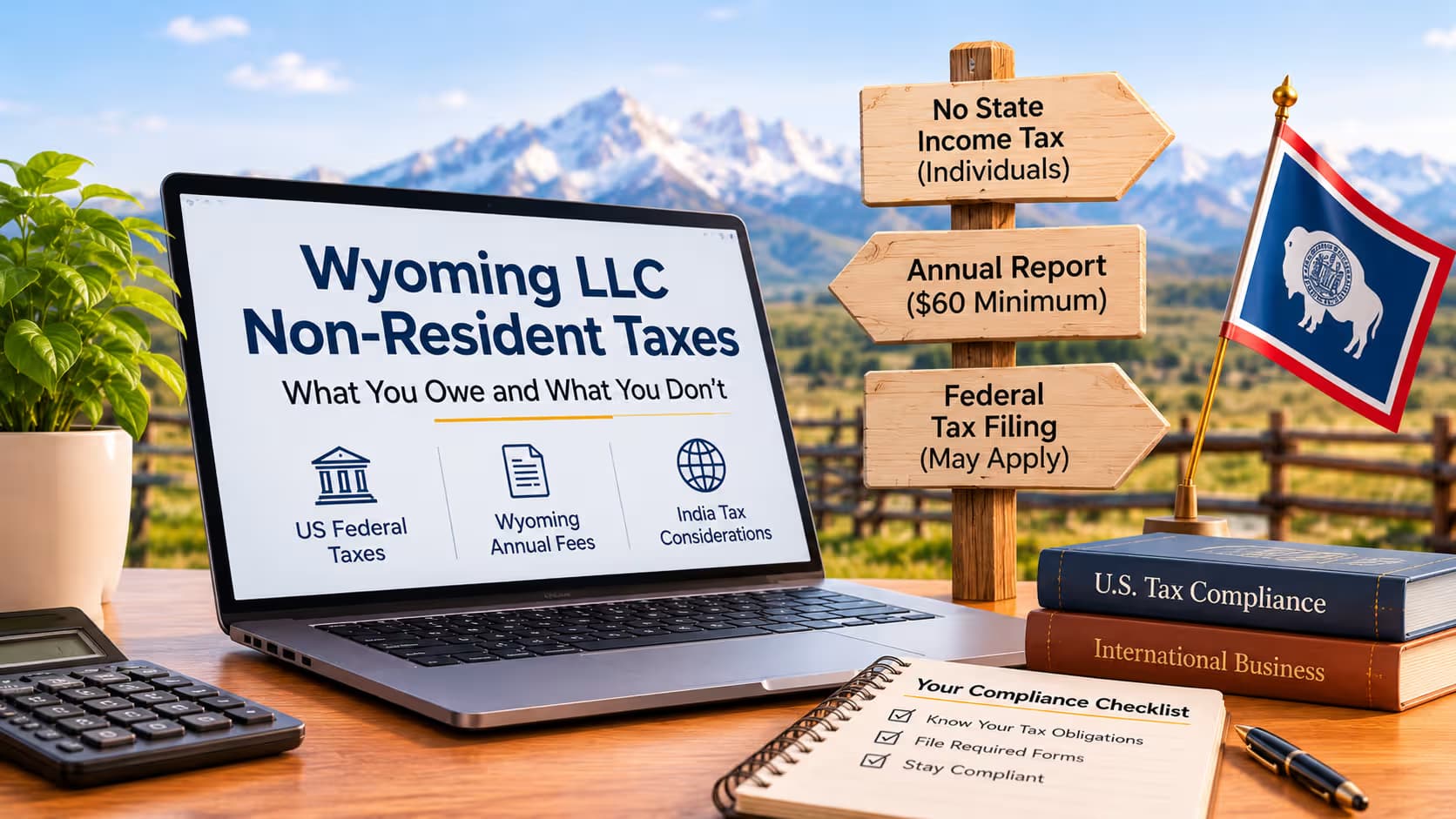
An LLC's legal structure is different from its federal tax classification. By default, a single-member LLC is generally treated as a disregarded entity for US federal income-tax purposes. A multi-member LLC is generally treated as a partnership unless it elects corporate taxation. The applicable treatment depends on the company's circumstances and any elections made.
A foreign-owned US LLC is not automatically tax-free or exempt from reporting requirements. Certain foreign-owned single-member LLCs may need to file Form 5472 with a pro forma Form 1120 when the relevant reporting rules apply. The requirements depend on the company's classification, ownership, and reportable transactions.
Do not assume every LLC has the same tax obligations. Check which federal and state requirements apply to your company. You should also consider whether your business activities create tax or reporting responsibilities in your country of residence.
For more detail, read our guide to Form 5472 for foreign-owned US LLCs. You can also explore what international founders should know about a tax-free US LLC. If your business involves cross-border income or complex ownership arrangements, seek advice from qualified professionals.
What Changed—and What Did Not
When I help founders evaluate an LLC, I encourage them to start with the problem they want to solve. Do they need a company to sign contracts? Are they trying to organize international revenue? Do they need to apply for a particular payment provider? Or do they expect the LLC itself to attract clients and increase revenue?
The first three goals may be achievable when the structure fits the business and the relevant providers accept the application. The last goal is not guaranteed. A company can help organize operations, but it cannot create demand or ensure commercial success.
Credibility works in a similar way. A registered company may present a more structured image, but long-term trust comes from delivering on promises, communicating clearly, and treating clients fairly. The benefits of a US LLC are strongest when the company supports a sound business strategy.
Additional Considerations for Founders in India
For founders based in India, the decision also requires an India-side review. Indian tax residency, ownership and funding arrangements, money transfers, and applicable overseas-investment or reporting rules may affect how the company should be established and maintained.
A US registration does not automatically remove Indian obligations. Before forming an LLC, consider how you will fund the company, receive income, transfer money, and maintain records. You should also understand which requirements may apply in both countries.
Cross-border tax and regulatory questions depend on individual circumstances. Consult qualified professionals who understand the relevant jurisdictions. Addressing these questions early can help you avoid unexpected costs and compliance problems.
When a US LLC Makes Sense for Non-Residents
A US LLC may make sense when you have a clear business reason for establishing one. You might need a US entity for international contracts, a suitable structure for your operations, or a long-term business plan that justifies the cost of maintaining the company.
Be cautious if your main motivation comes from claims that a US LLC automatically makes business easier. Before forming one, check whether your preferred financial providers accept your setup. Estimate the ongoing expenses and understand your US and home-country responsibilities.
Consider the total cost, not just the formation fee. State fees, registered-agent services, bookkeeping, tax preparation, and reporting requirements can continue even when revenue is low. If the LLC does not solve a specific problem, these expenses may outweigh its benefits.
How to Get More Value From a US LLC
Start With a Clear Business Objective
Write down what you expect the company to help you achieve. You may need a formal entity for international contracts, a way to organize business finances, or a structure for serving customers in multiple countries. A clear objective makes it easier to decide whether an LLC fits your situation.
Check Requirements Before Paying for Formation
Identify the banks and payment providers you plan to use. Review their eligibility requirements before spending money on registration. Prepare accurate company details, ownership information, and the documents needed for verification.
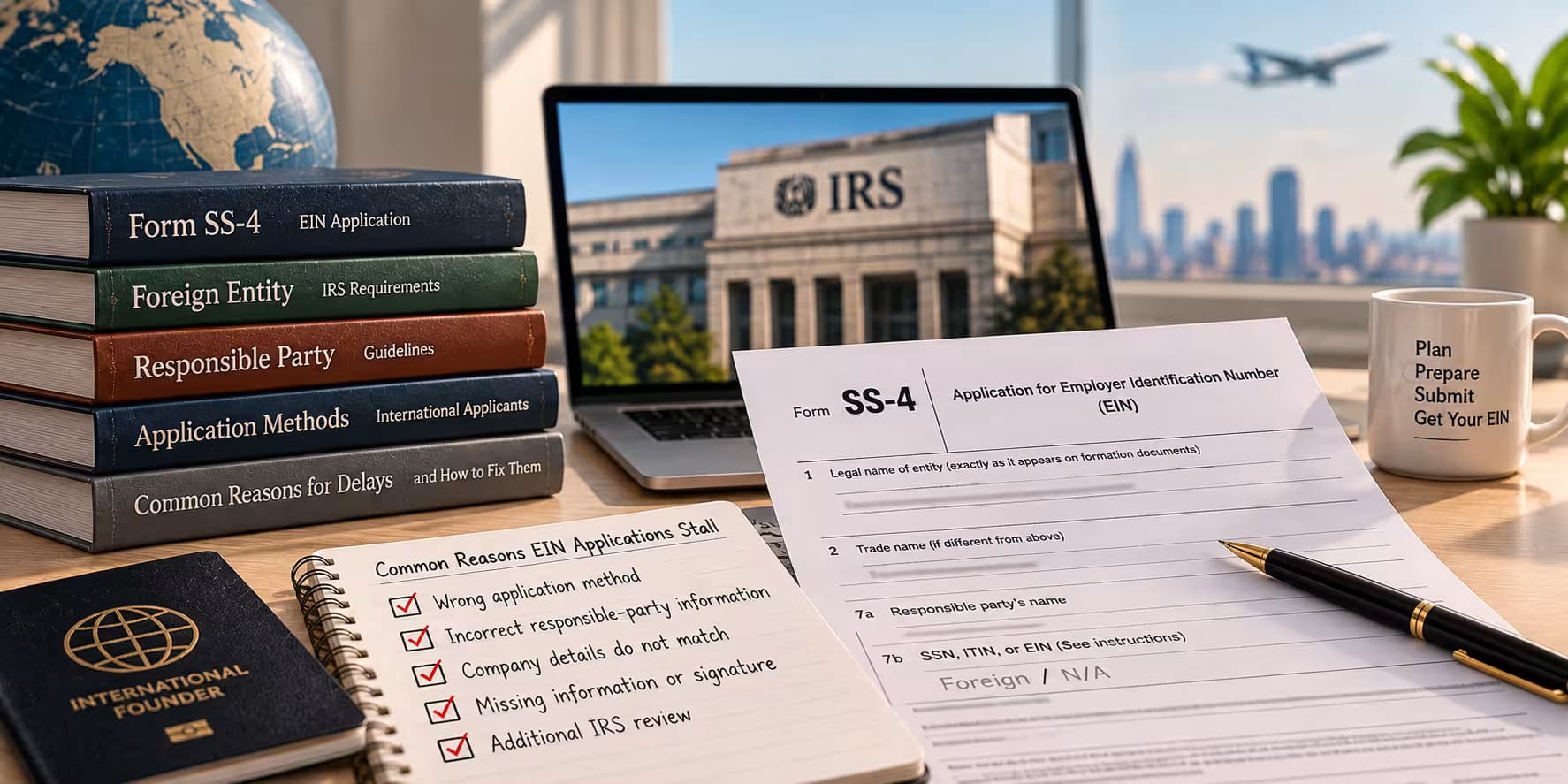
Do not assume that an EIN, registered-agent address, or US company registration will guarantee approval. Confirm the requirements that apply to your business model and location. If you still need a tax identification number, read our guide to getting a US EIN without an SSN.
Plan for Ongoing Compliance
Estimate the cost of maintaining your LLC. Include applicable state fees, registered-agent services, bookkeeping, tax preparation, and reporting responsibilities. Keep company and personal records organized, and plan for filing deadlines.
Good planning can make the business easier to manage as it grows. It can also help you avoid treating compliance as an afterthought. Our article on why forming an LLC is easy but compliance is the hard part explores why ongoing responsibilities deserve attention from the beginning.
My Advice to Non-Resident Founders
The real non resident LLC US benefits come from using the company for a clear business purpose. An LLC can provide a formal structure for contracts, ownership, and business operations. It may also help you apply for financial services suited to your business. The outcome depends on your circumstances, provider eligibility, and how well you manage the company.
Before forming one, confirm that your preferred payment provider accepts your setup. Estimate annual compliance costs and understand the US and home-country obligations that may apply. Then decide whether the potential benefits justify the ongoing work and expense.
My rule is simple: form a US LLC because it fits your business plan, not because you expect registration alone to increase prices, bring new clients, or guarantee banking access. The right structure can support growth, but lasting results still depend on the quality of your offer, your customer relationships, and how responsibly you run the business.
This article is for general informational purposes only and does not constitute legal, tax, or financial advice. Tousif Akram and FormLLC are not a law firm or CPA firm. Consult a licensed professional for advice specific to your situation.
Ready to Form Your US LLC?
Free 30-minute consultation with no obligation and no sales pressure.
Book Free Call