Global Business Infrastructure: Why Talent Is Everywhere

Tousif Akram
IRS CAA | Founder, FormLLC
I've always believed that global business infrastructure should be accessible to talented entrepreneurs, regardless of where they live.
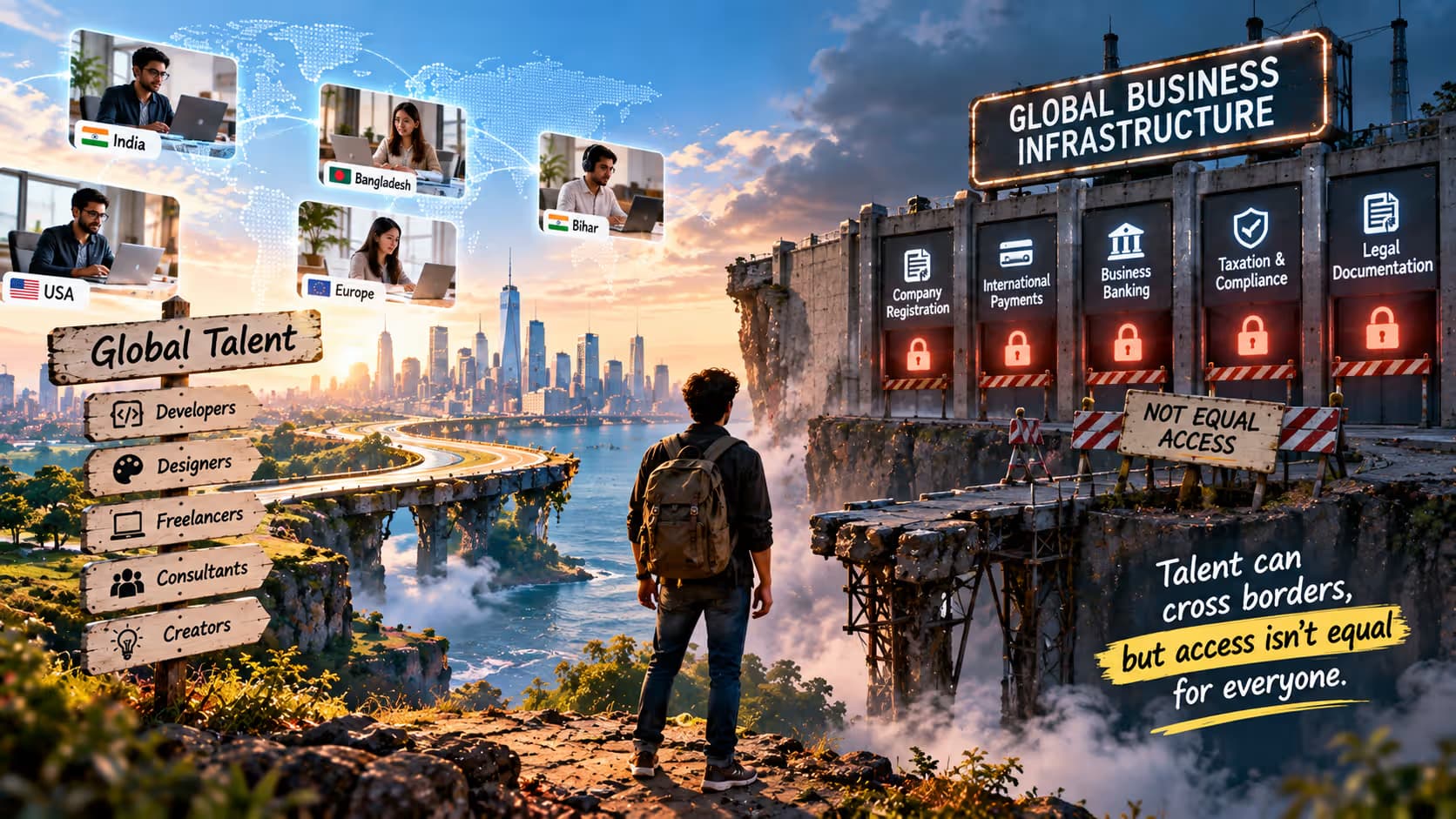
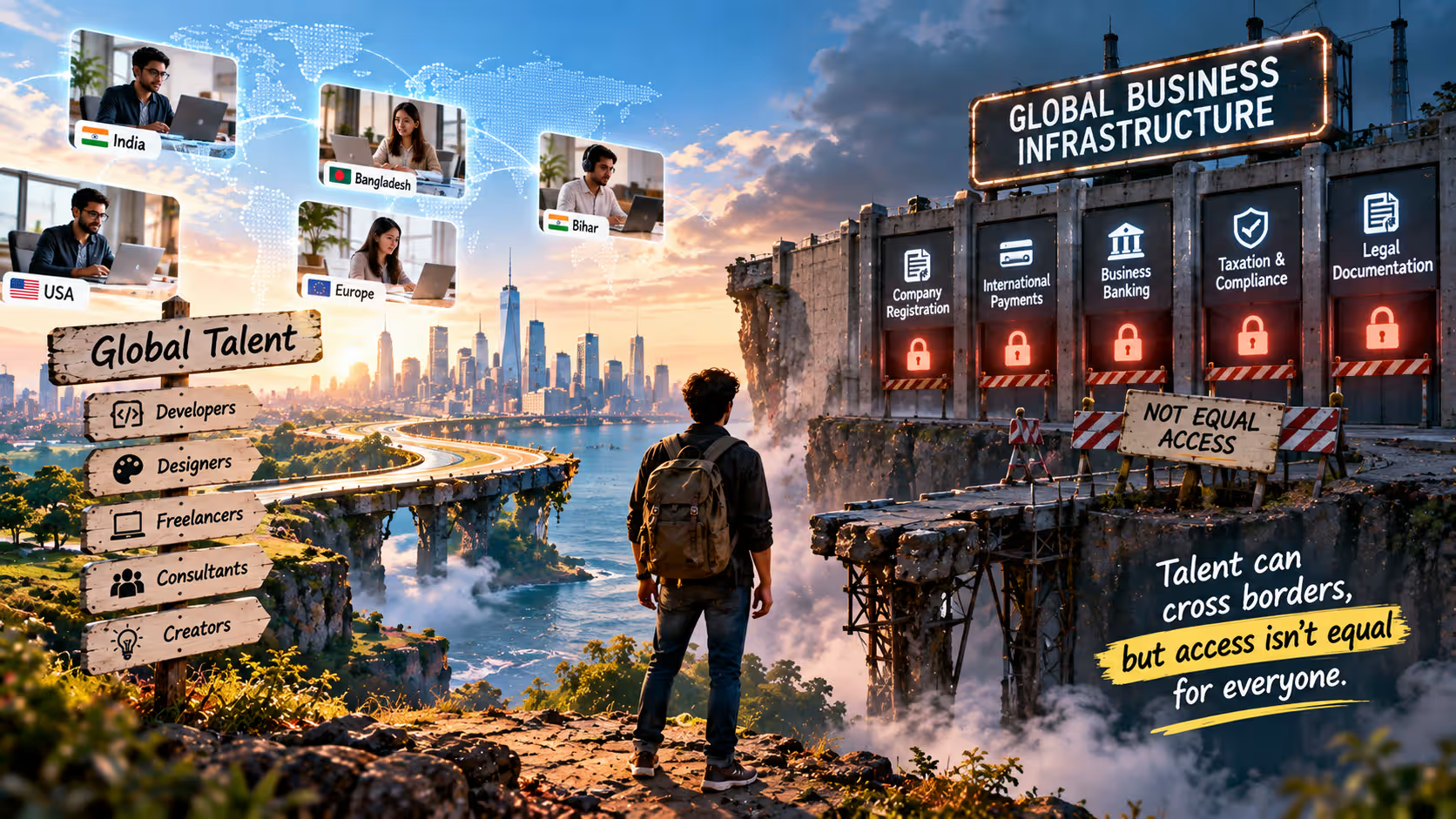
A developer in a small Indian town can build products for customers in the United States. A designer from Bangladesh can create work for a European agency. Someone in a village in Bihar can develop the skills to serve businesses around the world.
I've seen this through my own journey and through my work with entrepreneurs from different countries.
Yet there's an important gap that continues to concern me: talent can cross borders, but access to the infrastructure needed to operate a global business isn't equal for everyone.
The internet has made it possible to find customers in different countries. But finding international customers and building a business that can operate internationally are two different challenges.
How My Journey Changed the Way I See Global Opportunities
Starting Small and Discovering the International Market
When I started freelancing, I had very limited resources. I didn't have an international business network, a fancy office, or a detailed roadmap. Most of what I learned came through experience.
I focused on finding clients, understanding their needs, and delivering good work. I figured things out as I went along.
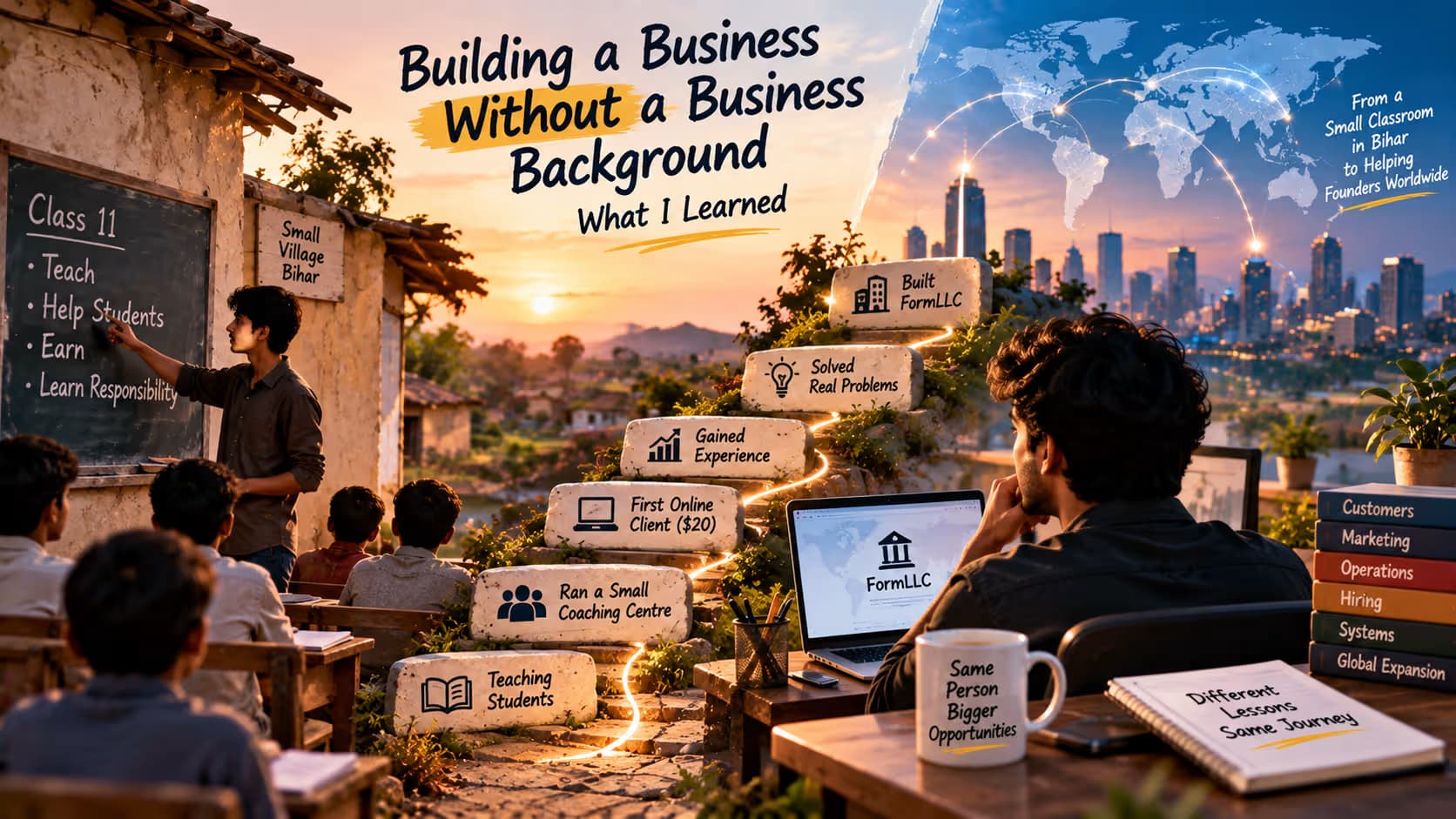
My first international payment was approximately $20 through Fiverr. Financially, it wasn't a significant amount, but it meant much more to me.
It showed me that the value of my work wasn't limited by where I lived.
That experience changed how I viewed opportunities. I realised the internet could connect me with customers and businesses I might never have met otherwise. I've shared more about this experience in my journey from Bihar to global entrepreneurship.
However, moving from freelancing to building a company taught me something important: access to international customers doesn't automatically mean access to the systems needed to run an international business.
The Gap Between Global Talent and Business Infrastructure
The internet has made it easier to discover opportunities, but it hasn't made every part of doing business equally accessible.
Imagine a founder with a great product, a capable team, and interested customers. They may still need to manage several practical requirements:
- Company registration and legal structure
- International payments and payment processing
- Business banking
- Taxation and compliance
- Contracts and business documentation
- Ongoing administrative responsibilities
Some entrepreneurs already have experienced advisors, established banking relationships, professional networks, and legal support.
Others have to figure everything out independently while building and managing their businesses.
The problem isn't always a lack of talent, ambition, or ideas. Sometimes, entrepreneurs simply don't have access to the right information, services, and infrastructure.
This is why I believe the conversation about global business opportunities needs to go beyond internet access. We also need to consider the practical systems that allow people to participate in international commerce.
Why Global Business Infrastructure Matters
Company Formation Is Only the Beginning
I began to understand this challenge more deeply through my work with FormLLC.
Over the years, I've interacted with entrepreneurs from different parts of the world. They include freelancers, software developers, ecommerce sellers, consultants, and agency owners.
Their businesses and ambitions are different, yet many of their questions are surprisingly similar:
- How can I establish a company in the United States?
- How can I collect payments from international customers?
- What should I know about business banking?
- What happens after my company is registered?
- How do I manage ongoing compliance?
These conversations helped me recognise that company formation is only one part of a much bigger challenge.
Founders aren't simply looking for a registration document. They want to build businesses that can operate professionally, serve international customers, and meet their responsibilities.
That's why understanding US company formation should be part of a broader conversation about building and managing an international business.
Registering a company may be an important step, but founders also need to understand what comes afterwards. Banking, tax responsibilities, state requirements, and business operations all deserve attention.
I've written more about this distinction in why customers want more than just a US LLC.
The Digital Divide Is Also a Business Infrastructure Divide
This isn't just a personal observation.
The World Bank's research on digital development highlights differences in connectivity, affordability, digital adoption, and infrastructure between countries. Its *Digital Progress and Trends Report* examines how digital technologies are being adopted and how gaps in access affect participation in the digital economy.
These differences matter because digital opportunities require more than the ability to create something.
Entrepreneurs also need practical ways to:
- Reach potential customers in other markets
- Receive and manage international payments
- Build professional relationships
- Access reliable business services
- Understand the requirements of operating across borders
The digital economy has created opportunities that previous generations could hardly imagine. But access to those opportunities still depends on several factors.
Technology, payment systems, professional networks, business services, and regulatory information all play a role. Together, they influence how easily someone can turn an idea into a sustainable business.
Having a good internet connection is valuable. Having the systems to operate professionally in international markets is another part of the journey.
What Entrepreneurs Need to Build Globally
Access to Reliable Information and Professional Services
I don't believe everyone should establish a US company or move their business to another country. That would be an oversimplification.
Every business has different requirements. Its legal structure, banking arrangements, and operating model should reflect its actual needs.
What I do believe is that founders should have access to clear information and reliable services when they decide to operate internationally.
A capable entrepreneur shouldn't have to spend months trying to understand complicated administrative processes without guidance. These processes should be explained clearly, with practical information about what is required and why.
Service providers also need to be realistic. They should help founders understand both the opportunities and the responsibilities involved.
For example, establishing a US company involves more than completing a registration application. Depending on the business and its circumstances, founders may also need to understand:
- Business banking options
- Tax and compliance responsibilities
- Registered agent requirements
- Ongoing state-level obligations
- The distinction between company registration and permission to work or live in a country
Straightforward information about these areas can help entrepreneurs make informed decisions. It can also help them avoid choosing a business structure that doesn't suit their needs.
For Indian entrepreneurs considering this route, my guide to starting a US LLC from India explains some of the practical steps and considerations involved.
For me, better global business infrastructure means making these essential processes easier to understand, not suggesting that every entrepreneur needs the same solution.
Infrastructure Goes Beyond Registration and Banking
Another important lesson I've learned is that business infrastructure isn't limited to company registration or banking.
It also includes:
- Access to professional advice
- Trustworthy service providers
- Reliable payment systems
- Business technology and education
- Professional and business networks
- Clear information about legal and regulatory requirements
Having a registered company doesn't automatically make a business globally ready.
Founders still need a product people want. They need reliable ways to reach customers and deliver their services. They also need to understand the rules in the markets where they operate.
When essential business infrastructure becomes more accessible, entrepreneurs can spend more time building their businesses.
They can focus on developing products, serving customers, hiring teams, and improving operations instead of struggling with avoidable administrative barriers.
That doesn't remove the need for planning or professional advice. It simply makes the process easier to navigate.
Why I Continue Building FormLLC
Making International Business Processes More Understandable
This is one of the reasons I continue building FormLLC.
Through our work, I want to make business formation and compliance easier to understand. I want to help entrepreneurs who are considering establishing a presence in the United States.
I see this as part of a much bigger opportunity: helping capable people participate in global business, regardless of where they started.
Consider a few examples:
- A freelancer exploring international opportunities.
- A software developer building a global SaaS product.
- An ecommerce entrepreneur entering new markets.
- A consultant looking to serve customers outside their home country.
Each may need different support. But access to the right information and infrastructure can make the journey easier to understand.
I know what it feels like to start with limited resources. I didn't have an established network or a clear roadmap.
I also understand how a small international opportunity can change someone's perspective. A first international client, an overseas payment, or the first step towards building a company can open up new possibilities.
My experience has shaped how I think about the role of business services. They should help entrepreneurs understand their options and responsibilities so they can make decisions based on their actual needs.
Helping Founders Understand What Comes After Registration
One thing I want more founders to recognise is that company formation isn't the finish line.
After registration, there may be banking arrangements, tax filings, compliance deadlines, payment processing decisions, and other operational requirements to consider.
The exact responsibilities depend on the company's structure, activities, and relevant jurisdictions.
For example, opening a business bank account can involve its own documentation and eligibility requirements. I've explained some of these considerations in my guide to opening a US bank account as a non-resident LLC owner.
This is why I believe useful guidance should explain the full journey rather than focus only on the registration process.
The broader goal is to help founders approach international business with realistic expectations and better information.
The Future of Global Business Should Be More Accessible
Talent Is Everywhere, but Global Business Infrastructure Must Catch Up
I often return to one simple thought: the next successful global company doesn't have to come from a major business hub.
It could emerge from a small town, a developing economy, or a founder without access to a traditional entrepreneurial network.
The world isn't short of talented people. There are people with ideas, ambition, and the willingness to build something meaningful.
What we need to keep improving is the infrastructure that helps them turn those ideas into sustainable businesses.
Making business infrastructure more accessible won't remove every challenge of international expansion. Countries will continue to have different regulations, financial systems, and business requirements.
But better access to reliable information, professional services, and digital business tools can reduce unnecessary barriers.
I believe talent is already global. Our business infrastructure needs to catch up.
When more entrepreneurs can participate in the global economy, the benefits can extend beyond individual businesses. They can create jobs, encourage innovation, connect markets, and open doors for people who might otherwise never get the chance to build internationally.
For me, this is the bigger opportunity: making it easier for capable people to build, operate, and grow businesses across borders.
Frequently Asked Questions
What Does Global Business Infrastructure Mean?
Global business infrastructure refers to the systems, services, and resources that help entrepreneurs establish, operate, and expand businesses across borders.
It includes company registration, banking, international payments, taxation, compliance, technology, professional services, and business networks.
Why Is Business Infrastructure Important for Global Entrepreneurs?
Business infrastructure helps entrepreneurs manage the practical requirements of serving international customers.
Without reliable systems and clear information, even talented founders with promising products can struggle to establish and manage businesses across borders.
Can Entrepreneurs from India Start a US Company?
Yes. Entrepreneurs from India can generally establish certain types of US business entities without being US residents or citizens.
However, the right structure depends on individual circumstances. Banking access, tax responsibilities, and compliance requirements also need careful consideration.
Founders should understand these obligations before proceeding. A practical starting point is to read a US LLC formation guide for non-residents.
Is Registering a US Company Enough to Operate a Global Business?
No. Company registration is only one part of establishing an international business.
Entrepreneurs also need to consider banking, payment processing, taxation, compliance, customer acquisition, and the regulations that apply to their business activities and markets.
What Challenges Do Entrepreneurs Face When Building International Businesses?
Common challenges include:
- Accessing international payment systems
- Understanding foreign regulations
- Opening business bank accounts
- Managing tax obligations
- Finding reliable professional support
- Navigating company formation requirements
These challenges can make international expansion difficult, especially for first-time founders.
How Can Better Business Infrastructure Create Global Opportunities?
Accessible business infrastructure can reduce administrative barriers and make international processes easier to understand.
It allows entrepreneurs to focus on developing products, serving customers, hiring teams, and entering new markets. It can also help talented individuals participate in the global economy, regardless of where they live.
This article is for general informational purposes only and does not constitute legal, tax, or financial advice. Tousif Akram and FormLLC are not a law firm or CPA firm. Consult a licensed professional for advice specific to your situation.
Ready to Form Your US LLC?
Free 30-minute consultation with no obligation and no sales pressure.
Book Free Call